




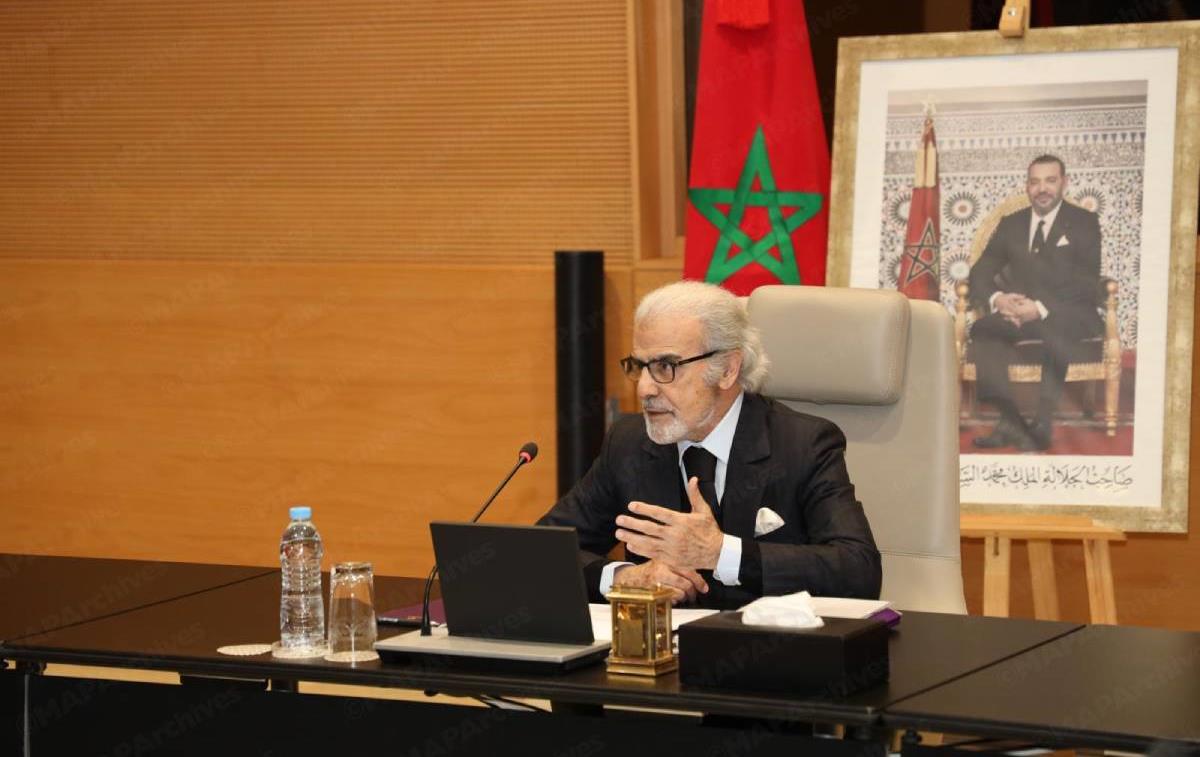
Abdellatif Jouahri, Governor of Bank Al-Maghrib (BAM), said on Tuesday in Rabat that the legal framework currently being prepared for crypto-assets in Morocco is designed to regulate the ecosystem while preserving the momentum of financial innovation that could emerge from it.
Speaking at a press conference following the final meeting of BAM’s Board for the year, Jouahri stated: “We sought to frame the use of crypto-assets without curbing the innovation that can arise from this ecosystem.”
The legal framework, which is now in the adoption phase, aligns with recent G20 recommendations while taking into account the risks associated with these new financial assets. According to Jouahri, the approach aims to strike a balance between necessary regulation and the encouragement of financial innovation.
The draft legislation has been developed with technical support from the International Monetary Fund (IMF) and the World Bank, in order to ensure a regulated and secure environment for economic stakeholders. The BAM Governor also stressed that the framework was shaped through extensive consultations with national and international institutions, as well as private-sector stakeholders.
“We involved all relevant stakeholders in the development of this framework. This approach helps ensure optimal adoption and minimise grey areas,” he added.
Read also | Bank Al-Maghrib fine-tunes its strategy amid an unstable global economic environment
With this initiative, as the Governor of Bank Al-Maghrib recalled, Morocco is positioning itself among the pioneers in the developing world when it comes to establishing a clear and comprehensive regulatory framework for crypto-assets. The move is intended to prepare the Kingdom for the economic and financial challenges posed by the digitalisation of monetary systems.
On a separate issue, Jouahri pointed to the growing appetite for the secondary market in distressed assets, following the success of the first securitisation transaction involving non-performing loans, worth 400 million dirhams, carried out by a Moroccan bank.
This development, he said, should help structure and energise the market for non-performing loans, supported by a legal framework that has now been finalised. The legislation, which is currently undergoing adoption, will go through several stages, including a public consultation and approval by the government and parliament.
“The secondary market for distressed assets is a major lever for strengthening banks’ solvency and supporting the national economy,” the BAM Governor explained. “By enabling active management of non-performing loans, this market will help streamline financial institutions’ balance sheets and enhance their capacity to operate.”
Finally, with regard to monetary policy, BAM’s Board decided to cut the key interest rate by 25 basis points, bringing it down to 2.5%. The decision, taken in response to inflation trends and price stability, also reflects international uncertainties weighing on medium-term economic prospects.