


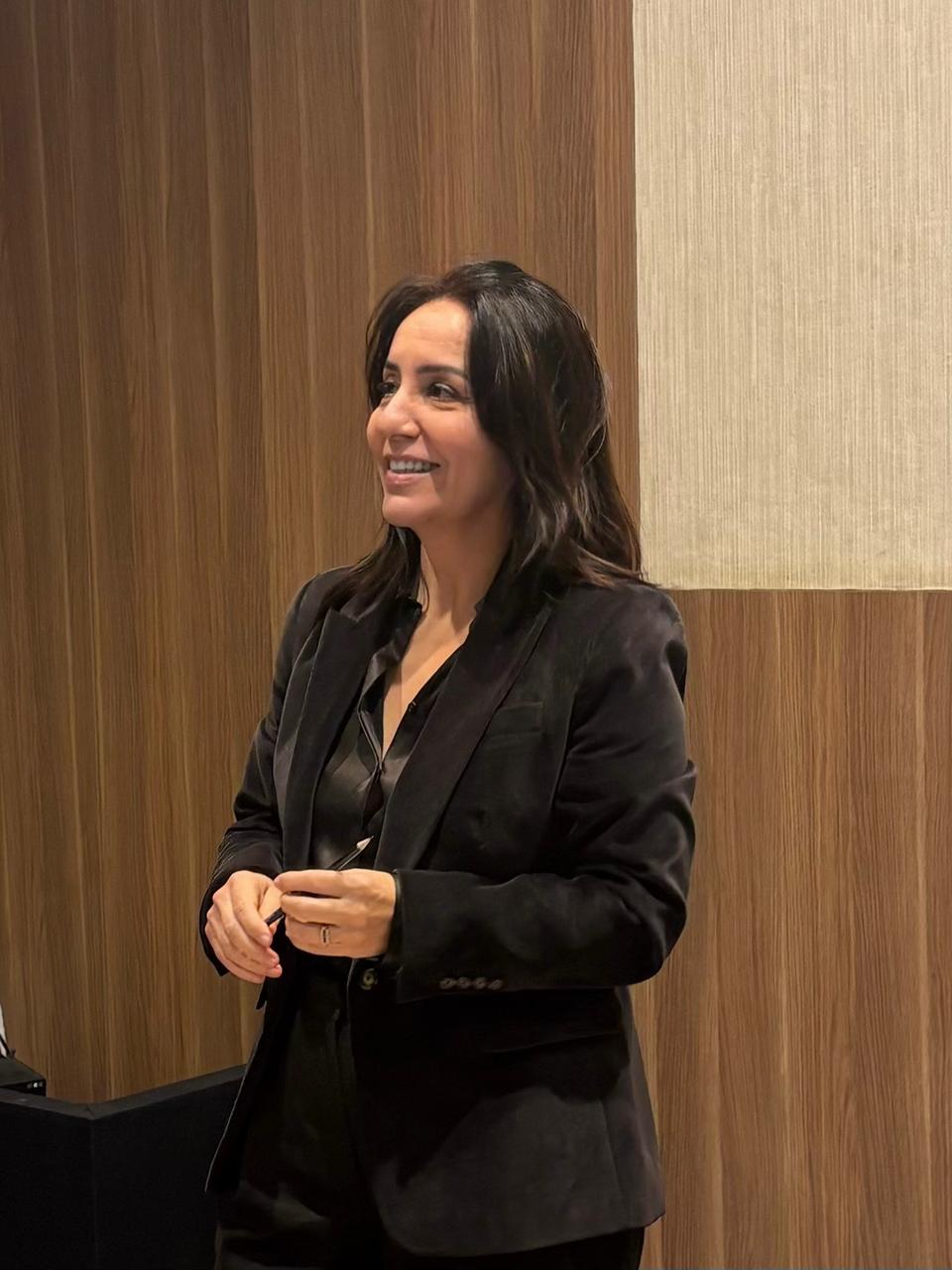
In a Moroccan ecosystem brimming with potential, collaboration between universities and businesses remains a key—but still underexploited—driver of innovation. Asmae DAKKI, Director of Transformation, Skills, and Communication at SERVIER, analyzes the structural barriers and concrete opportunities to strengthen this partnership, essential for the Kingdom’s competitiveness.
Morocco has multiplied initiatives in industrial research and innovation, yet the link between academic research and industry remains fragile. For Asmae DAKKI, this lack of collaboration stems from a gap between theoretical education and companies’ practical needs, a lack of motivation among stakeholders, and R&D that is often limited to adapting existing technologies. She shares her insights on the challenges and prospects for more effective R&D in Morocco.
What do you see as the main obstacles to collaboration between universities and businesses in Morocco today?
At first glance, the gap between university curricula and business expectations comes to mind. Today, education remains highly theoretical, whereas the market demands practical and operational skills. In my experience in France, training included a significant amount of practical work and structured research.
Perhaps this approach should be integrated into a national vision, for instance by combining internships with studies and research. This would bring students closer to market realities and emerging professions, enabling a stronger connection between theory and practice. On the ground, students would see what actually works and what doesn’t, making their profiles more pragmatic and attractive to employers.
Why do academic-industry partnerships still struggle to generate real economic value?
This issue is directly linked to the gap I mentioned. Even when collaborations exist, they remain limited: only 25–30% of companies work with universities. The challenge is that many projects stay theoretical or administrative.
Take UM6P, LUIER, or Mohamed V University, for example: changes are happening, but are they tangible? As a Director of Transformation, I often notice a disconnect between vision and implementation. The ecosystem is not always ready, and resistance to change is strong. To succeed, it is essential to convince stakeholders, as people are at the heart of any innovation and transformation process.
Do Morocco’s emerging R&D hubs signal real change or are their impacts still limited?
They show potential for change, but the actual impact depends on their ability to build a functional ecosystem and mobilize stakeholders. Without motivated and engaged participants, initiatives remain theoretical.
In the pharmaceutical industry, Sotema’s medicinal cannabis project illustrates this limitation: without concrete engagement and strong partnerships, tangible results are slow to appear.
Do multinational R&D activities in Morocco truly benefit the local economy, or mostly adapt existing technologies?
Often, multinationals prioritize adapting existing technologies over developing entirely new solutions. This approach is faster and less risky, but it can limit true innovation and local economic impact.
Are Moroccan companies ready to invest more in R&D for long-term competitiveness?
To generate real impact, practical training, human involvement, ecosystem creation, and adaptation to local context must be combined. Without these elements, even the most significant financial or technological resources cannot produce real value. The key challenge is to encourage companies and institutions to collaborate and invest in concrete, sustainable initiatives.