



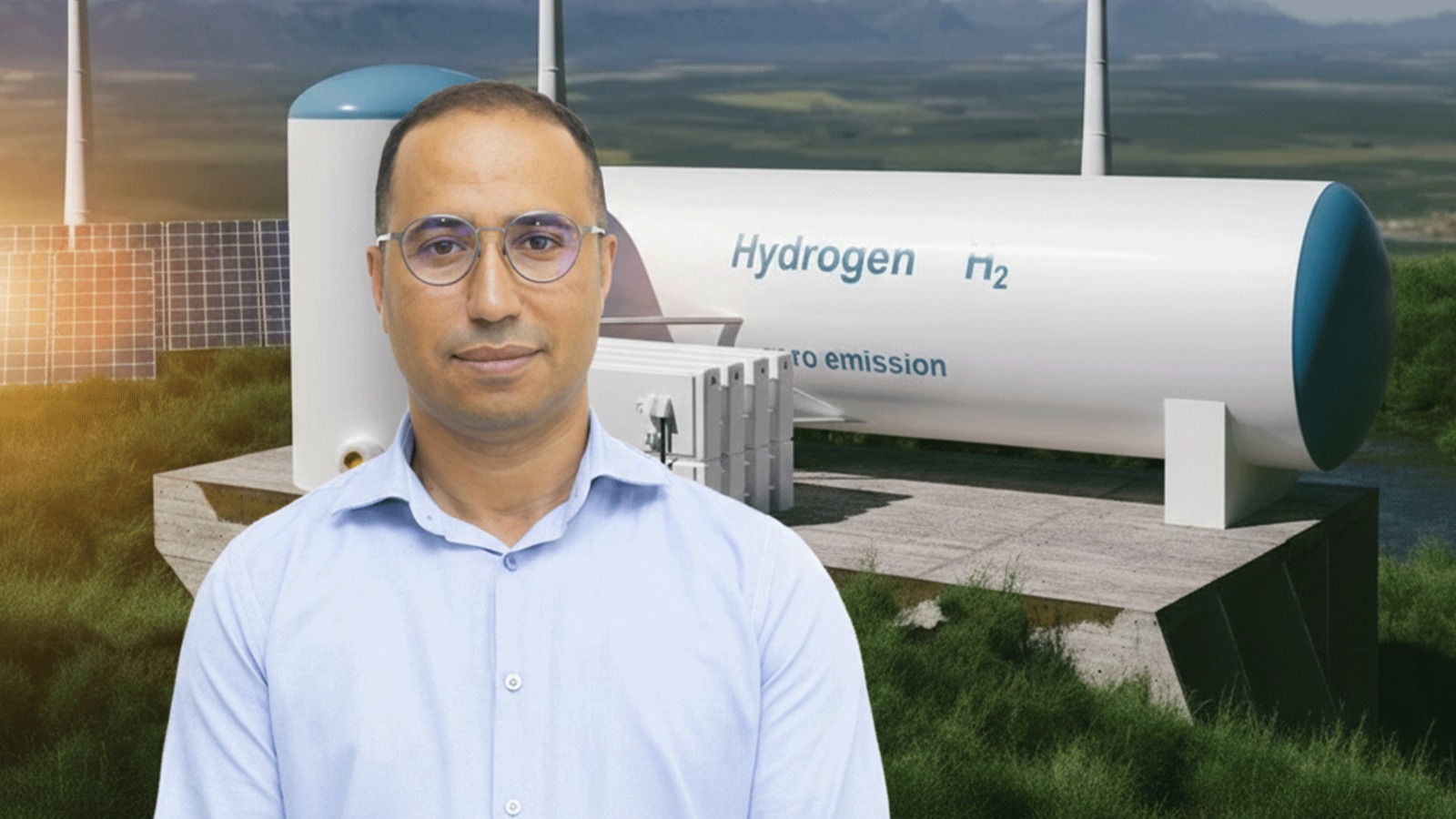
Facing international climate pressures and the European carbon border adjustment mechanism, Morocco is accelerating its industrial decarbonization strategy. From CCUS and Power-to-X technologies to synthetic fuels and carbon credits, Prof. Abdelghafour ZAABOUT, CCUS and industrial decarbonization expert at UM6P, explains the sectors ready for change, the challenges to overcome, and the levers to position Morocco as a regional carbon hub.
In sectors like cement, steel, or chemicals, which CCUS technology seems most industrially credible today, and when can large-scale deployment be expected?
CCUS technologies are particularly relevant for hard-to-abate industries such as cement, steel, and chemicals, as well as some energy and aviation segments where conventional decarbonization is technically difficult.
Amine-based capture processes are currently the most mature and industrially proven, but they remain costly and under-deployed. Large-scale deployment will depend on structured markets and financial support mechanisms, as already practiced in Europe through innovation funds.
In the medium term, Morocco can expect first industrial-scale projects, especially via subsidiaries of multinational companies. These will serve as initial industrial deployments to mitigate technical and financial risks.
Which Moroccan industrial sectors are actually ready to integrate CCUS or Power-to-X, and what levers remain to move from pilot to full-scale industrial projects?
Several Moroccan sectors show real interest in CCUS: cement, metallurgy, chemical industries, mines—especially phosphate—and also ports and certain energy infrastructures.
Modern thermal power plants also represent an opportunity: with a long remaining operational life, CCUS can decarbonize them while providing stable electricity production, essential to compensate for renewable intermittency.
Key levers to move from pilot to industrial scale include clear regulation, structured financing, and developing an ecosystem of expertise. International pressure, notably via the European Carbon Border Adjustment Mechanism (CBAM), is pushing Moroccan industries to prepare actively.
How can Morocco position itself as a regional hub for carbon management, based on your European experience and your role in the first CCUS Forum Africa?
Morocco has unique advantages: abundant and low-cost renewable electricity, an industry capable of supplying CO₂, and direct air capture potential for producing negative carbon and high-quality carbon removal credits.
The CCUS–Power-to-X synergy is strategic: captured CO₂ can be combined with green hydrogen to produce methanol, synthetic fuels, or sustainable kerosene, aligned with international aviation and maritime regulations.
With integrated value chains and proximity to Europe, Morocco can become a major supplier of green chemicals and synthetic fuels while remaining cost-competitive. This goes far beyond institutional announcements—it is a concrete industrial and economic strategy.