




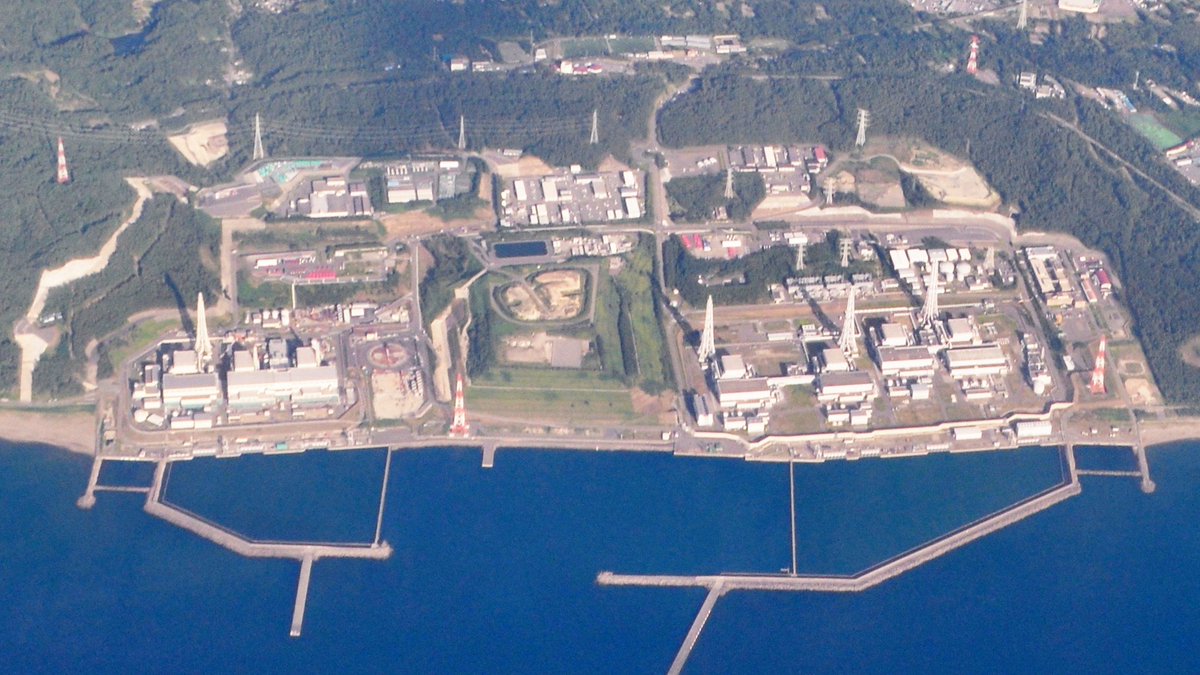
Japan on Monday restarted a reactor at the Kashiwazaki-Kariwa nuclear power plant, the most powerful in the world, located in the country’s central-western region, after a first attempt in January was halted due to a technical malfunction, according to its operator.
Tokyo Electric Power Company said it withdrew the control rods from reactor number 6 at 14:00, allowing the unit to be brought back online. Restart operations at the plant, which has been shut down since the 2011 Fukushima disaster, began on January 21 but were suspended just hours later after an alarm was triggered.
According to plant director Takeyuki Inagaki, the alarm was caused by a configuration error that detected slight variations in electrical current in a cable, although these remained within safe limits. The alarm settings have since been adjusted, enabling the reactor to be restarted under safe conditions.
Tepco added that commercial operations could begin as early as March 18. Spanning nearly 400 hectares along the Sea of Japan coast facing the Korean Peninsula, Kashiwazaki-Kariwa marks Tepco’s first nuclear plant restart since Fukushima Daiichi.
The restart remains controversial in Japan. A survey conducted in September by the Niigata prefectural authorities showed that around 60 percent of residents oppose the move, while 37 percent are in favor.