




Moroccan imports rose by 15.3% in the first half of 2026 to reach MAD 458.778 billion, compared with MAD 260.397 billion in exports, resulting in a trade deficit of nearly MAD 198.4 billion.
Morocco’s foreign trade dynamics remain marked by much faster growth in imports than exports. Between January and June 2026, external purchases increased by MAD 60.891 billion year-on-year, while exports gained around MAD 23 billion. The gap between the two growth rates explains the widening trade deficit.
Imports reached MAD 458.778 billion, compared with MAD 397.887 billion at the end of June 2025. Exports amounted to MAD 260.397 billion, compared with approximately MAD 237.3 billion a year earlier. The trade deficit therefore reached MAD 198.381 billion, an increase of 23.5%.
The automotive industry remains Morocco’s leading export sector, with exports of MAD 93.7 billion, up 17.4%. It is followed by other industrial and agri-food sectors.
However, Morocco still needs to import substantial quantities of capital goods required for productive investment. Part of the increase in imports therefore corresponds to machinery, equipment and inputs intended for new industrial capacities. Energy prices are also an important factor, as dependence on energy imports continues to weigh on the trade balance.
The industrial strategy is specifically aimed at increasing local production, developing domestic suppliers and raising the value added of exports. The trade deficit should therefore not be viewed solely as a weakness: it also reflects a phase of investment and economic capacity-building.
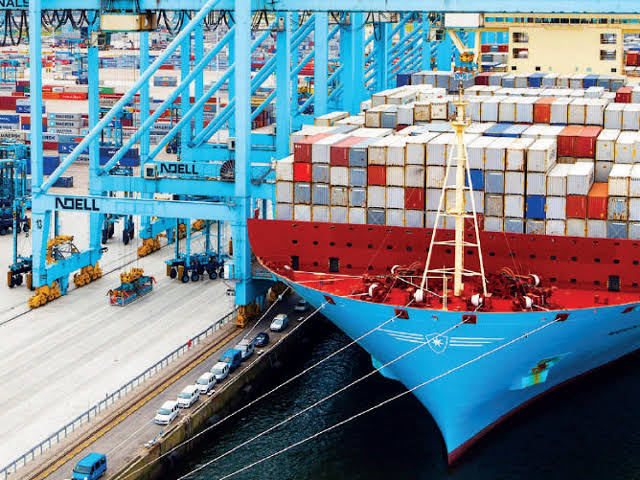
The key indicator to monitor will be the ability of new investments to generate additional exports. Morocco now benefits from a major logistics advantage through Tanger Med, a competitive automotive industry and exceptional proximity to the European market.