




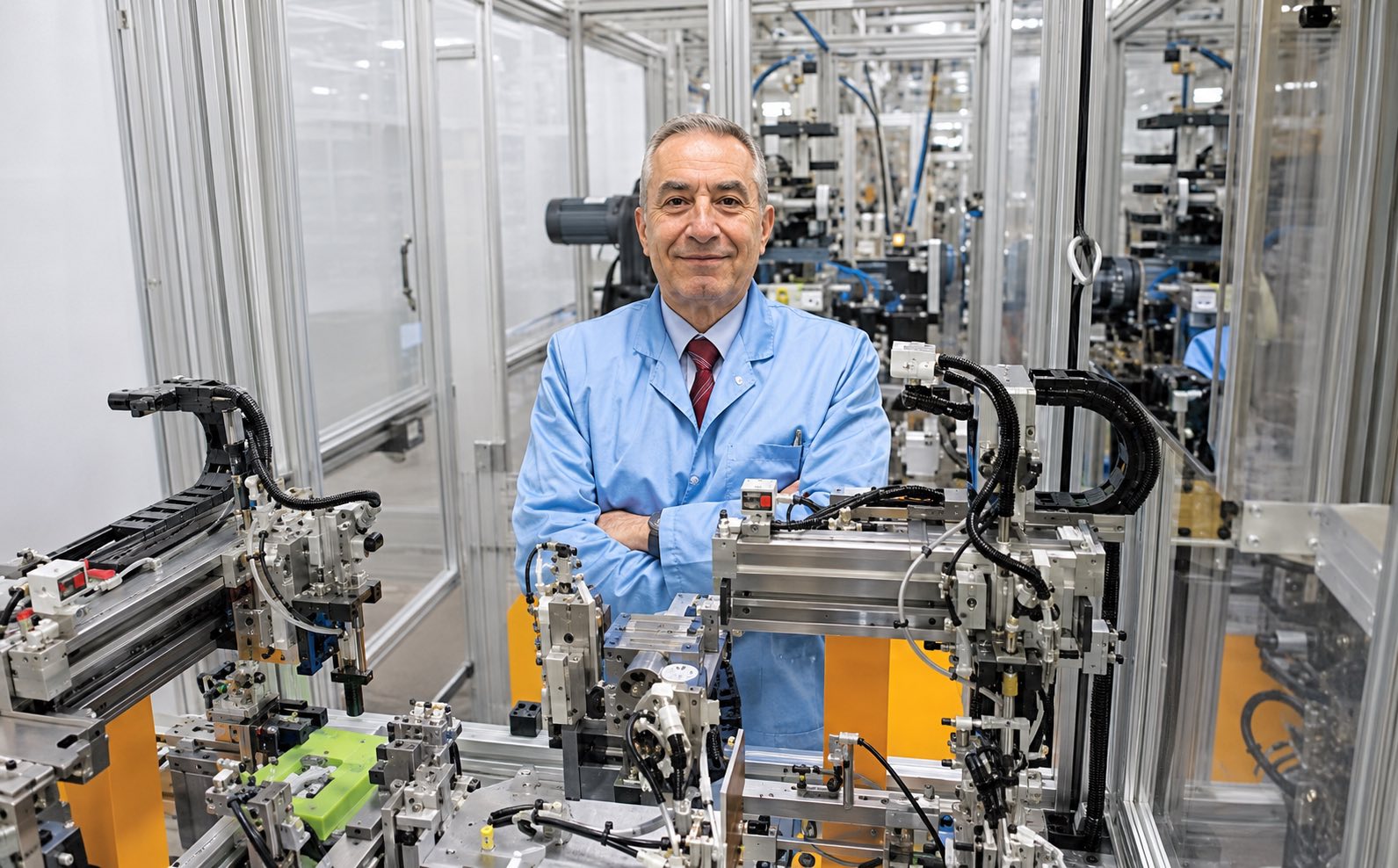
Algeria has launched a project to build a lithium battery factory with a planned capacity of five gigawatt-hours. The facility is expected to use lithium iron phosphate chemistry and serve two markets, electric vehicles and stationary energy storage.
President Abdelmadjid Tebboune has appointed battery specialist Professor Karim Zaghib to lead the project. Zaghib will oversee the technical and technological studies and monitor their implementation under the supervision of the Ministry of Energy and Renewable Energy, through Sonelgaz International. This phase will define which stages of production the factory will handle and what investment is needed to reach the planned capacity.
Lithium iron phosphate, known as LFP, is used in electric vehicles and in systems that store electricity near generation sites or where it is consumed. The two markets have different technical requirements. In vehicles, weight and space are important constraints. In stationary installations, service life, safety and the cost of storing electricity carry particular weight.
Some of the economic value for Algeria could come from activities upstream of the factory. Domestic iron and phosphate resources offer an opportunity for local processing. Using those materials in batteries requires processing and purification to deliver consistent battery-grade inputs. Access to lithium and other inputs, as well as the ability to qualify their suppliers, will also affect production costs.
Buyers will look for consistent battery performance from one production run to the next. Testing, certification and the first industrial supply contracts will therefore be important milestones. The 5 GWh capacity indicates the scale of the project. Its contribution to Algerian industry will depend on how much of the materials processing, component production and manufacturing the country can carry out at a competitive cost.