





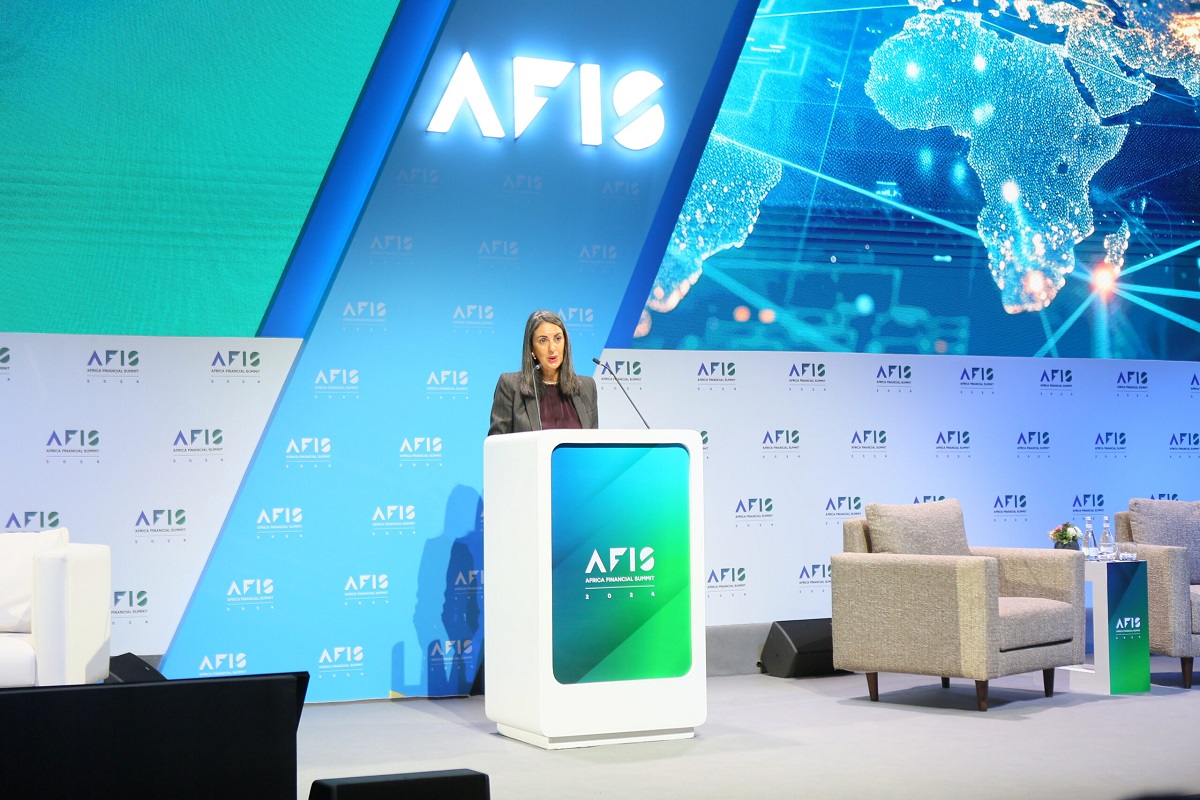

Minister of Economy and Finance Nadia Fettah said on Monday in Casablanca that the smooth circulation of capital, the robustness of the financial system and the unlocking of economic potential through the mobilisation of innovative financing together define a coherent vision for Africa’s financial future one in which finance becomes a powerful lever for sustainable development.
“We need to think like composite materials, combining flexibility and strength. Flexibility, to allow economic, financial and human flows to circulate and energise our economies. Strength, to build solid and resilient foundations capable of withstanding economic and geopolitical challenges,” Fettah said at the opening of the Africa Financial Summit (AFIS 2024).
In this regard, she noted that in the global economic landscape, capital mobility is the bedrock of innovation, growth and prosperity. “In Africa, where financing needs for infrastructure, the ecological transition and social inclusion exceed 1.2 trillion dollars by 2030, the efficient circulation of capital becomes a strategic necessity. Yet the continent continues to face structural, regulatory and technological obstacles that hinder this essential dynamic.”
Confronted with these multiple challenges, several solutions are emerging to improve capital fluidity, the minister said, pointing in particular to the Pan-African Payment and Settlement System (PAPSS), a promising initiative backed by Afreximbank and designed to facilitate cross-border payments. PAPSS now enables cross-border transactions in local currencies, with the potential to generate annual savings of five billion dollars.
She added: “At the same time, African fintechs such as Flutterwave, M-Pesa and Chipper Cash are redefining access to financial services by connecting millions of people, including in rural areas. This fast-growing market is expected to expand by 20% a year and reach 40 billion dollars by 2025.”
Read also | AIF 2024: Nadia Fettah calls for strengthening the economic contribution of women entrepreneurs in Africa
Initiatives such as the African Continental Free Trade Area (AfCFTA) are also essential, she said, as they simplify regulatory frameworks and reduce trade barriers. “But capital fluidity alone cannot guarantee a sustainable financial system. It is crucial that this circulation rests on solid foundations,” Fettah argued. In her view, the strength of a financial system depends on rigorous regulation, exemplary governance and sound macroeconomic balances. Africa must strengthen the resilience of its financial institutions to attract investors while ensuring long-term stability.
The minister also underlined the importance of robust regulation and effective supervision in maintaining stability, recalling that in 2023 Africa’s public debt servicing reached 163 billion dollars, significantly constraining governments’ ability to invest in strategic sectors such as education and infrastructure.
On climate resilience, Fettah said Africa must equip itself with mechanisms to manage climate risks, stressing the need to unlock the continent’s latent potential, given its vast human, financial and institutional resources.
“Financing major infrastructure projects and the ecological transition remains a major challenge. Every year, Africa must bridge a financing gap of 108 billion dollars for infrastructure and 250 billion dollars to meet its climate-related needs,” she said.
Read also | Purchasing power, growth, employment… Nadia Fettah looks back at the priorities of the 2025 Finance Bill
She argued that innovative financing models—such as concessional lending by the Central Bank of West African States (BCEAO) and public–private partnerships (PPPs)—represent potential solutions to address these needs.
According to the minister, social inclusion, notably through microfinance and instruments such as gender bonds, also plays a key role in improving access to finance for specific groups, including women entrepreneurs.
The key to success lies in active collaboration between governments, financial institutions and the private sector, which must work together to maximise the impact of available resources—not only by mobilising funding, but also by building an ecosystem conducive to innovation and sustainable growth, Fettah concluded.
Founded by Jeune Afrique Media Group in 2021 and co-organised by the International Finance Corporation (IFC), AFIS brings together more than 30 high-level panels and roundtables to showcase the structural reforms needed to strengthen the sector’s resilience and remove financing constraints on African economies at a time of regional and global upheaval.
Held under the theme “The time of African financial powers has come”, the forum—bringing together nearly 1,000 leaders from Africa’s financial sector, policymakers and regulators—is structured around five key priorities: creating banking products and capital market solutions to channel local resources into productive investment; reducing the cost and time of cross-border transactions and enabling greater trade among African countries; strengthening capital requirements for financial institutions; consolidating the industry; and encouraging partnerships with international financial centres.
(IDM with MAP)