






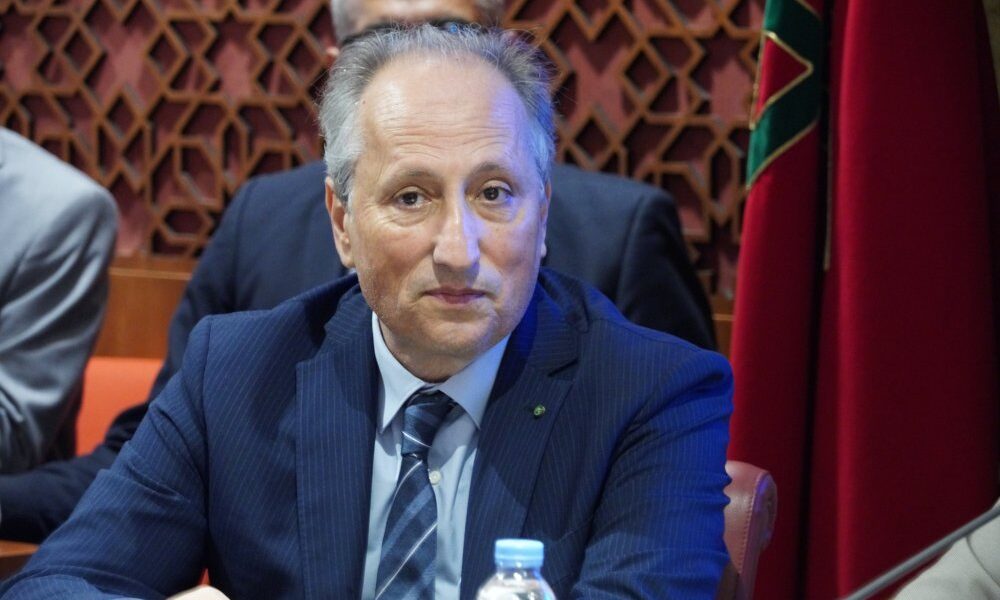

The Board of Directors of the Regional Academy of Education and Training (AREF) for Tanger-Tétouan-Al Hoceima met on Monday in Tétouan for a regular session and unanimously approved the proposed programs for 2025 and 2026.
The session was presided over by Mohamed Saad Berrada, Minister of National Education, Preschool, and Sports, and attended by the regional Wali, governors of the relevant provinces and prefectures, the president of the Regional Council, the Director General of the Agency for the Promotion and Development of the North (APDN), as well as other territorial officials, elected representatives, and members of the Board.
The Board validated:
- The regional action program and budget,
- The continuous training program for 2026,
- The 2025 performance report,
- The internal regulations of the Academy’s Board and public educational institutions, incorporating the Student Charter.
During his remarks, the Minister emphasized that the session is a key step to strengthen dialogue and coordination around the levers of regional educational development, calling for collective mobilization to accelerate priority reform projects.
Following presentations from thematic commissions, AREF Director Ouafae Chakir highlighted the main indicators of reform progress, regional educational performance, and the interim report of the 2022-2026 roadmap.
Key achievements include:
- Net enrollment rates rising to 81.85% in lower secondary and 55.34% in upper secondary, up significantly from the 2022-2023 school year.
- School dropout rate declining to 8.5% in 2024-2025, down from 11.42%.
- Strengthened social support programs, benefiting 22,746 students with school meals, 11,239 with boarding, and 84,562 with school transport, exceeding target goals.
During the session, the Minister also conducted field visits to schools in the provinces of Tétouan, Fahs-Anjra, and the Tanger-Assilah prefecture to review educational, artistic, and academic support activities.
Following the visits, Director Chakir noted that the region is progressively moving toward eliminating overcrowding in primary schools, thanks to the coordinated efforts of all educational stakeholders.