





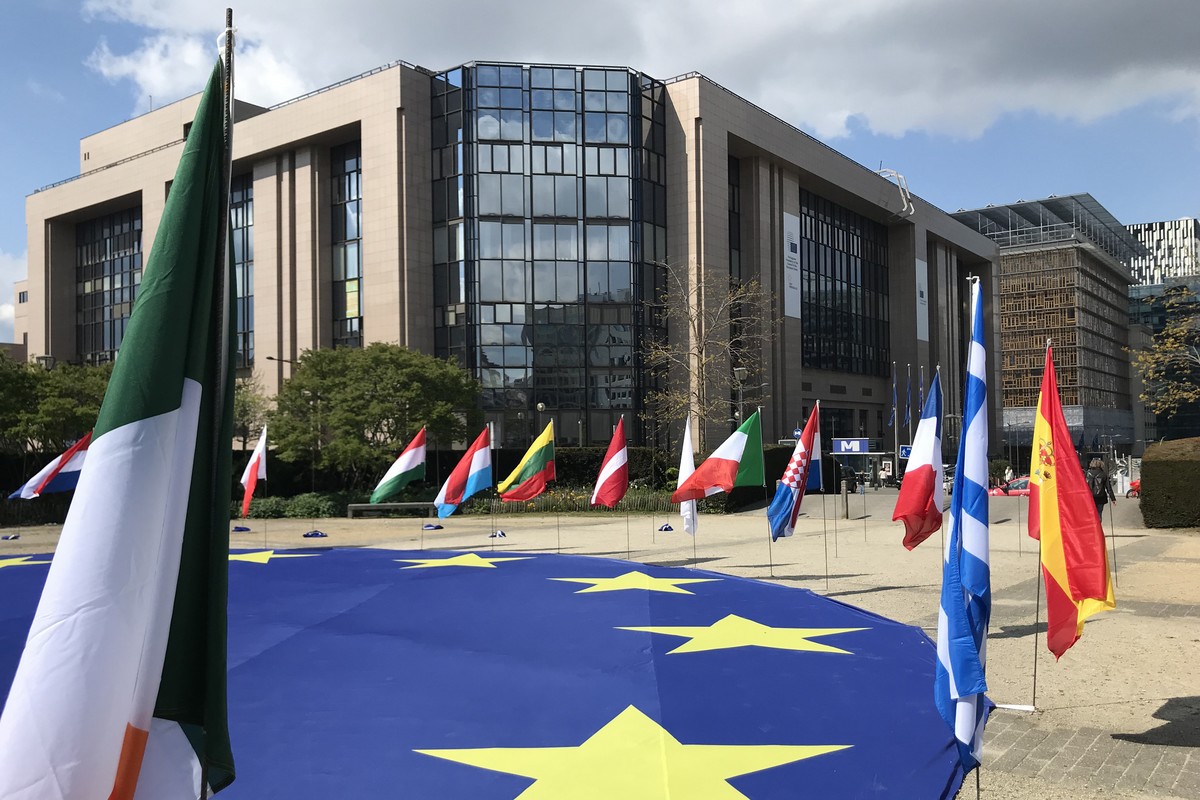

The European Union has taken a new step in tackling hybrid threats. Meeting within the Council of the European Union, member states adopted a series of measures aimed at enhancing their capacity to prevent, deter and respond to these growing challenges.
The Twenty-Seven expressed a clear determination to mobilize all available instruments to counter increasingly complex actions carried out by both state and non-state actors. These threats take multiple forms, including sabotage of critical infrastructure, cyberattacks, information manipulation, foreign interference and attempts to disrupt electoral processes.
In this context, the EU warns of the growing number of such activities aimed at undermining its institutions and destabilizing its partners. The instrumentalization of certain phenomena, particularly migration, is also highlighted among the major concerns.
Cypriot Minister of Foreign Affairs Constantinos Kombos stressed that these hybrid strategies directly test the resilience of European societies and challenge democratic foundations. He emphasized the need for a coordinated collective response to address these issues.
To achieve this, the European Union intends to fully leverage its existing tools, including mechanisms dedicated to countering hybrid threats and cyber diplomacy. Legislative measures as well as targeted sanctions may be deployed if necessary.
Member states also call for strengthening the protection of critical infrastructure and democratic institutions, while enhancing cooperation with international organizations, the private sector, academia and civil society.
Finally, the EU highlights the importance of supporting its most exposed partners, particularly candidate countries, to strengthen their resilience against such threats.