







U.S. authorities confirmed Thursday the death of Claudio Neves Valente, the main suspect in last weekend’s shooting at Brown University in the northeastern United States. The 48-year-old Portuguese national was found dead in a storage warehouse in New Hampshire. Investigators say he died by suicide.
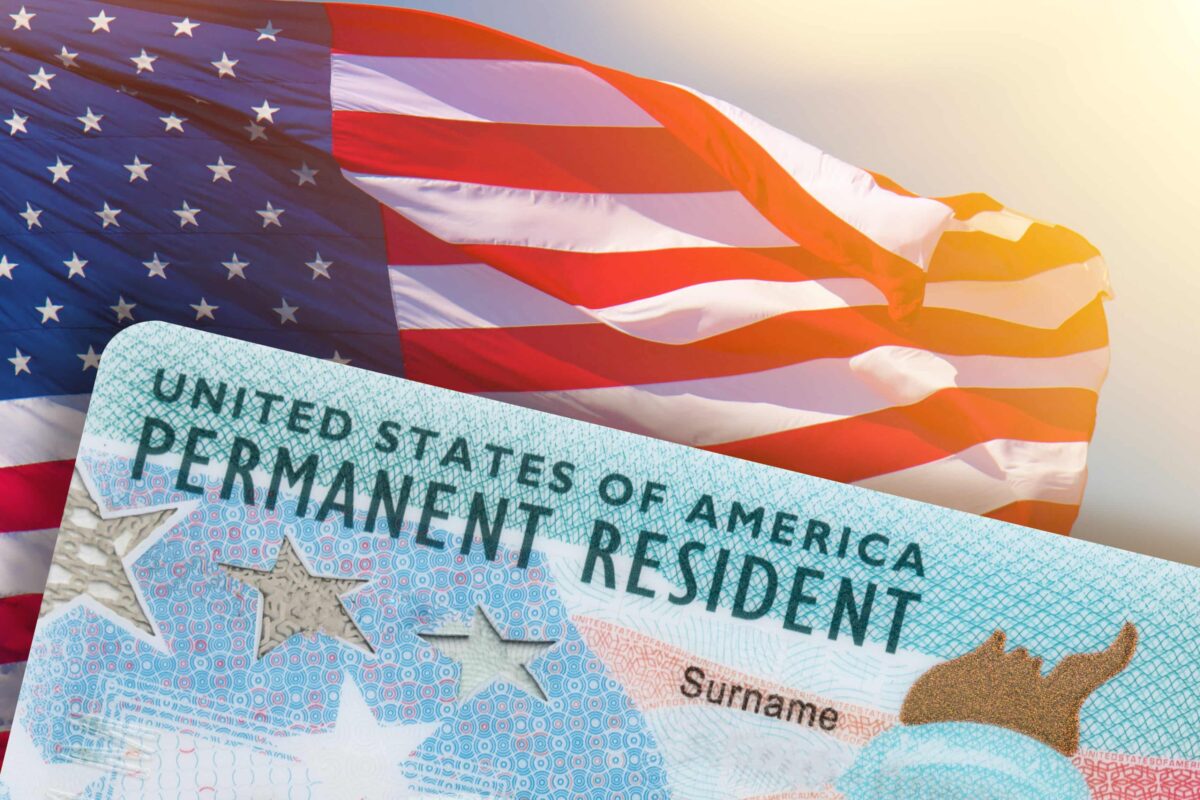
The announcement comes as the U.S. administration immediately suspended the Diversity Visa program—through which the suspect had obtained legal status in the U.S. in 2017. Secretary of Homeland Security Kristi Noem said the decision was made on instructions from President Donald Trump, citing national security concerns.
The shooting occurred last Saturday in a building housing the engineering and physics departments at Brown University in Providence. Two students were killed and nine others injured when the assailant opened fire with a 9mm handgun, firing several dozen rounds during exam period.
Authorities have also established a formal link between this attack and the murder of a professor at the Massachusetts Institute of Technology two days later. The victim, 47-year-old Nuno Loureiro, a nuclear science and engineering professor, was found fatally shot at his home in Brookline, near Boston. Investigators are confident that Claudio Neves Valente was responsible for both crimes.
A former physics PhD student at Brown in the early 2000s, Valente had also studied in Portugal in the 1990s at the same university as Nuno Loureiro. Despite these connections, authorities say the motive remains unknown. “We still do not know why these targets were chosen,” said Rhode Island Attorney General Peter Neronha.
The investigation revealed that the suspect attempted to cover his tracks, using a hard-to-trace phone, altering the license plates on his rental vehicle, and avoiding the use of bank cards in his name. Two firearms were found near his body, including the one believed to have been used in the attacks.
Politically, the case quickly took on national significance. The suspension of the Green Card lottery program has reignited an ongoing debate in the U.S. about immigration, security, and the mechanisms for selecting permanent residents. Established in 1990, the program allows approximately 50,000 foreign nationals from countries with low U.S. immigration rates each year to obtain a residency card, after security checks and interviews.
Beyond the suspension of the program, the tragedy highlights the persistence of gun violence in the country. According to Gun Violence Archive data, more than 16,000 people were killed by firearms in the U.S. in 2024, excluding suicides, illustrating the scale of a phenomenon that continues to fuel political debates and societal divisions.