


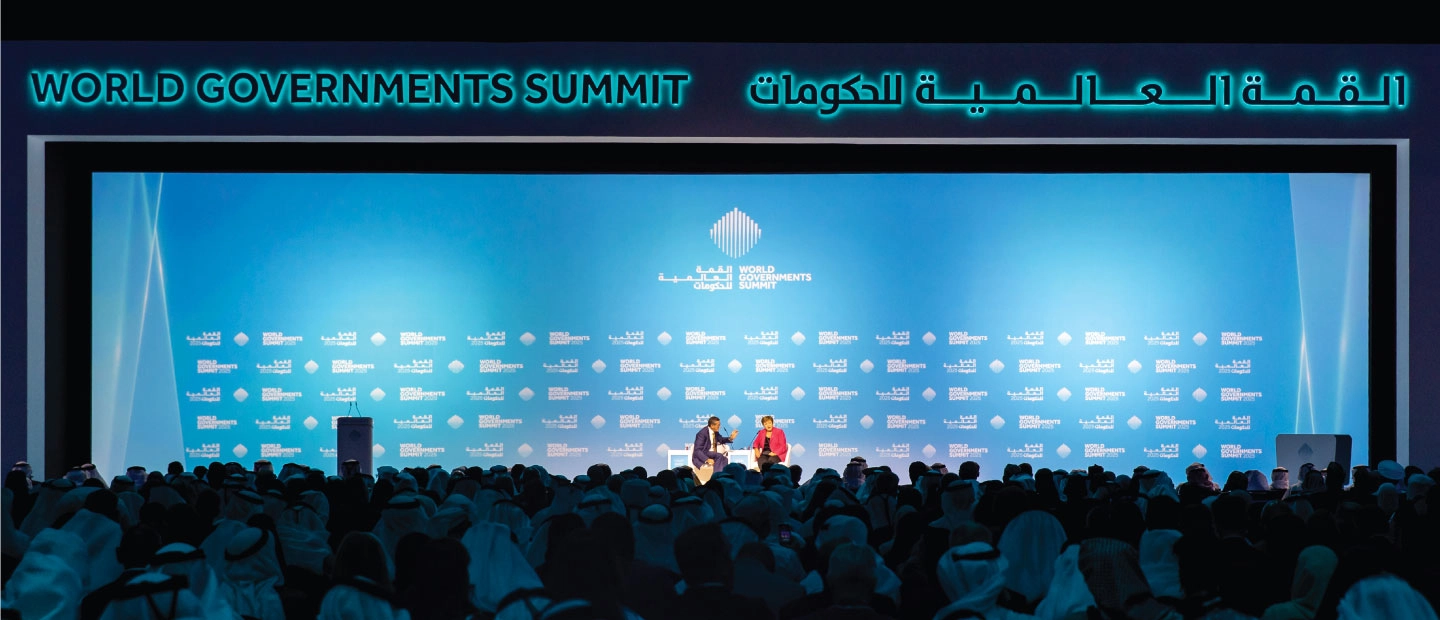
Morocco highlighted its pioneering approach to human resources development and the anticipation of future jobs during the 13th World Governments Summit held in Dubai from February 3 to 5. The Kingdom’s model, guided by the visionary leadership of His Majesty King Mohammed VI, was presented as a benchmark for integrating workforce planning, vocational training, and strategic investments in emerging sectors.
At the Future of Work Forum, one of the Summit’s key sessions, Moroccan policymakers emphasized that preparing the workforce for tomorrow’s industries is central to building a sustainable, diversified, and competitive economy. Morocco’s approach combines strong governmental guidance with private sector participation, aiming to ensure that national skills align with technological innovation and global labor trends.
Morocco has recently inaugurated two advanced aerospace factories, an investment expected to double the sector’s turnover and position the country among the few capable of producing entire aircraft components, including engines. These developments illustrate the Kingdom’s proactive strategy to attract high-value technology investments while fostering local talent.
The Kingdom’s national strategy also emphasizes vocational training, with the creation of 12 “Cities of Trades and Skills” across all regions. These centers provide high-level training in multiple sectors, supported by significant public funding and active private sector engagement. The initiative has been described as a global reference in combining human capital development with industrial innovation.
Experts at the Summit highlighted that mobility of skilled labor remains a challenge worldwide, making strategic workforce planning and upskilling essential. Morocco’s integrated policy of education, apprenticeship, and incentives for investment ensures a continuous pipeline of qualified professionals to meet both domestic and international demand.
The Future of Work Forum serves as a platform for countries to exchange best practices, innovative policies, and cooperative strategies in employment, workforce development, and economic diversification. Morocco’s participation underscores its commitment to shaping the future of work regionally and globally, placing human capital at the center of its national development agenda.
The Kingdom’s model demonstrates that forward-looking policies, combined with technological investments and robust training infrastructure, can create a sustainable, competitive workforce ready to meet the challenges of a rapidly evolving global economy.