




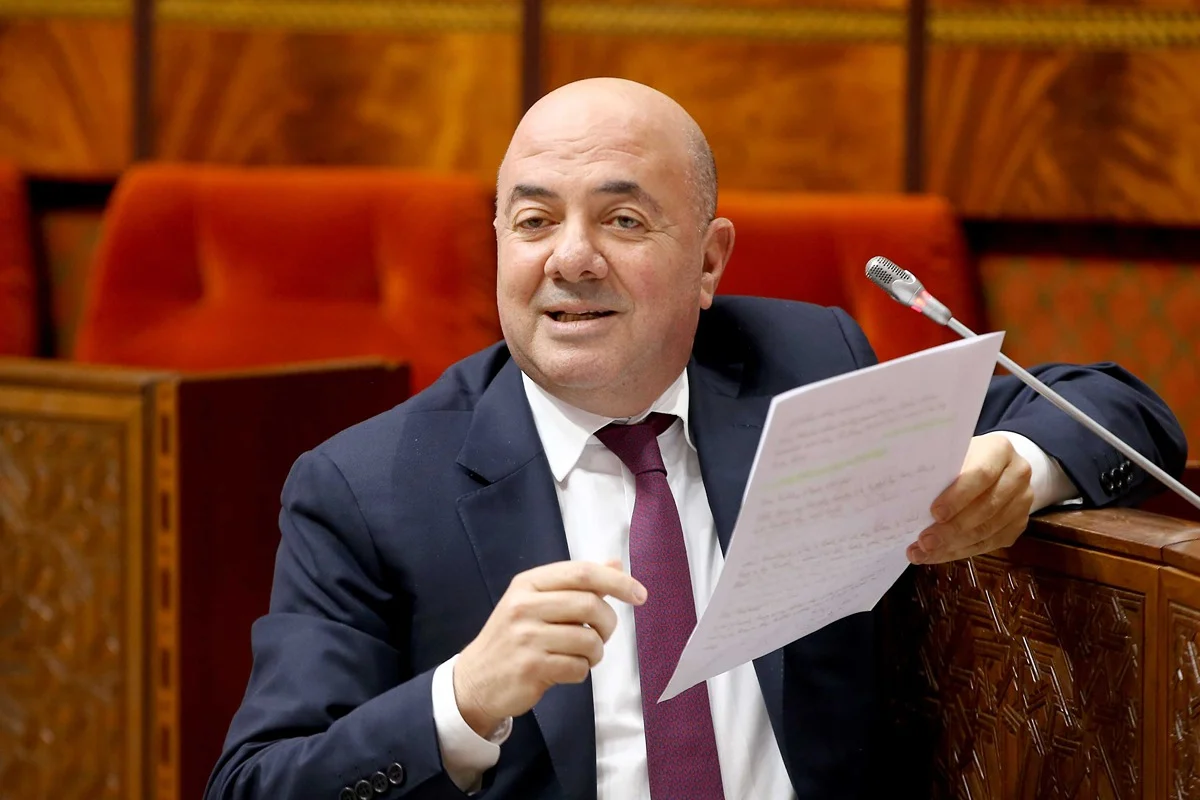
Morocco’s direct housing assistance program continues to gain momentum. More than 105,000 people have already benefited from this government initiative, Secretary of State for Housing Adib Benbrahim announced on Tuesday in Rabat.
Responding to an oral question in the House of Councillors regarding the program’s performance, the official stated that the initiative has generated strong interest nationwide, with nearly 218,000 applications submitted.
Young people under the age of 40 represent 52% of beneficiaries, while women account for 40% of the total. Moroccans living abroad (MREs) make up 24% of beneficiaries.
According to Mr. Benbrahim, 60% of beneficiaries purchased homes valued at less than 300,000 Moroccan dirhams. In addition, 60% of beneficiaries, belonging to the middle class, received financial assistance amounting to 70,000 dirhams.
The Secretary of State also highlighted that housing aid allocations have been concentrated in cities and provinces facing shortages of social housing, helping to reduce regional disparities. In this regard, Fez ranks first among the prefectures benefiting most from the program, followed by Berrechid, Meknes, Greater Casablanca, Kenitra, El Jadida, Benslimane, and Settat.
As part of the 2026 Finance Law, eligibility for the assistance has been extended to co-owners of jointly owned property, thereby opening the program to new categories of citizens.
Regarding efforts to combat substandard housing, the official noted that 62 cities and urban centers have now been declared slum-free, improving living conditions for nearly 384,818 households.
During the current government term, the living conditions of more than 81,000 households have also been improved. Authorities continue their efforts to completely eradicate slums by 2028 through a new approach that prioritizes resettlement and urban integration rather than simple relocation.
Concerning buildings at risk of collapse, Mr. Benbrahim stated that 53,728 structures have been identified nationwide, of which 28,000 have already undergone specialized technical assessments. Reports concerning buildings requiring urgent intervention have been forwarded to the relevant local authorities.
Finally, the Secretary of State emphasized the importance of urban renewal programs in rehabilitating deteriorated neighborhoods, improving access to decent housing, and integrating peripheral areas into the urban fabric, with the goal of reducing poverty and social exclusion.