



The British digital banking giant is preparing to enter the African market by targeting two key economies, highlighting the continent’s growing appeal for global fintech leaders.
Africa has emerged as the next major frontier for global digital finance. After reshaping retail banking across Europe and expanding into Latin America and Asia, British fintech Revolut is now preparing its entry into Africa through a strategy focused on two high-potential markets: South Africa and Morocco.
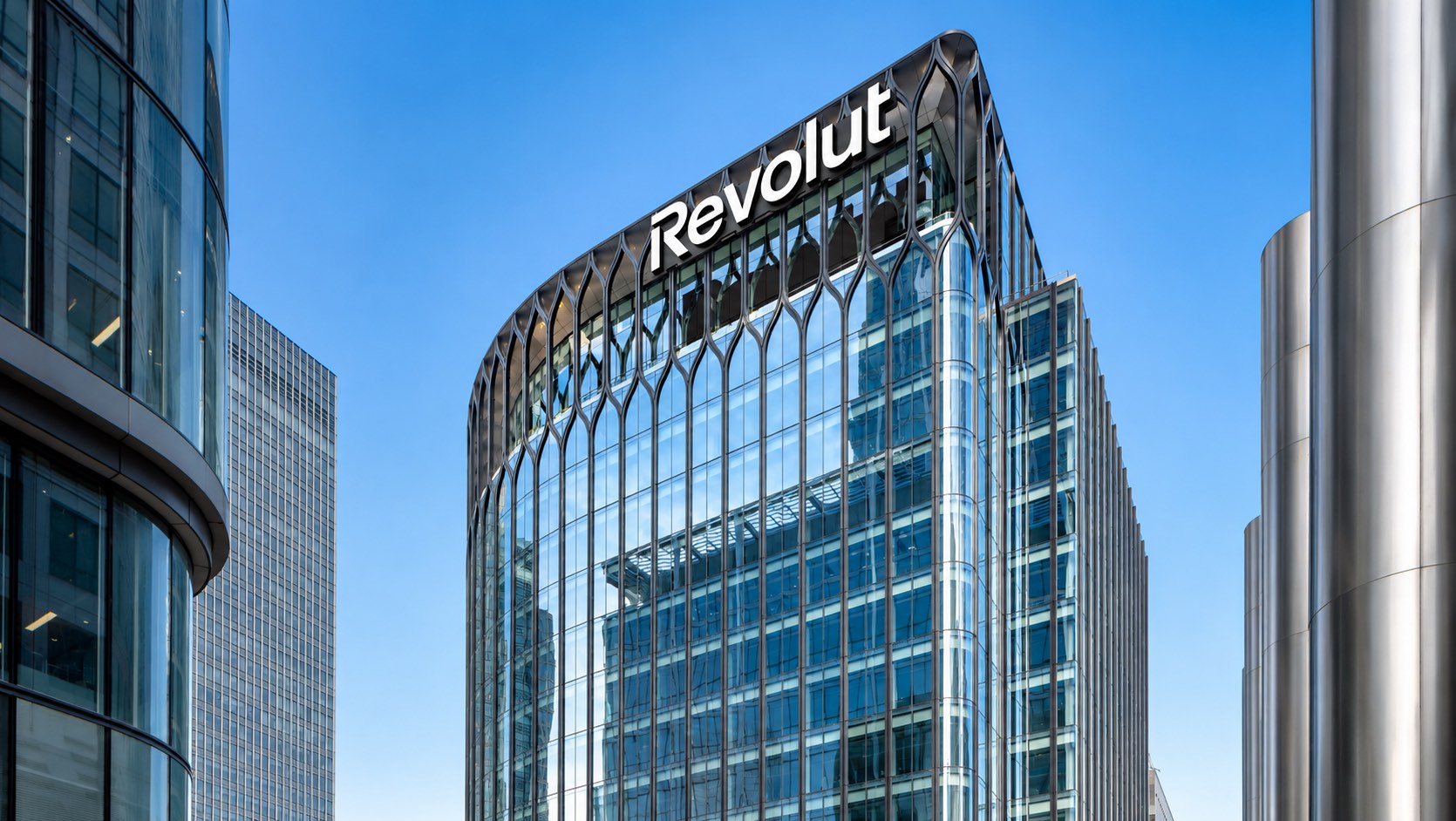
This move marks a new milestone in the international expansion of the London-based company, founded in 2015. Valued at around $75 billion, Revolut is now one of the world’s largest fintech companies. It serves more than 70 million customers across over 45 countries and aims to reach 100 million users within the next few years.
South Africa: The First African Foothold
Revolut’s first major African initiative is taking shape in South Africa, where the company has officially begun the process of applying for a full banking licence from the South African Reserve Bank (SARB).
Its objective is to introduce a fully digital banking model offering multi-currency accounts, instant international payments, debit cards, foreign exchange services and innovative financial solutions for both retail customers and businesses.
South Africa was chosen for several strategic reasons. As Africa’s most industrialised economy, it offers a sophisticated banking sector, a well-established regulatory framework and a high level of financial inclusion. Revolut sees the country as an ideal gateway for building its African presence before gradually expanding into other markets across the continent.
Morocco: A Strategic Gateway
Alongside South Africa, Morocco has become the second pillar of Revolut’s African strategy.
Company executives have recently held discussions with Bank Al-Maghrib, Morocco’s central bank, to explore the conditions for establishing operations in the Kingdom. The talks focus on the regulatory framework governing international financial institutions as well as the long-term opportunities offered by the Moroccan market.
For Revolut, Morocco offers several compelling advantages. Its macroeconomic stability, resilient banking sector, rapidly modernising financial infrastructure and strategic location connecting Europe and Africa make it one of the continent’s most attractive financial hubs.
The country is also benefiting from the rapid digitalisation of payment systems, increasing adoption of financial technology and substantial remittance flows from its large diaspora.
While Bank Al-Maghrib has adopted a cautious approach, Moroccan authorities have made it clear that any market entry by international digital banks must align with the country’s ongoing financial sector reforms, including payment systems, banking supervision and foreign exchange regulations.
A Strategy Tailored to African Markets
Rather than pursuing rapid large-scale expansion, Revolut is opting for a gradual market-entry strategy.
The company plans to rely on lean local teams, partnerships with mobile money operators, and cross-border payment solutions designed to facilitate financial transactions between African markets and the global economy.
This approach allows Revolut to limit its initial investment while adapting its products and services to the specific characteristics of each national market.
Its future African offering could include:
- Multi-currency bank accounts;
- International debit cards;
- Low-cost international money transfers;
- Real-time foreign exchange services;
- Travel payment solutions;
- Financial products for freelancers and SMEs;
- Fully digital personal finance management tools.
Growing Competition in African Fintech
Revolut’s expansion reflects the increasing interest of global fintech companies in Africa.
The continent is experiencing one of the fastest-growing digital payments markets worldwide, driven by rising smartphone penetration, the widespread success of mobile money, increasing diaspora remittances and growing demand for accessible financial services.
This momentum is attracting a growing number of international players specialising in digital banking, payment technologies and financial innovation, making Africa one of the world’s most dynamic fintech ecosystems.
A Catalyst for Financial Modernisation
Beyond intensifying competition for traditional banks, Revolut’s arrival could contribute significantly to the modernisation of African financial services.
Lower international transfer costs, improved financial inclusion, wider adoption of digital payments and enhanced financial solutions for small and medium-sized enterprises are among the potential benefits expected from increased competition and innovation.
For Morocco, the establishment of Revolut would reinforce the Kingdom’s ambition to position itself as a regional financial hub linking Europe, Africa and the Middle East. It would also support the country’s strategy to develop a competitive fintech ecosystem and accelerate the digital transformation of its banking industry.
Expansion Under Strict Regulatory Oversight
Revolut’s ambitions will nevertheless depend on meeting the rigorous requirements imposed by financial regulators.
Obtaining banking licences remains a demanding process, particularly regarding corporate governance, cybersecurity, anti-money laundering compliance, consumer protection and prudential regulation.
If these conditions are met, Revolut’s entry could represent a significant milestone in the evolution of Africa’s banking landscape. More than a simple geographic expansion, it illustrates the increasingly strategic role Africa is playing in the global growth plans of leading digital finance companies, where innovation, financial inclusion and international connectivity are becoming the key drivers of future development.