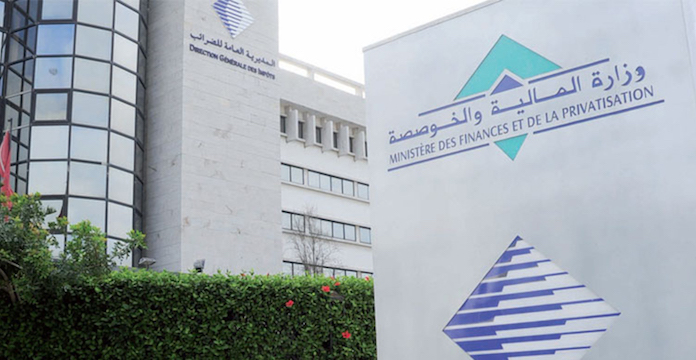

Morocco is considering a major reform of personal income taxation under the government’s 2026–2031 program. According to policy proposals reported on October 21, 2026, the annual tax-exemption threshold could increase from MAD 40,000 to MAD 60,000, while the income tax schedule would be simplified into three brackets with a maximum marginal rate of 30%.
The reform, which is expected to be implemented progressively between 2027 and 2031, aims to improve purchasing power, reduce the tax burden on employees and encourage formal employment. Personal income taxation is one of the principal instruments of income redistribution and household consumption support. Against a backdrop of persistent cost-of-living pressures, the Moroccan government intends to use income tax reform as a means of strengthening purchasing power.
The proposals outlined in the 2026–2031 program include raising the annual exemption threshold from MAD 40,000 to MAD 60,000. Under the proposed arrangements, individuals with taxable net income not exceeding MAD 5,000 per month could qualify for an income tax exemption.
The reform also envisages reducing the number of tax brackets from five to three, with progressive rates of 10%, 20% and 30%. The maximum marginal tax rate would consequently decline from 37% to 30%, representing a reduction of seven percentage points.
The stated objective is to simplify the tax system while reducing the burden borne by employees. The proposed changes could also facilitate administrative procedures for companies responsible for withholding income tax from salaries.
A Purchasing Power Reform Constrained by Budgetary Considerations
Reducing the tax burden on personal income could generate several economic benefits. Higher disposable household income could support domestic consumption, particularly in retail and service industries. For businesses, a simpler tax framework could streamline certain administrative procedures and make formal employment more attractive.
However, the distributional effects of the reform will depend on the precise income thresholds of the new brackets and the final calculation rules. A reduction in the highest marginal rate does not necessarily benefit all categories of taxpayers equally.
The reform also raises questions regarding its potential cost to public finances.
Any decline in tax revenue will need to be reconciled with funding requirements for social policies, infrastructure and public services.
For this reason, the government is considering phased implementation between 2027 and 2031, accompanied by an assessment of the budgetary implications. The central challenge will be to strike a balance between supporting purchasing power, ensuring tax fairness and maintaining fiscal sustainability. The success of this transformation will also depend on the authorities’ ability to broaden the tax base and improve compliance with reporting obligations.
Beyond simplifying the tax schedule, the proposed reform could represent an important milestone in the evolution of Morocco’s fiscal model, provided that the announced commitments are translated into effective legislation.