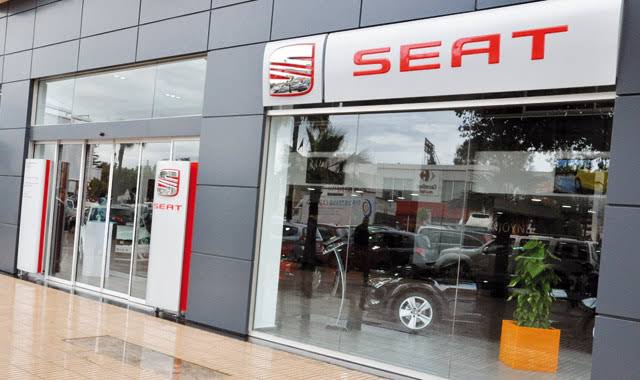
Spanish automotive manufacturer SEAT reaffirmed its presence in the Moroccan market and its long-term commitment to local customers on October 21, 2026. The announcement comes against a backdrop of growing competition, changing consumer preferences and technological transformation across the automotive industry. For international brands, Morocco represents a market where the quality of distribution networks and after-sales services is becoming just as important as the attractiveness of the vehicles themselves.
Morocco’s automotive market is undergoing structural transformation, driven by an increasingly diversified product offering and the arrival of new competitors.
European manufacturers with an established presence in the country must now adapt to more intense competition, particularly in market segments where value for money, equipment levels and vehicle performance are decisive purchasing criteria.
Against this backdrop, SEAT’s renewed commitment to Morocco reflects its determination to maintain lasting relationships with local consumers. The Spanish manufacturer benefits from geographical proximity between Morocco and Spain, as well as its integration into a highly developed European automotive industrial ecosystem.
However, customer loyalty depends on factors extending well beyond vehicle sales. Spare-parts availability, maintenance quality, warranty transparency and efficient after-sales services have become essential components of competitiveness.
Consumers are also paying increasing attention to the total cost of vehicle ownership, particularly amid continued pressure on household purchasing power. Distribution networks must therefore adapt their commercial offerings and services to these evolving market conditions.
Competition Is Increasingly Driven by Trust and Service Quality
The transformation of the automotive sector requires manufacturers to continuously adjust their strategies. The gradual electrification of vehicle ranges, the development of connected technologies and the digitalization of customer relationships are reshaping consumer expectations.
In Morocco, these developments must be balanced against affordability constraints, mobility habits and infrastructure availability. For SEAT, maintaining a sustainable market presence requires offering vehicles suited to local needs while ensuring reliable customer support. The development of financing solutions, maintenance services and customer loyalty programs could further strengthen the brand’s appeal. From an economic perspective, the presence of international automotive manufacturers contributes to the development of vehicle distribution, maintenance and related services.
It can also support technical skills development and the creation of specialized employment opportunities. Nevertheless, a distinction must be made between commercial operations and industrial investments in vehicle manufacturing.
The October 21 announcement does not, in itself, indicate the establishment of a new factory or the launch of an industrial production program in Morocco. Rather, it highlights the strategic importance of the Moroccan market for European automotive brands. In a rapidly changing industry, commercial competitiveness will increasingly depend on customer experience and the ability to build lasting relationships based on trust.