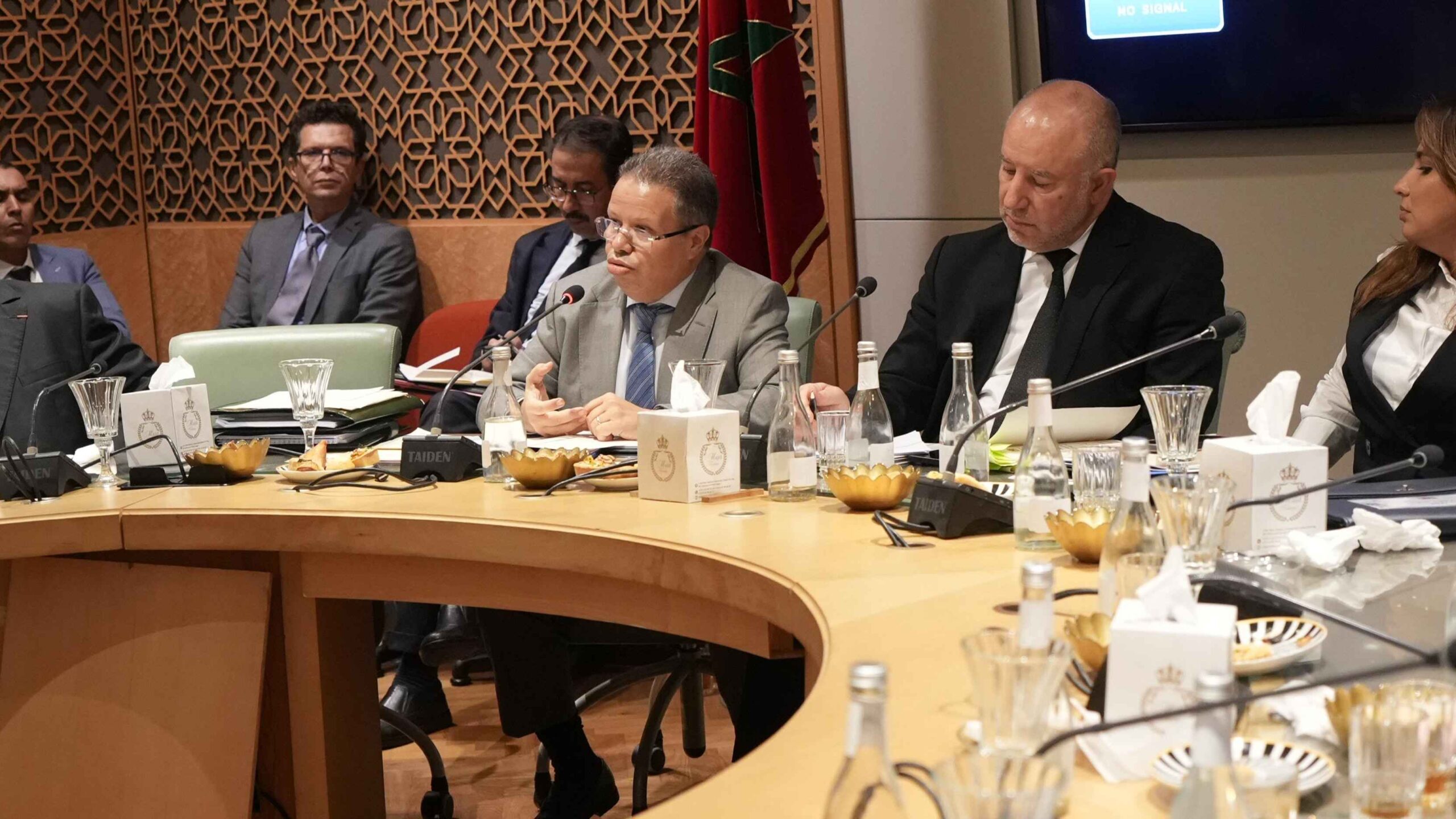
The health sector will receive additional funding of nearly MAD 2.83 billion for the 2027 fiscal year to support the management of Territorial Health Groups (GSTs), finance investment projects and accelerate priority reforms, Minister of Health and Social Protection Youns Bjijou announced on Tuesday in Rabat.
Presenting his department’s draft sectoral budget before the Social Sectors Committee at the House of Representatives, the minister explained that the additional funding comprises MAD 945 million allocated to supporting the management of GSTs, MAD 860.70 million in payment appropriations for investment, and more than MAD 1.022 billion in commitment appropriations. Payments related to certain commitments are scheduled for the 2028 fiscal year.
These additional allocations come on top of the sector’s overall budget of MAD 45.4 billion. According to the minister, the department’s strategy is built around seven interconnected priorities aimed at translating financial resources and investments into more accessible, consistent and effective local healthcare services.
The first priority focuses on strengthening health governance through the nationwide rollout of Territorial Health Groups, completing the operationalization of governance institutions, and linking funding to performance and quality of services.
The ministry also intends to reinforce primary healthcare and local medical services, while enhancing the role of family doctors in prevention, patient monitoring and medical referrals.
Regarding healthcare infrastructure, Bjijou highlighted the adoption of a health map designed to align healthcare provision with regional needs. The programme includes the establishment of four University Hospital Centres (CHUs) in Béni Mellal, Guelmim, Errachidia and Casablanca, alongside the continued upgrading of 1,600 primary healthcare facilities and 90 provincial and regional hospitals.
Improving the patient experience is another key priority. Measures will focus on enhancing reception and guidance services, improving appointment management, reducing waiting times and progressively expanding emergency medical assistance through the 141 hotline.
The minister also stressed the importance of strengthening human resources by improving healthcare professionals’ working conditions and ensuring a better distribution of skills according to regional needs. The objective is to reach 35 healthcare professionals per 10,000 inhabitants by 2031.
Prevention and health security will also receive particular attention through expanded early screening programmes, enhanced epidemiological surveillance, improved disease management and stronger preparedness for emergencies. Mental and psychiatric healthcare are also included among the ministry’s priorities.
With regard to health sovereignty and medicine security, the strategy focuses on securing supplies, supporting domestic production of medicines and vaccines, strengthening the blood transfusion system and improving regional medicine stock management to anticipate and prevent shortages.
Finally, digital transformation is expected to underpin these priorities through the development of an integrated health information system, a shared electronic medical record and a national health identification number.
Through these additional allocations and the planned reforms, the Ministry of Health aims to accelerate the transformation of Morocco’s healthcare system, improve access to medical services and reduce regional disparities in healthcare provision.