



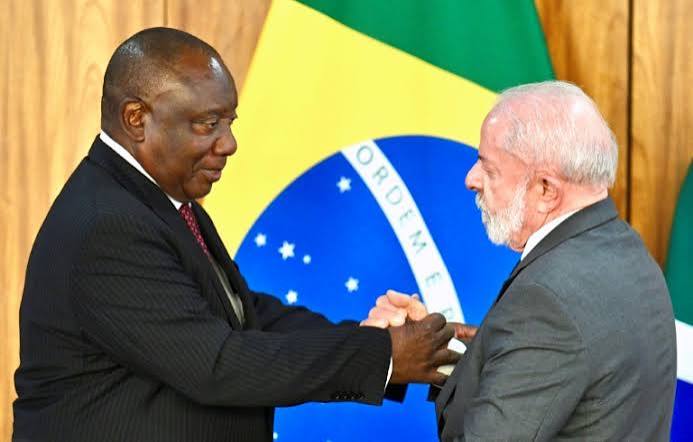
Trade in goods between Brazil and Africa reached $23.7 billion in 2025. As Brasília diversifies its trading partners, Moroccan and Nigerian fertilizers and South African metals show where African producers have already found buyers in Brazil.
Trade between Brazil and Africa grew by 52% between 2020 and 2025, despite a 2.3% decline in the final year. In 2025, Brazilian exports to Africa totaled approximately $15.5 billion, while imports from the continent stood at around $8.3 billion. Brazil recorded a trade surplus of $7.2 billion.
Trade has grown by 52% since 2020
Brazilian sugar, meat and some manufactured goods already have established markets across Africa. For African exporters, the most immediate opportunities lie in sectors where Brazilian manufacturers and farmers need reliable suppliers. Fertilizers offer the clearest example.
Morocco and Nigeria are building a foothold in fertilizers
Trade between Morocco and Brazil reached about $2.8 billion in 2025. In September 2026, Brazil’s Ministry of Agriculture and OCP Nutricrops signed a memorandum of understanding in Jorf Lasfar that set an indicative target of 3.8 million metric tons of phosphate fertilizers for Brazilian buyers in 2026–2027. The partnership also includes work on soil health and the development of fertilizers suited to Brazilian farming conditions. For Morocco, this agronomic cooperation could help build lasting relationships with Brazilian buyers.
Nigeria’s trade with Brazil reached $2.3 billion in 2025, up 12.3% from the previous year. Nigeria sold roughly $1.3 billion worth of goods to Brazil and bought around $1 billion, recording a surplus of approximately $312 million. Fertilizers accounted for 53.3% of Brazil’s imports from Nigeria, followed by petroleum products and natural gas.
Metals and trade agreements broaden the opportunities
South Africa’s trade with Brazil also reached $2.3 billion in 2025. Silver, platinum and other platinum-group metals accounted for 53.9% of Brazilian imports from South Africa. These sales show how much a specialized industry can contribute to bilateral trade. They also give producers an opening to negotiate contracts for products that undergo more processing in South Africa before export.
Access to the Brazilian market varies by country and product. Egypt has had a free trade agreement with Mercosur since 2017. South Africa, Botswana, Eswatini, Lesotho and Namibia are covered by a preferential trade agreement between Mercosur and the Southern African Customs Union. For eligible exporters, the benefits depend on the tariffs applicable to each product and their ability to meet the rules of origin.
For African businesses, the most tangible prospects lie in sectors where Brazilian demand is already established. A multi-year contract can give a fertilizer manufacturer the confidence to adapt production to a buyer’s needs. Regular orders for processed metals can help justify further investment on the continent. Those are the kinds of commercial commitments that can turn closer ties with Brazil into more value created in Africa.