
Morocco has the necessary assets to become a driving force in the energy transition of global maritime transport, according to the World Bank.
In an analysis dedicated to the Kingdom’s potential, the institution highlights Morocco’s strategic geographic position, abundant renewable energy resources, and capacity to produce low-cost hydrogen as key advantages that position it as an emerging major player.
The country is already establishing itself as a key maritime transport platform. Its port infrastructure is expected to play a central role in the production, storage, bunkering, and export of green hydrogen, the World Bank notes.
Accelerating the development of the green hydrogen sector could create jobs, generate additional revenues, improve access to drinking water, and strengthen electricity supply. Surplus renewable energy generated from hydrogen production could also benefit local communities.
The global maritime sector faces a dual challenge: meeting growing transport demand while significantly reducing emissions. In this context, green hydrogen derivatives, particularly ammonia and methanol, are emerging as credible alternatives to fossil fuels.
Demand for green hydrogen is therefore expected to rise sharply in the coming decades, representing a strategic opportunity for countries like Morocco that are capable of large-scale production.
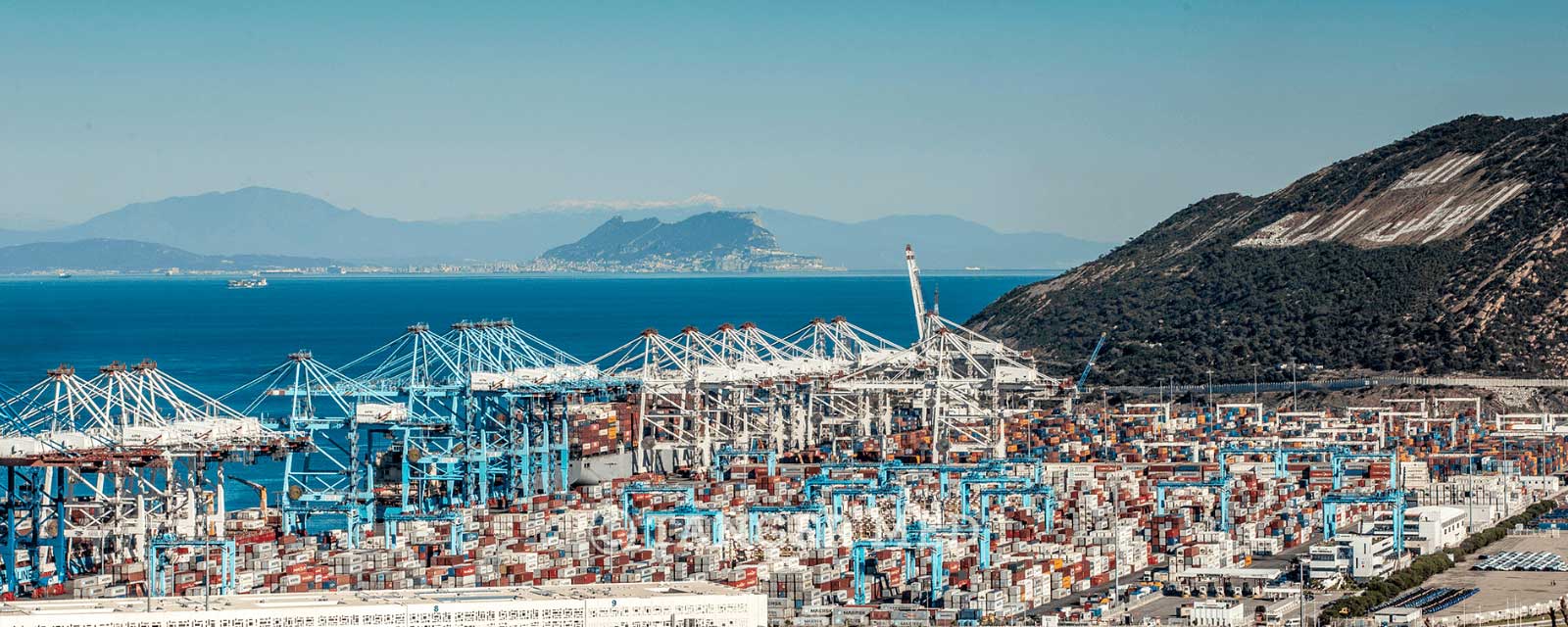
Port infrastructure lies at the heart of the national strategy. Ports such as Tanger Med, Jorf Lasfar, Port de Mohammedia, and Port de Tan-Tan could play a decisive role in achieving Morocco’s green hydrogen ambitions.
According to World Bank Group projections, under a medium-demand scenario, ships calling at Moroccan ports could require around 0.2 million tons of hydrogen equivalent by 2030, rising to approximately 2.83 million tons by 2050. This hydrogen would be converted into green marine fuels, mainly ammonia or methanol.
Currently, Tanger Med handles about 1.5 million tons of fossil fuels for maritime transport each year. Its location along one of the world’s busiest shipping lanes, near the Strait of Gibraltar, positions it as a natural candidate to become a green fuel bunkering hub.
Meanwhile, Jorf Lasfar, which already processes nearly two million tons of ammonia annually, could integrate green ammonia into its industrial processes. Using green ammonia to produce fertilizers would contribute to decarbonizing Morocco’s fertilizer sector.
Beyond maritime transport, Morocco’s renewable resources provide the foundation for large-scale, cost-competitive green hydrogen production. Growing global demand for clean energy, particularly in Europe, further strengthens this outlook.
Under its REPowerEU initiative, the European Union plans to import more than 10 million tons of green hydrogen per year by 2030. Morocco’s geographic proximity and production potential make it a natural strategic partner.
Maritime routes crossing the Strait of Gibraltar further reinforce Morocco’s position as a future global green hydrogen hub, the World Bank concludes.