





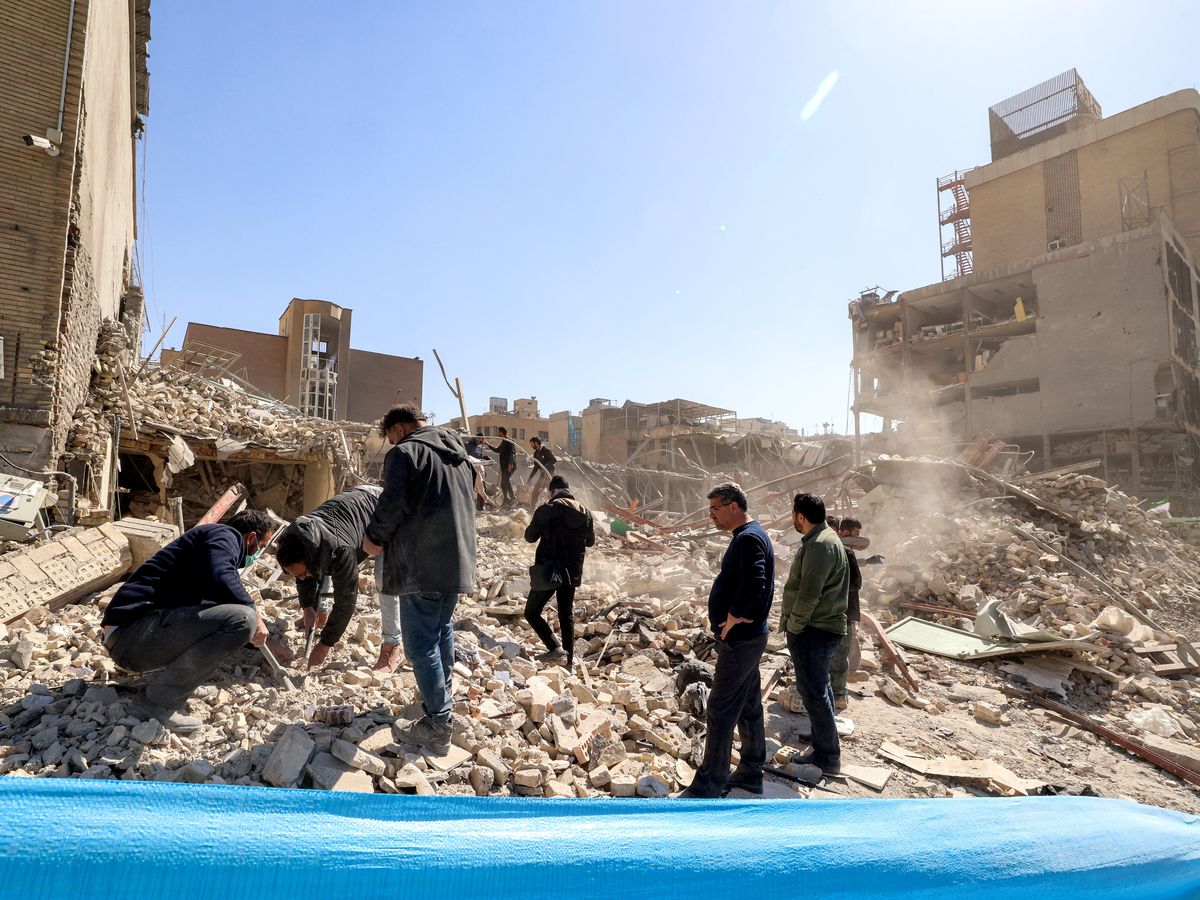

The fourth week of the conflict between Iran, Israel, and the United States is now having repercussions far beyond the battlefield. After triggering major volatility in oil markets, the war is now threatening critical infrastructure and forcing governments to prepare for new economic challenges.
In London, Keir Starmer, the British Prime Minister, is convening emergency meetings to assess impacts on the economy and energy security, while market operators are redirecting European gasoline shipments toward Asia.
Investors are closely monitoring former President Donald Trump’s ultimatum regarding the Strait of Hormuz, seeking signs of a possible escalation of the crisis.
Iran Expands Threats
Tehran has broadened its potential targets beyond military installations, warning that financial institutions linked to U.S. Treasury bonds could be at risk. Fighting intensified over the weekend, with new missile alerts across Israel and reported strikes on Tehran. Missile and drone attacks continue against Gulf states hosting U.S. forces, while Saudi Arabia confirmed ballistic missiles targeted the Riyadh region.
Oil Market Volatility
Oil prices have been highly volatile: Brent closed around $112.77 per barrel, while U.S. West Texas Intermediate (WTI) reached $98.51. The Strait of Hormuz, which channels about 20% of global oil supplies, remains largely closed, heightening market tensions and prompting Goldman Sachs to raise its short-term price forecasts.
Economic Impact in the UK
The COBRA emergency meeting aims to anticipate effects on households, businesses, energy security, and supply chains. Officials are concerned that inflation could reach 5% and further strain public finances.
Shifts in Fuel Flows Toward Asia
European gasoline shipments are increasingly redirected to Asia, driving regional price spikes. Asia’s dependence on Middle Eastern energy makes it particularly vulnerable to these disruptions.
The conflict is therefore no longer limited to battlefields: it is reshaping global energy markets, trade routes, and international economic outlooks.