




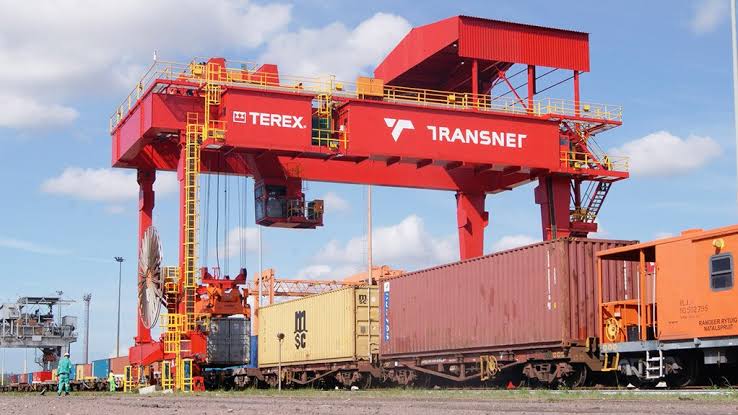

South Africa is putting infrastructure modernization back at the heart of its economic strategy. State-owned Transnet is seeking 35 billion rand, or approximately $2.2 billion, from the national Treasury to accelerate the modernization of its rail and port infrastructure.
The request comes at a time when logistics performance is increasingly weighing on the country’s exports and business competitiveness. The issue goes far beyond the financial situation of a state-owned company. Transnet is a critical link in South Africa’s economy, particularly for transporting minerals, agricultural products and goods destined for international markets.
Weaknesses in the rail and port networks have contributed to delays, higher logistics costs and reduced capacity for companies to respond efficiently to international demand. For an economy heavily dependent on commodity exports, infrastructure has therefore become directly linked to economic growth. The requested funding is intended to accelerate investment in rail networks and port facilities.
The challenge is also industrial: more efficient logistics could reduce costs for mining companies, agricultural producers, manufacturers and exporters. The South African government is therefore seeking to restore investor confidence in the country’s economic infrastructure. However, public funding alone will not be enough.
Transnet will also have to demonstrate improvements in governance, productivity and service quality. The real challenge will be to turn billions of rand into tangible logistics capacity. For industrial companies, every improvement in rail or port infrastructure can translate into lower costs and shorter delivery times.
For foreign investors, infrastructure quality remains a decisive factor when choosing where to locate production facilities. The South African case illustrates a broader continental challenge: can Africa accelerate industrialization without first addressing its infrastructure deficit?
Transnet is at the center of this equation. The success of the program will therefore be measured not only by the amount invested, but by the additional tonnes transported, reduced delays, increased exports and new industrial investments generated. South Africa is effectively betting part of its future competitiveness on this transformation.
The money must now create logistics capacity, and that logistics capacity must generate growth.