




Morocco is set to reactivate its support mechanism for imports of soft milling wheat from September 16, 2026, through December 31, amid rising global prices and increased market volatility. At the same time, domestic wheat collections have reached only around 6 million quintals, compared with an initial target of 15 million quintals.
Morocco is scheduled to resume its support mechanism for imports of soft milling wheat on September 16, 2026, according to a circular issued by the National Interprofessional Office for Cereals and Legumes (ONICL). The decision comes amid weaker-than-expected domestic wheat collection, with only around 6 million quintals collected compared with an initial target of 15 million quintals. This volume represents approximately 12% of the annual requirements of industrial mills, while stocks accumulated before the temporary suspension of imports have gradually declined.
Global markets under greater pressure
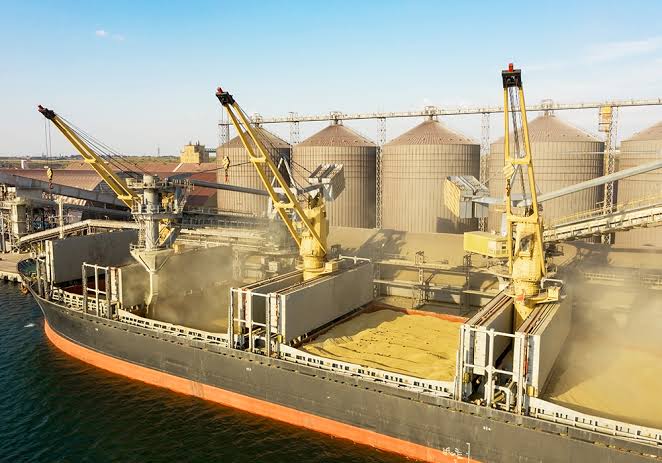
Morocco’s resumption of import support comes at a particularly sensitive time for global wheat markets. Prices have risen since July, driven by risks affecting exports from the Black Sea region, particularly disruptions to grain infrastructure in Russia and Ukraine, resulting in delays and cancellations of some shipments.
These developments are encouraging international buyers to seek alternative sources, particularly in Argentina, Australia and North America. Freight costs and supply availability have also become increasingly important factors in determining the final prices paid by importers.
These developments are particularly significant for Morocco because the Kingdom remains structurally dependent on imports to cover a substantial share of its wheat requirements. The import bill remains highly sensitive to international prices, shipping costs and the exchange rate of the dollar against the dirham.
MAD 270 per quintal as the reference price
The new support mechanism is based on a flat-rate subsidy calculated according to the difference between the average cost of imported wheat and a reference price set at MAD 270 per quintal, equivalent to MAD 2,700 per tonne.
This figure does not represent the international wheat price. Rather, it serves as the reference price used to calculate the subsidy. The amount of the subsidy will be determined and reviewed monthly by a committee involving, in particular, the agriculture and finance authorities, together with ONICL.
The calculations will take into account wheat prices on several international markets, maritime transport costs and movements in the dollar-dirham exchange rate.
The mechanism is designed to limit the direct transmission of international price volatility to the Moroccan market and ensure continued supplies to industrial mills.
80% upon import and 20% upon delivery
The subsidy will be paid in two stages. 80% of the subsidy will be linked to imported volumes, while the remaining 20% will depend on the quantities actually delivered to industrial mills.
This system is intended to ensure that the support is directly linked to volumes entering the domestic supply chain and to reduce the risk of subsidizing quantities that are not ultimately destined for industrial mills.
The Black Sea remains a key factor
Developments in the Black Sea region remain one of the most important variables determining wheat prices in September and the following months. Any additional disruption to Russian or Ukrainian exports could push global prices higher and increase Morocco’s import costs.
Conversely, improved export availability from Russia, Europe, North America or countries in the Southern Hemisphere could ease pressure on prices.
The cost of wheat for Morocco therefore depends on more than commodity-market prices. It also includes wheat quality and origin, freight and insurance costs, port charges, logistics expenses and the dollar exchange rate.
Domestic production is not enough
Domestic collection figures underline the importance of imports in securing market supplies. Collecting approximately 6 million quintals against a target of 15 million means that the domestic supply available to industrial mills remains significantly below the targeted level.
Morocco’s cereal production remains highly dependent on weather conditions, particularly rainfall. As a result, yields and overall production can vary considerably from one season to another.
This situation makes imports an essential tool for ensuring stability in the wheat market, including in years when domestic production improves.
September will be a crucial month
September 2026 will be a decisive period for the Moroccan market. From the middle of the month, the Kingdom will resume wheat purchases on international markets at a time when global prices remain highly volatile.
Importers will have to identify the most competitive supply sources in terms of price, quality, freight costs and delivery times, while authorities will closely monitor international markets, the dollar exchange rate and available stocks.
The importance of the support mechanism lies in its ability to absorb part of external shocks and protect the domestic market from sharp price fluctuations. However, higher global wheat prices, increased freight costs or a stronger dollar could also raise the fiscal cost of the subsidy.
Ultimately, Morocco’s challenge during the second half of 2026 will not simply be to monitor wheat prices, but to secure the quantities required by industrial mills at the lowest possible cost while maintaining domestic market stability and controlling the fiscal burden of the support mechanism.