




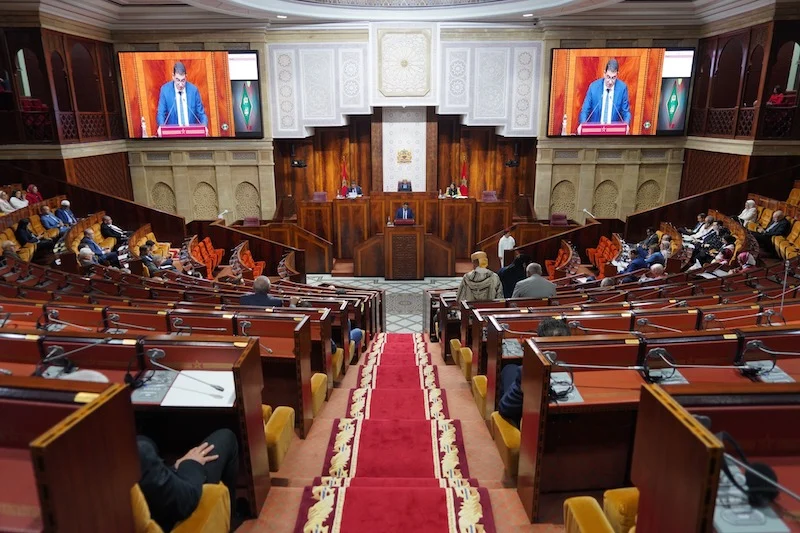

The House of Representatives approved on Monday evening in Rabat Bill No. 09.26 on the reorganization of the National Press Council (CNP), marking a significant step in reshaping the regulatory framework of Morocco’s media sector. The bill was adopted by majority vote, with 70 in favor and 25 against, highlighting ongoing divisions between the ruling majority and the opposition.
Presenting the bill, Minister of Youth, Culture and Communication Mohamed Mehdi Bensaid emphasized that the reform goes beyond ordinary legislation. He described it as a key milestone in modernizing the national media landscape and strengthening principles of good governance, transparency, and accountability.
The minister explained that the initiative follows an evaluation of the country’s first experience in media self-regulation. While pioneering, this experience revealed legal and practical shortcomings, along with growing demands from professionals for a more robust and adapted framework.
The new law seeks to strike a balance between press freedom—enshrined as a constitutional right—and the need to uphold professional ethics and standards. Among its key provisions is the establishment of an independent commission to oversee electoral and appointment processes, ensuring greater transparency and autonomy.
Parliamentary majority groups welcomed the amendments introduced to the bill, particularly those addressing concerns raised by the Constitutional Court. They stressed that the revisions strengthen the legal and institutional framework of the Council and ensure more balanced representation of the various components of the journalistic profession.
On the other hand, opposition groups expressed strong reservations, arguing that the revised text fails to address fundamental dysfunctions identified in the previous framework. They criticized what they described as limited and selective changes, calling instead for deeper reform based on consensus and aimed at restoring trust within the sector.
One of the main points of contention remains the retention of turnover as a criterion for the representativeness of publishers, which the opposition views as a financial logic that could undermine media pluralism.
Despite the criticism, the majority maintains that the success of the reform will ultimately depend on its effective implementation and the Council’s ability to fulfill its role while ensuring both professional autonomy and sector integrity.