



The African Development Bank projects economic growth of 4.6% for West Africa in 2026, following growth of 4.8% in 2025. Despite geopolitical tensions and financial constraints, the region is maintaining growth above the continental average.
The 2025 performance had already exceeded the African average of 4.4%. The region is benefiting from the strength of several economies, improvements in agricultural and mining production, and continued expansion in services.
However, this growth remains subject to significant constraints. Budget deficits, financing costs, energy challenges and infrastructure gaps continue to limit economic transformation.
The next challenge is regional industrialization
Population growth creates an enormous market but also puts considerable pressure on employment. The priority should therefore be to convert GDP growth into productive capacity: agribusiness, mineral processing, light manufacturing, energy, logistics and digital services.
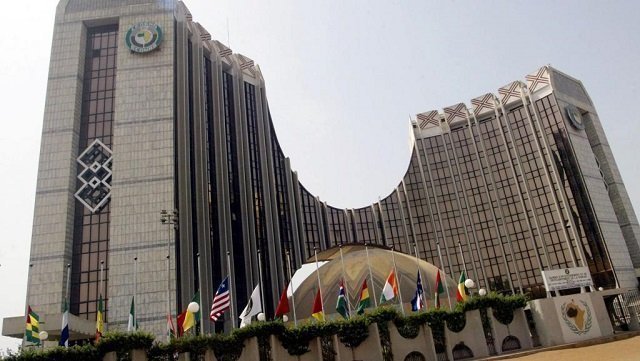
Regional integration represents another major opportunity. ECOWAS and the African Continental Free Trade Area can enable companies to move beyond national markets.
An industrial company operating in Senegal, Côte d’Ivoire, Ghana or Nigeria should increasingly be able to access consumers in neighboring countries. The next phase of West African growth will therefore depend heavily on the region’s ability to transform its markets into genuine value chains.