

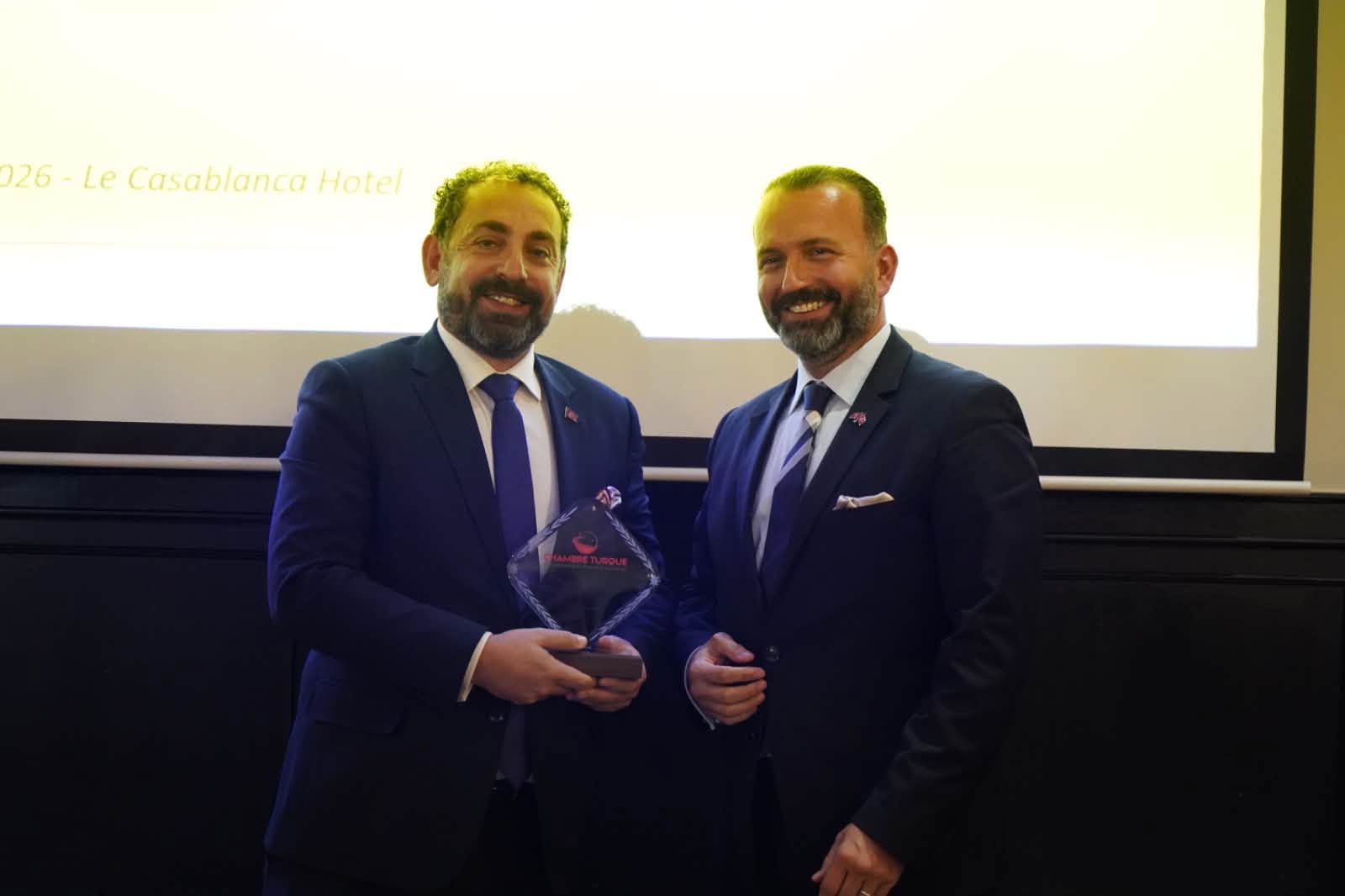
The official launch of the Turkish Chamber of Commerce and Industry in Morocco marks a new stage in economic relations between Rabat and Ankara. Above all, it provides an opportunity to rediscover the many Turkish companies that have chosen to make Morocco much more than a simple commercial market.
For several years, Turkish investment in Morocco has been undergoing a qualitative transformation. Turkish companies are no longer limited to exporting their products to the Kingdom. An increasing number of players are investing locally, creating jobs, developing production facilities and building distribution networks capable of serving both the Moroccan market and, ultimately, other African markets.
This evolution is taking place within an increasingly mature economic relationship. The two countries are celebrating 70 years of diplomatic relations, while their commercial exchanges have benefited for two decades from the framework provided by the free trade agreement.
Morocco is gradually emerging as a strategic platform for Turkish companies seeking closer access to African markets. Its port, industrial and logistics infrastructure, combined with its geographical position, represents a major advantage for investors.
A Changing Economic Model
The approximately 300 Turkish companies established in Morocco, representing around 7,000 jobs, illustrate the scale of this economic presence.
However, the model is evolving. The objective is no longer simply to sell in Morocco, but to produce in Morocco. This transformation supports the development of local value chains and strengthens the economic complementarities between Morocco and Turkey.
Companies such as Sanipak and LC Waikiki illustrate two complementary dimensions of this presence. The former demonstrates how a company can gradually move from importing products to industrial integration. The latter shows how an international brand can build strong proximity with Moroccan consumers through an extensive retail network and a strategy adapted to the local market.
This dynamic also creates new opportunities for SMEs and investors from both countries. Experience-sharing, partner identification, access to economic information and business networking are becoming increasingly important.
It is within this framework that the Turkish Chamber of Commerce and Industry in Morocco aims to serve as a bridge between the two economies. Its purpose is to bring companies closer together, facilitate exchanges and contribute to the development of solid and sustainable partnerships.
The decision to place three words at the heart of its mission — investment, production and connection — summarizes this new ambition.
The CTCIM therefore seeks to contribute to the transition from a primarily commercial relationship toward economic cooperation increasingly based on investment, local production, industrial integration and access to new markets.
Morocco, for its part, has an ecosystem particularly conducive to this evolution. Tanger Med, industrial zones, logistics infrastructure and the development of several industrial sectors are strengthening the Kingdom’s attractiveness as a regional platform.
For Turkish companies, the challenge now is to integrate their investments into this dynamic and further strengthen their integration into the national economy.
The creation of the CTCIM therefore comes at a strategic moment. It can help give greater visibility to the Turkish success stories already established in Morocco and, above all, encourage the emergence of a new generation of industrial and commercial partnerships.
Through Sanipak, LC Waikiki and other companies, Morocco is demonstrating that a foreign presence can progressively evolve into genuine local economic integration.
The challenge for the next decade will now be to transform this presence into greater production, added value, employment, innovation and joint access to African and international markets.