




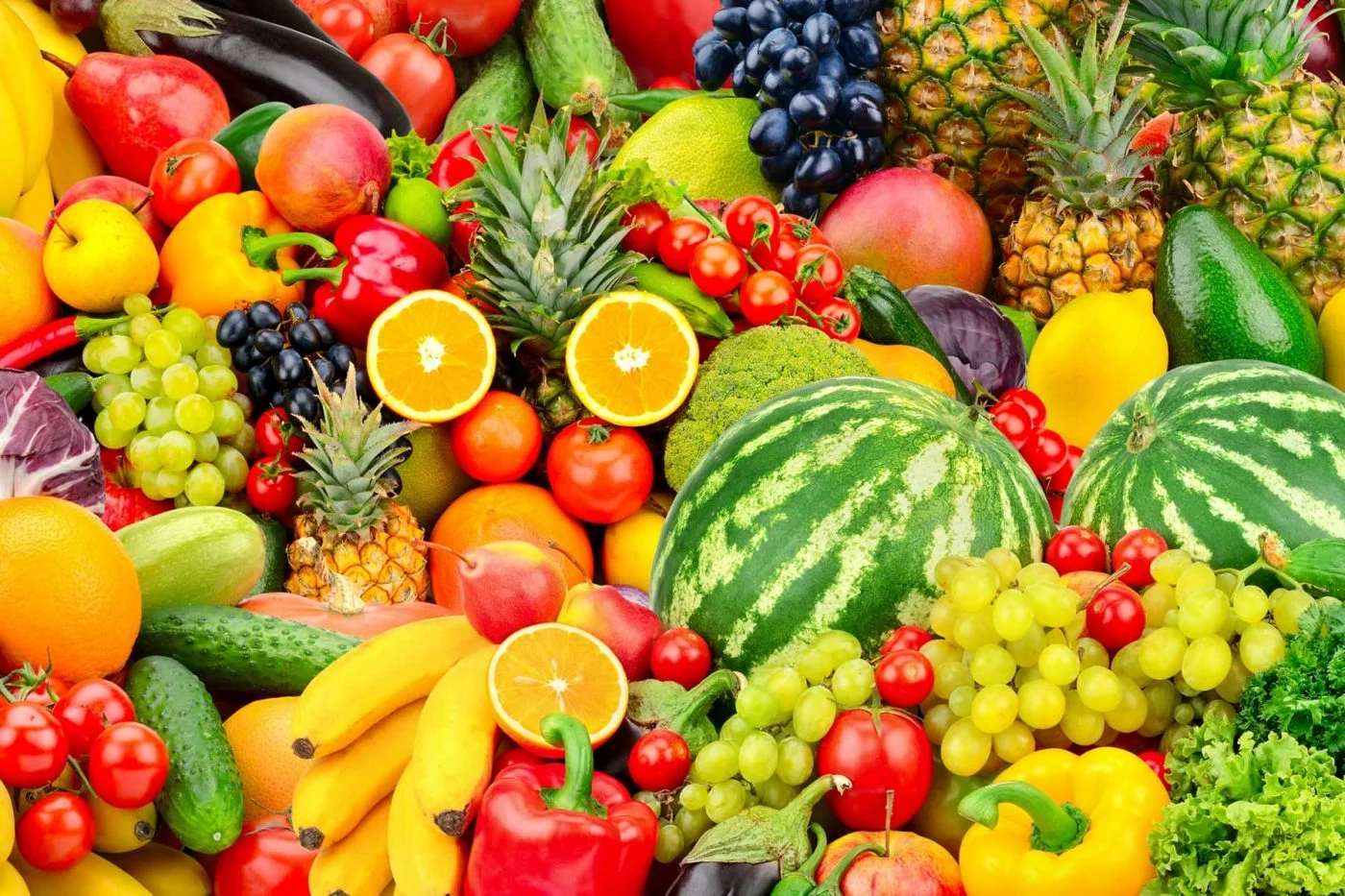

September is an important transitional month for Morocco’s fruit market, as the end of the summer season overlaps with the beginning of the autumn cycle. Grapes, figs, watermelons, melons, peaches, nectarines and plums remain widely available, while apples, pears, pomegranates, dates and avocados gradually begin to enter the market as the new season gets underway.
The available production data highlight the scale and diversity of Morocco’s fruit sector. According to the latest FAOSTAT data for 2024, Morocco’s overall fruit production is close to 5 million tonnes, although volumes vary considerably depending on the crop, region, weather conditions, harvest periods and marketing cycles.
Apples rank among Morocco’s largest fruit crops, with production reaching approximately 852,200 tonnes in 2024. The new crop gradually begins reaching markets in September, before supplies increase further during the autumn months.
Grapes are among the flagship fruits of late summer, with production estimated at around 339,700 tonnes in 2024. The marketing season generally reaches high levels during August and September, making this period particularly important for producers, distributors and domestic markets.
Watermelon production stood at approximately 339,500 tonnes in 2024. Despite the significant production volume, September marks the final stage of the season in several production areas, with supplies gradually declining.
The peach and nectarine sector recorded combined production of around 276,600 tonnes. These fruits also approach the end of their season as autumn begins, following strong market availability throughout the summer.
Melon production reached approximately 245,500 tonnes in 2024. Melons remain available on Moroccan markets in September, although the season is gradually moving towards its final stage.
Plum production stood at about 239,700 tonnes. Like peaches and melons, plums are part of the transition between the summer fruit season and the beginning of the autumn cycle, with supplies gradually declining during September.
Apples, pomegranates and dates signal the autumn season
Fresh figs remain an important September fruit, with production reaching approximately 106,200 tonnes in 2024. September remains a key period for harvesting and marketing figs in several Moroccan regions.
Dates gradually enter a new production cycle with the beginning of autumn. Morocco produced approximately 111,887 tonnes of dates in 2024, although harvesting periods vary depending on varieties, production areas and weather conditions.
Avocado is also associated with the new autumn campaign. Moroccan production reached approximately 126,200 tonnes in 2024, with some varieties entering the marketing cycle as autumn approaches.
Pears remain a much smaller crop compared with apples, with production of around 30,600 tonnes in 2024. Nevertheless, their availability gradually increases as the autumn season gets underway.
Pomegranates are among the fruits that characterize the transition between summer and autumn. Their harvesting season begins progressively in September, with timing varying according to varieties and production regions.
These figures reflect the diversity of Morocco’s fruit production base. Market supply does not depend on a single crop or season, but rather on the succession and overlap of several agricultural campaigns throughout the year.
It is important to distinguish between annual production and the quantities actually available on the market in September. Annual production is distributed across several months and may be allocated to domestic consumption, storage, food processing or exports, depending on the characteristics of each crop.
The 2024 FAOSTAT data provide a consistent basis for comparing the different fruit categories. They represent the latest year available in the dataset used for this analysis and should be distinguished from crop-specific national estimates that may subsequently be published by Moroccan authorities.
According to these figures, Morocco produced 852,200 tonnes of apples, 339,700 tonnes of grapes, 339,500 tonnes of watermelons, 276,600 tonnes of peaches and nectarines, 245,500 tonnes of melons, 239,700 tonnes of plums, 126,200 tonnes of avocados, 111,887 tonnes of dates, 106,200 tonnes of figs and 30,600 tonnes of pears in 2024.
These figures confirm that September represents a key stage in Morocco’s fruit production cycle, combining the continued availability of summer crops with the gradual arrival of autumn produce. This transition has direct implications for market supply, prices, transport, storage, food processing and exports across several fruit chains.
As summer gradually gives way to autumn, Morocco’s fruit calendar begins to change: some crops reach the end of their season, others remain at peak availability, while autumn fruits progressively take a larger share of the country’s markets and consumers’ tables.