



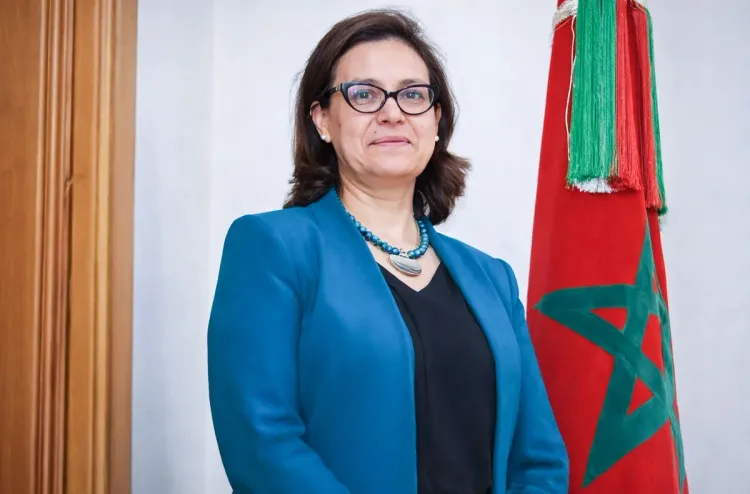

Under the enlightened leadership of His Majesty King Mohammed VI, Morocco continues to pursue an ambitious strategy placing youth at the center of its national development project and its engagement in Africa. This was affirmed on Monday in Addis Ababa by Morocco’s Ambassador to Ethiopia and Djibouti, Nezha Alaoui M’hammdi, during the opening of a forum held on the occasion of the International Day of La Francophonie 2026.
Speaking on the theme “Generation Peace? Youth Contribution to a More Peaceful World,” the diplomat emphasized that Morocco considers youth a key strategic resource for building inclusive, resilient, and peaceful societies. In this regard, the Kingdom has implemented several public policies aimed at empowering young people, particularly through education, vocational training, entrepreneurship, and innovation.
She also highlighted the reforms undertaken to encourage youth participation in public life and promote civic engagement. According to her, this commitment extends far beyond the national level. Since rejoining the African Union, Morocco has been actively strengthening African cooperation, particularly in the fields of education, training, youth entrepreneurship, and peacebuilding.
Today, thousands of African students are pursuing their studies in Moroccan universities and training institutes, contributing to the emergence of a new generation of leaders committed to the continent’s development. For Ms. Alaoui M’hammdi, this policy reflects a deep conviction: investing in African youth means investing in peace, stability, and prosperity across the continent.
In Africa, where young people represent a significant share of the population, they constitute a major demographic, social, and political force, driving innovation, civic initiatives, and new forms of public engagement. The diplomat stressed that youth are already actively contributing to conflict prevention, community mediation, intercultural dialogue, and social cohesion.
However, she noted that recognizing the central role of youth is not enough. It is essential to create the conditions that enable their effective participation in decision-making processes and governance dynamics. This includes improving access to education and economic opportunities, encouraging their involvement in dialogue and mediation spaces, supporting their peacebuilding initiatives, and promoting responsible and constructive use of digital tools and social media.
“Empowering young people means investing in stability, peace, prosperity, and the future of our societies,” she concluded.
The forum, organized in partnership with international institutions, aims to foster strategic dialogue between institutions, diplomats, and young leaders in order to identify ways to strengthen youth contributions to peace, social cohesion, conflict prevention, and democratic governance.