






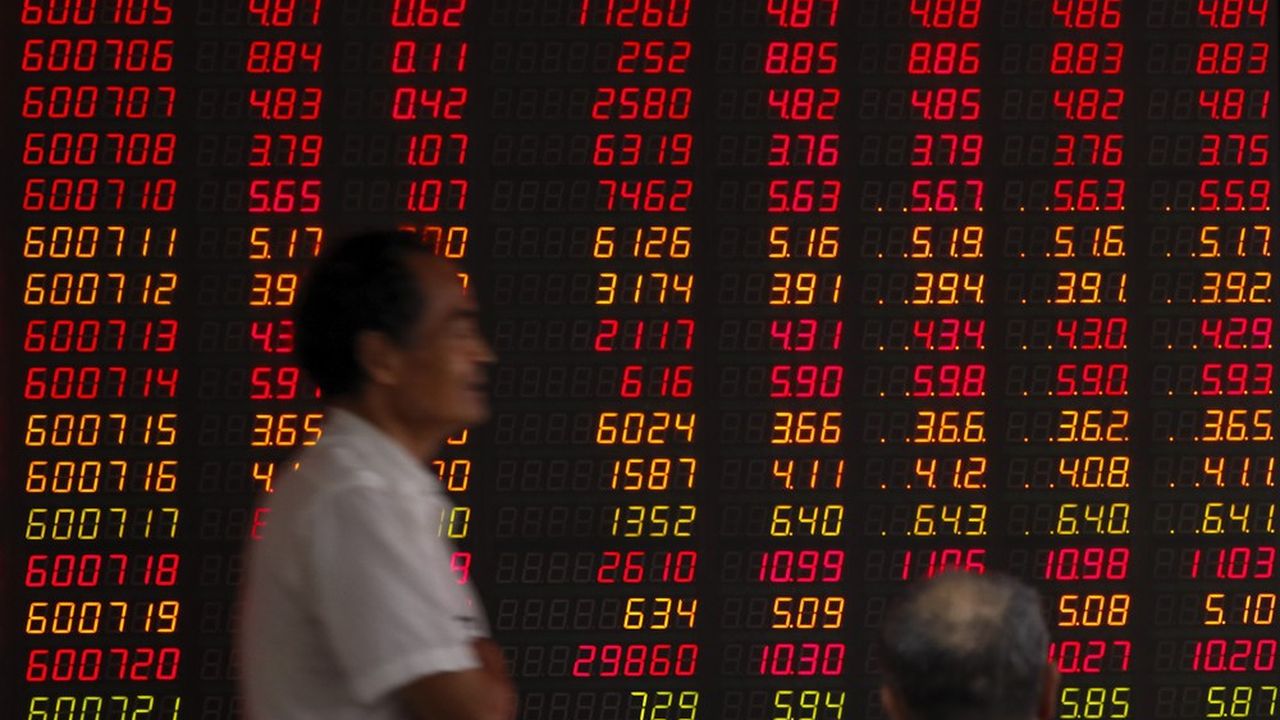

Asian stock markets opened sharply lower on Monday, weighed down by a renewed surge in oil prices, with the U.S. benchmark climbing back above the $100 mark.
At the opening, the Shanghai Composite index fell by 0.75%, while the Hang Seng dropped 1.68% and the Straits Times Index declined 0.88%, reflecting a broad-based downturn across the region.
In Tokyo, the Nikkei 225 plunged by more than 5% in early trading before narrowing its losses to around 4.57%. Seoul followed suit, with the Kospi down 3.13%, while Sydney’s market slipped 0.9%, confirming a widespread sell-off.
The decline comes against a backdrop of escalating geopolitical tensions. The conflict in the Middle East, now entering its second month, continues to weigh heavily on investor sentiment. The expansion of hostilities by Houthi rebels and concerns over a potential U.S. ground intervention are fueling risk aversion.
On the oil markets, pressure remains strong. The WTI jumped to as high as $103.13 per barrel before stabilizing around $101.73. Meanwhile, the Brent rose to $115.49 after hitting an intraday peak of $115.93.
The impact of rising energy prices is already rippling through global markets. It is stoking inflation expectations and reinforcing bets on tighter monetary policy by major central banks, a combination that tends to weigh on risk assets.
Gold, typically seen as a safe-haven asset, is struggling to gain strong momentum. The precious metal edged up slightly to $4,504 per ounce, remaining below its recent highs as expectations of rising interest rates continue to limit its appeal.