




Morocco’s public finance position continued to improve during the first seven months of 2026. The budget deficit stood at MAD 48.2 billion at the end of July, compared with approximately MAD 53.7 billion during the same period in 2025, representing an improvement of nearly MAD 5.5 billion. Higher revenues, particularly tax revenues, are directly supporting this trend.
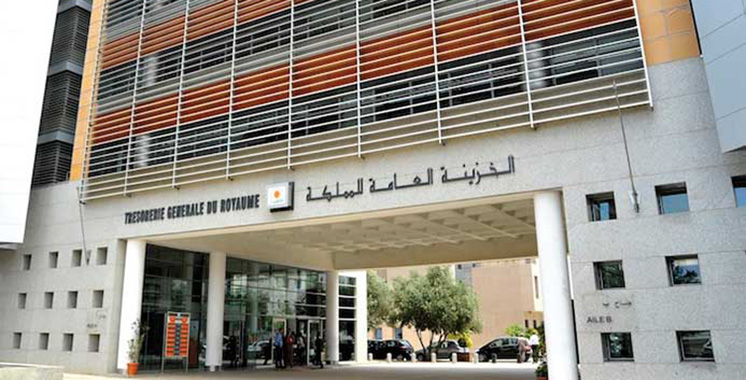
At the end of July 2026, Morocco’s public finances showed a more favorable trajectory than a year earlier. According to data from the Kingdom’s General Treasury, the Treasury deficit stood at MAD 48.2 billion, compared with approximately MAD 53.7 billion at the end of July 2025, representing an improvement of around MAD 5.5 billion year-on-year. This trend comes as the State continues to finance public investment, social policies and major infrastructure projects simultaneously. Ordinary revenues reached MAD 261 billion, up 8.3% year-on-year. This performance was largely driven by tax revenues, which reached MAD 237.1 billion, representing an increase of 12.9%.
Tax revenue growth has therefore become the main driver of the improvement in public resources. The increase reflects, among other factors, the expansion of the tax base, improved collection and stronger tax-control and digitalization mechanisms. The rise in revenues also comes as several tax measures included in the 2026 Finance Law begin to take effect.
A Fiscal Trajectory Under Close Monitoring
The government maintains its strategic objective of gradually reducing the public deficit to around 3% of GDP. The results recorded by the end of July are positive, but they do not mean that fiscal constraints have disappeared. Public expenditure remains high, particularly because of investment, social programs and the cost of support policies.
The Treasury’s financing needs have also declined compared with the previous year, helping to reduce pressure on the domestic market and preserve the economy’s financing capacity. However, the international environment remains a risk factor. Energy prices, geopolitical tensions, international financial conditions and the evolution of imports can quickly affect public-finance balances. The increase in tax revenues is therefore positive news for the government, but it also raises questions about the sustainability of the tax burden on businesses and households.
For 2026, the challenge will be to maintain this momentum while protecting productive investment. Morocco intends to continue its major industrial, logistics and infrastructure programs while keeping the deficit under control. The first seven months of the year demonstrate that revenue mobilization has become a central component of the country’s economic strategy. This trend is part of a broader transformation of Morocco’s tax system, based on greater digitalization, traceability and control.