




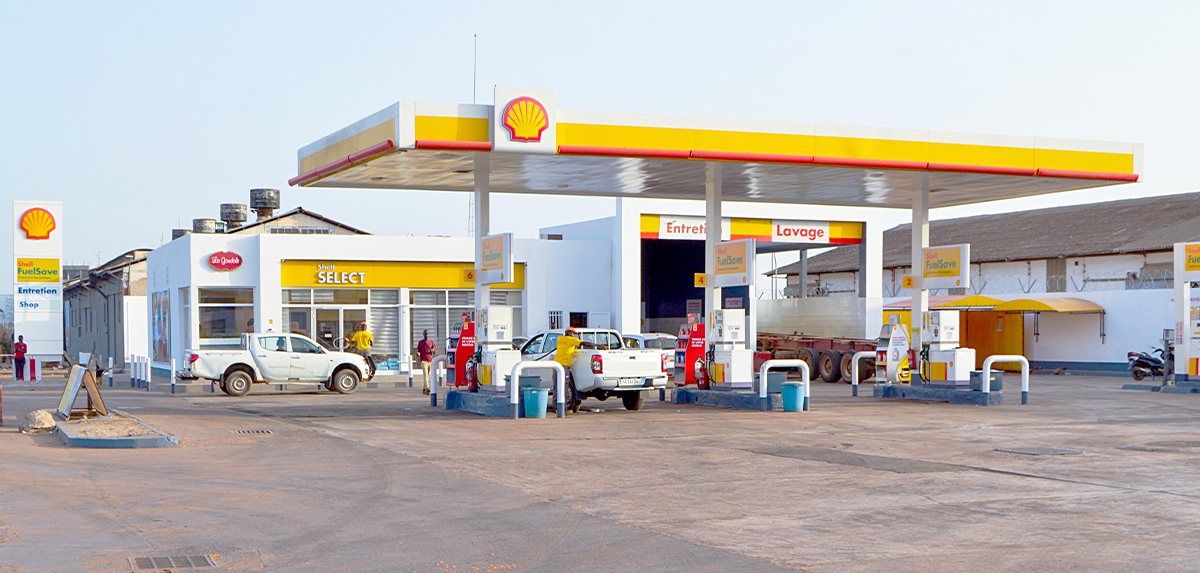

Super petrol rises to 990 CFA francs per litre and diesel to 755 CFA francs from August 15, 2026. The government cites soaring international oil prices and the growing cost of fuel subsidies.
A 70 to 75 CFA Franc Increase per Litre
The Senegalese government has decided to adjust petroleum product prices effective Saturday, August 15, 2026. The price of super petrol is now set at 990 CFA francs per litre, an increase of 70 CFA francs, while diesel rises to 755 CFA francs per litre, up by 75 CFA francs. Prices for other petroleum products remain unchanged. The decision comes against a backdrop of sharply rising international oil prices, particularly as a result of the conflict in the Middle East.
International Oil Prices Under Pressure
According to the Ministry of Energy and Petroleum, between July 13 and August 15, 2026, actual diesel and super petrol prices increased by 26.6% and 12%, respectively, compared with the reference period used for the July 18 price structure. Since the outbreak of the conflict in the Middle East, the increases have reached 69% for diesel and 61% for super petrol. This sharp rise is putting direct pressure on Senegal’s fuel supply costs.
More Than CFAF 245 Billion in Subsidies
The cost of public support for petroleum products is also at the heart of the decision. Since the beginning of the year, subsidies allocated to the downstream petroleum sector alone are estimated at more than CFAF 245 billion. Without a new price adjustment, cumulative subsidies borne by the supply chain would have reached approximately CFAF 47.27 billion between August 15 and September 12, 2026.
A Return to Pre-December 2025 Prices
With this decision, the government is bringing automotive fuel prices back to the levels that were in effect before the December 6, 2025 price reduction. Super petrol therefore returns to 990 CFA francs per litre, while diesel reaches 755 CFA francs. The objective is to reflect the new reality of international markets while limiting the accumulation of costs associated with the fuel price support mechanism.
An Impact Across the Economy
The impact of the increase will extend beyond motorists. Diesel is an essential input for transport, logistics, agriculture, fisheries and industry. An increase of 75 CFA francs per litre could raise operating costs for businesses and gradually affect the prices of certain goods and services. Transport operators and industrial companies will be particularly exposed to this new pressure on operating costs.
The Dilemma Between Purchasing Power and Public Finances
The decision highlights the difficult trade-off facing the authorities: protecting household purchasing power while controlling the cost of subsidies and preserving the country’s financial balances. Maintaining artificially low prices when international oil prices rise sharply can place a significant burden on public finances. Conversely, higher fuel prices can increase production costs and contribute to inflationary pressures.
A Strategic Challenge for Competitiveness
For Senegal, the issue now goes beyond fuel prices at the pump. It raises the broader question of the country’s ability to reduce its vulnerability to international energy shocks. As Senegal pursues its industrial ambitions, develops infrastructure and seeks to strengthen its competitiveness, energy costs are becoming a decisive factor for businesses and investors.
The 70 CFA franc increase for super petrol and 75 CFA franc increase for diesel therefore marks a new stage in the adjustment of Senegal’s petroleum market. In the short term, the key challenge will be to assess its impact on households, businesses and consumer prices. In the longer term, Senegal will need to build an economy that is less exposed to fluctuations in global oil markets and better equipped to sustainably finance its economic transformation.