



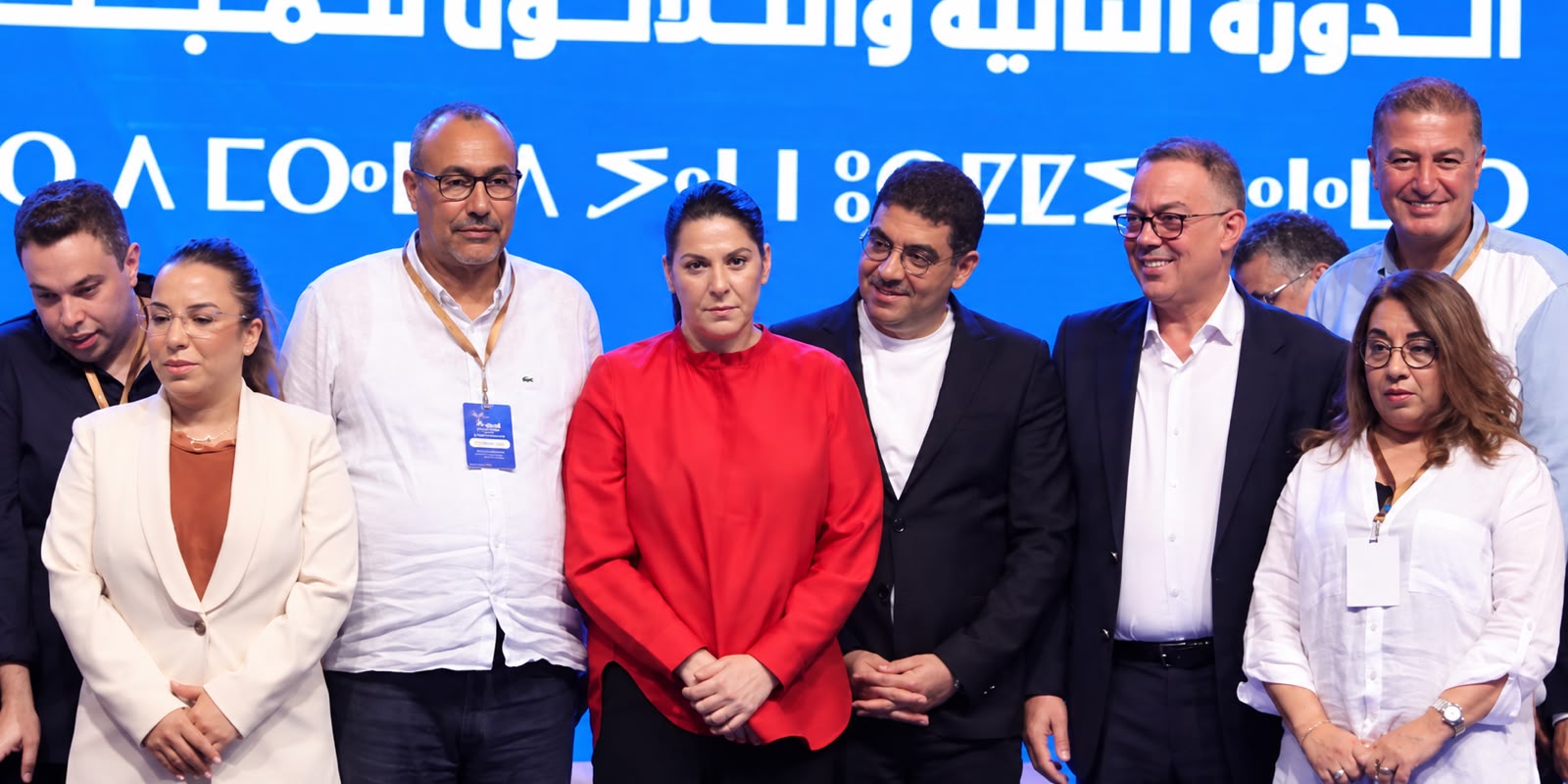

Interior Minister Abdelouafi Laftit announced that the provisional results of the vote count in the 23 September 2026 legislative elections give the Authenticity and Modernity Party (PAM) the lead with 97 seats.
The National Rally of Independents (RNI) comes in second with 66 seats, followed by the Istiqlal Party (65 seats), the Justice and Development Party (54 seats), the Popular Movement (29 seats), the Socialist Union of Popular Forces (26 seats), the Party of Progress and Socialism (19 seats), the Constitutional Union (17 seats), the Democratic and Social Movement (8 seats), the Left Alliance (8 seats), the Front of Democratic Forces (2 seats), the Equity Party (2 seats), the New Democrats Party (1 seat) and the Unity and Democracy Party (1 seat).
Turnout down, strong mobilisation in the South
National turnout reached 38.08% of the electorate, compared with 50.86% in 2021 and 42.27% in 2016, with nearly 6 million voters taking part in the poll. The southern provinces recorded high participation: 77% in Laâyoune–Sakia El Hamra, 53.48% in Guelmim–Oued Noun and 61% in Dakhla–Oued Eddahab, which the minister cited as evidence of residents’ attachment to their Moroccan identity and engagement with representative institutions.
“Good and normal” polling, 3,006 observers
Mr Laftit said voting proceeded under “good and normal” conditions across the country, apart from isolated incidents that did not affect the overall process, thanks to the mobilisation of authorities, polling-station staff, party and candidate representatives, and voters’ sense of responsibility.
A total of 3,006 observers monitored the process, including 2,023 from civil-society associations, 783 from the National Council for Human Rights (CNDH) and 200 foreign observers representing NGOs and international and regional bodies from Africa, Europe, North America, Latin America and the Middle East.
15.8 million registered voters, 40,694 polling stations
The final electoral roll was set at 15.8 million voters after efforts to update and clean up the lists. To bring polling stations closer to voters, 40,694 polling stations were established, overseen by around 3,931 central bureaux, an average of about 11 polling stations per central bureau.
28 parties, 7,277 candidates, 37% women
Twenty-eight political formations, including one alliance of two parties, submitted 1,847 lists for local and regional legislative constituencies, totaling 7,277 candidacies, or a national average of more than 18 candidates per seat. Female candidacies reached 2,659, about 37% of the total, including 1,783 at regional level and 876 at local level, of which 120 were heads of local lists.
Intense campaign: 21,000 initiatives, 1.5 million participants
The election campaign saw a remarkable political and communication drive, with around 21,000 party-organised initiatives drawing nearly 1.5 million participants, an average of 115,000 per day, figures not seen in previous elections. Ground tours were the most used format, with about 730,000 participants, followed by electoral rallies (407,000 participants).
Infractions handled in line with the law
Infractions and complaints recorded during the campaign were dealt with in accordance with the law, with cases suggesting unlawful acts referred to the competent authorities, without isolated incidents affecting the overall integrity of the process.
Mr Laftit congratulated all candidates on the trust placed in them by voters, praised citizen participation and paid tribute to judicial, territorial and security authorities, polling-staff, party representatives, observers and the media for their contribution to the smooth running of the election. He concluded that while elections produce winners, “Moroccan democracy remains the big winner of this stage”, given the dynamism, maturity and capacity for institutional renewal demonstrated within a framework of stability, pluralism and respect for the popular will.