



Morocco’s strong growth momentum is expected to continue in 2026, supported by public and private investment as well as robust agricultural production, according to the International Monetary Fund (IMF).
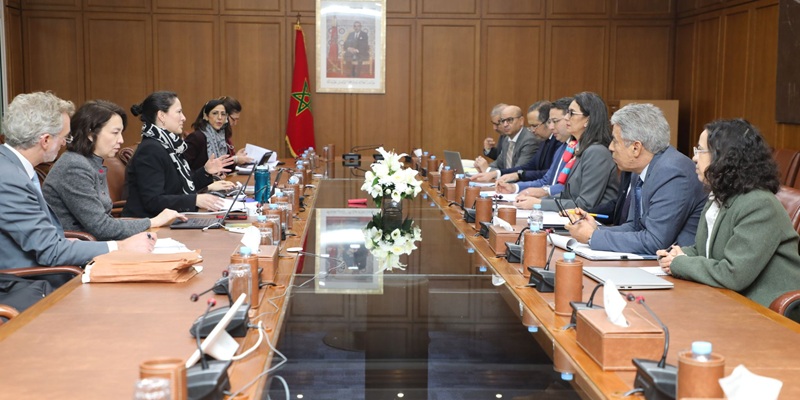
In a statement issued Thursday at the conclusion of an Article IV consultation mission conducted from January 29 to February 11, the IMF noted that economic growth in 2025, estimated at 4.9%, was driven by the strong performance of agriculture, construction, and services. This momentum is projected to continue in 2026, with growth forecast to remain at 4.9%, supported by exceptional rainfall boosting agricultural output.
The IMF highlighted that solid revenue performance, combined with a reprioritization of expenditures, would help create fiscal space to increase investment in human capital and rebuild fiscal buffers.
Inflation averaged 0.8% in 2025, reflecting low food price pressures, and is expected to gradually rise to around 2% by mid-2027, supported by previous policy rate cuts and strengthening economic activity.
Given the high import content of increased public investment, the current account deficit is expected to widen moderately, despite higher tourism revenues. It is projected to be partly financed by rising foreign direct investment (FDI), while international reserves remain at an “adequate” level.
Tax revenues reached 24.6% of GDP in 2025, marking a significant increase over the past two years due to recent tax policy reforms and improved revenue administration. The central government deficit narrowed to 3.5% of GDP, compared with 3.8% projected in the 2025 budget.
The IMF recommended saving at least part of the revenue overperformance to further strengthen fiscal buffers, alongside continued investment in education, healthcare, and social protection.
The mission also stressed the need to accelerate structural reforms, particularly those aimed at improving the performance and governance of state-owned enterprises to foster competition and ensure market neutrality.
With inflation well contained, the IMF considers the broadly neutral monetary policy stance appropriate and encouraged Bank Al-Maghrib to continue its transition toward greater exchange rate flexibility as it advances toward inflation targeting.
Finally, the IMF underscored that sustainable job creation remains a major challenge, requiring reforms to foster a more dynamic private sector and improve labor market responsiveness.