




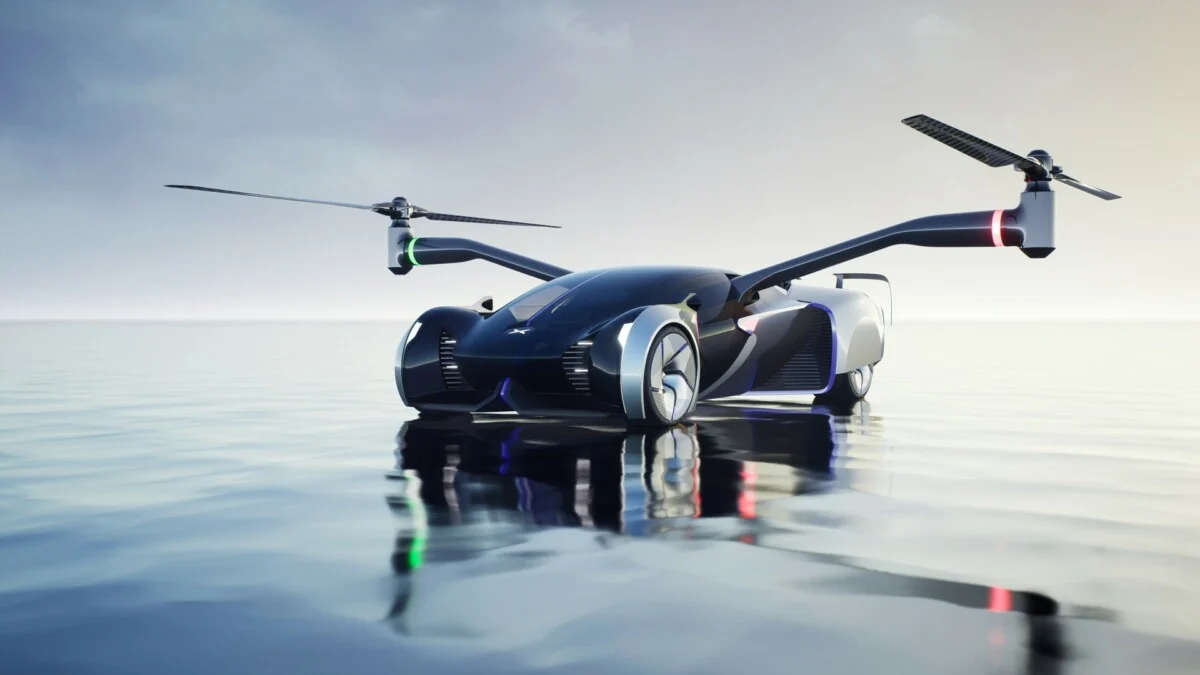

Chinese electric vehicle maker Xpeng is stepping up its push into next-generation mobility. Its president, Brian Gu, announced that the company aims to begin mass production of flying cars by 2027, while also preparing to roll out humanoid robots starting in late 2026.
The group has already secured more than 7,000 pre-orders for its vertical takeoff vehicles, mainly in China, where it is still awaiting regulatory approval from civil aviation authorities. This step will be key to moving into large-scale production.
At the same time, Xpeng plans to launch robotaxi trials this year in Guangzhou, with the goal of expanding autonomous mobility solutions more broadly. The year 2027 is seen as a strategic milestone, with global testing expected to be carried out alongside international partners.
In the medium term, production of flying cars could reach several hundred to several thousand units within 12 to 18 months after industrial launch.
The company is also investing heavily in humanoid robotics, initially targeting service and reception roles. Over the longer term, Xpeng believes its robotics division could surpass its automotive business in scale.
On the industrial front, the company is strengthening international partnerships, notably with Volkswagen, with which it recently began mass production of a jointly developed electric model.
Already present in around 60 countries, Xpeng currently generates about 10% of its sales abroad and aims to increase international revenue to more than 50% within the next five to ten years.