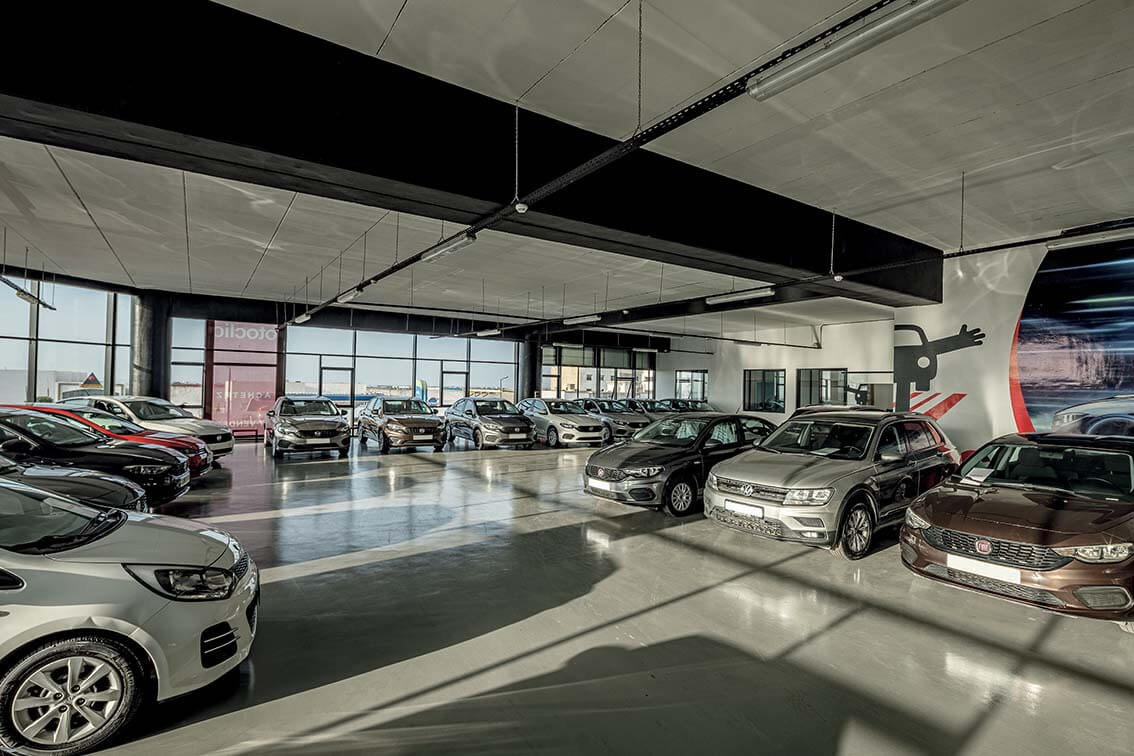
Morocco’s automotive market continued its remarkable recovery in 2026, building on the record performance achieved in 2025. After reaching an all-time high of 235,372 new vehicle registrations last year, the sector maintained its strong growth momentum during the first half of 2026, setting yet another record. According to statistics published by the Association of Vehicle Importers in Morocco (AIVAM), 131,748 new vehicles were sold between January and June 2026, representing an increase of 17.6% compared with the 112,026 units sold during the same period in 2025.
The month of June 2026 alone illustrates this positive trend, with 27,193 vehicles sold, up 16.72% compared with June 2025. It was the strongest monthly performance since the beginning of the year, highlighting robust demand from both individual consumers and businesses.
The Passenger Vehicle (PV) segment remained the main driver of the market. By the end of June, 116,802 passenger cars had been registered, accounting for nearly 88.7% of total vehicle sales, an annual increase of 17.6%. The Light Commercial Vehicle (LCV) segment also delivered an outstanding performance, with 14,946 units sold, up 17.5% year-on-year. This reflects renewed investment by businesses, artisans, and professional operators. LCVs now account for 11.3% of Morocco’s automotive market.
This sustained growth is the result of several converging factors. The gradual easing of global supply chain disruptions has significantly improved vehicle availability. More competitive promotional offers from dealerships, improved access to bank financing, lower inflation, and resilient household demand have also contributed to the market’s expansion. In addition, Morocco’s solid economic performance—supported by the recovery of tourism, increased investment, and strong industrial activity—has further strengthened consumer confidence.
One of the most significant developments during the first half of the year has been the rapid expansion of electrified vehicles. Hybrid and fully electric models now represent 16.8% of passenger car registrations, compared with approximately 10% a year earlier, confirming the acceleration of Morocco’s energy transition within the automotive sector. This trend has been driven by broader product offerings from manufacturers, continuous technological improvements, lower operating costs, and growing consumer interest in more sustainable mobility solutions.
Another notable trend is the rapid rise of Chinese automotive brands, which are steadily reshaping Morocco’s competitive landscape. By the end of June 2026, 21 Chinese brands had registered a combined 13,148 passenger vehicles, representing an 11.3% market share, compared with only 4.8% one year earlier. This remarkable growth has been fueled by competitive electric and hybrid vehicle offerings, attractive pricing strategies, and significant improvements in product quality.
Despite this growing competition, the market’s traditional leaders continue to dominate. Dacia remains Morocco’s undisputed market leader, followed by Renault, Peugeot, Hyundai, Volkswagen, Citroën, Toyota, Fiat, Kia, and BMW. At the same time, several emerging Asian manufacturers are steadily increasing their market share through aggressive commercial strategies and expanding product portfolios.
The outlook for the second half of 2026 remains highly positive. Continued economic growth, shorter vehicle delivery times, improved financing conditions, investments linked to major national infrastructure projects, and preparations for the 2030 FIFA World Cup are expected to sustain automotive demand. Industry professionals believe that Morocco’s automotive market could exceed 250,000 new vehicle registrations by the end of the year, setting another all-time record after the exceptional performance achieved in 2025.
Beyond the impressive figures, the first half of 2026 confirms the profound transformation of Morocco’s automotive market. The rapid electrification of the vehicle fleet, the arrival of new international manufacturers, changing consumer preferences, and the strengthening purchasing power of certain household segments are gradually reshaping the industry’s landscape. In this context, Morocco is consolidating its position as one of Africa’s most dynamic automotive markets, while reinforcing its role as a major industrial platform through its growing manufacturing capacity and export capabilities serving Europe, the Middle East, and the African continent.