




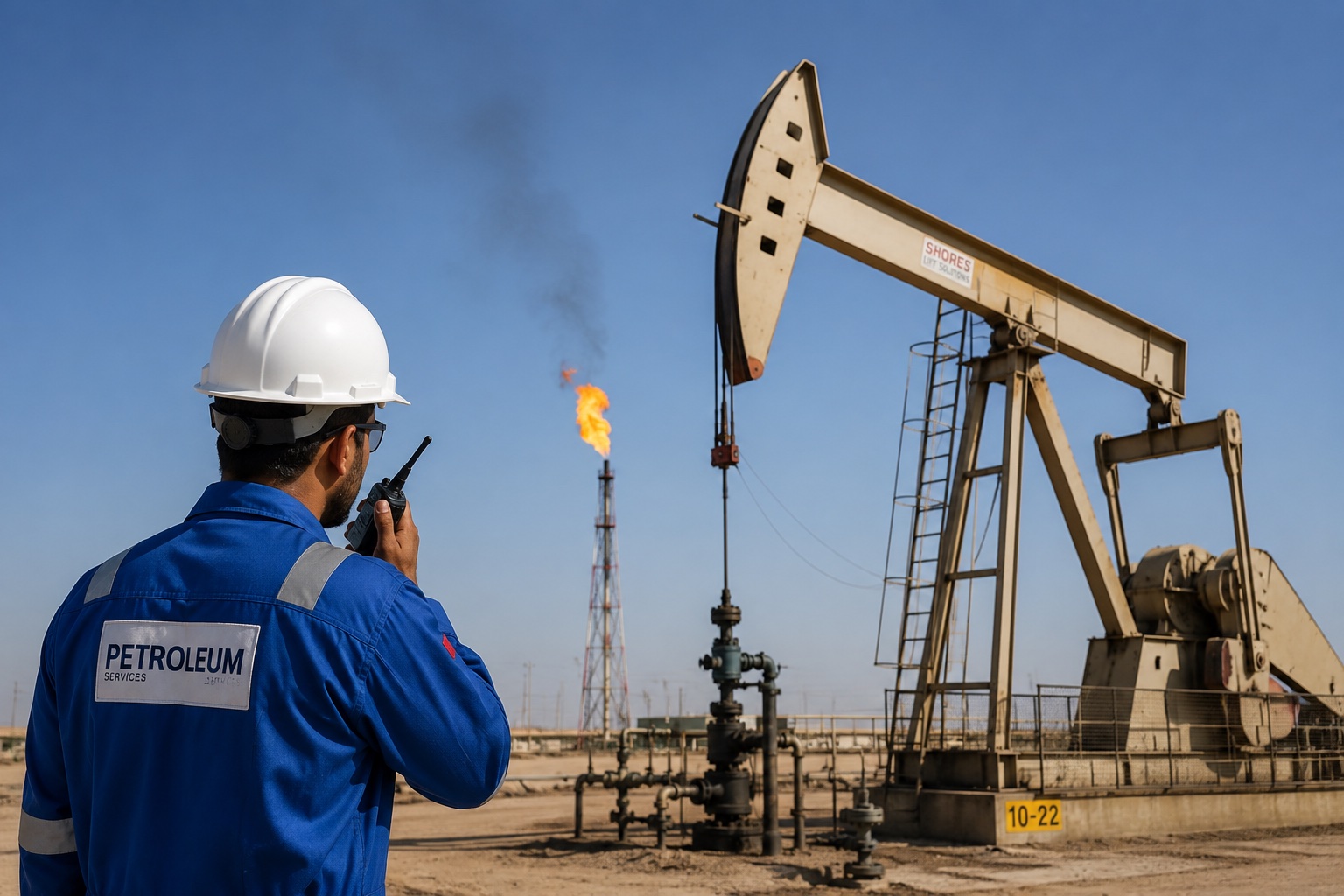
Oil markets begin the week of July 20 under significant pressure. Brent crude is trading around $89–90 per barrel, while West Texas Intermediate (WTI) remains above $83 per barrel, supported by growing concerns over global oil supplies.
Geopolitical tensions in the Middle East, potential disruptions to shipping through the Strait of Hormuz and uncertainty surrounding global production continue to fuel a substantial geopolitical risk premium in oil prices. Market participants are also closely monitoring U.S. crude inventories, possible OPEC+ policy decisions, U.S. shale production and the outlook for global oil demand. Rising energy prices continue to reinforce inflation expectations and could influence upcoming monetary policy decisions by major central banks.
Throughout the week, oil markets are expected to remain highly sensitive to any diplomatic or military developments in the Gulf region. Should geopolitical tensions intensify, Brent crude could move sustainably above the $90 threshold, with prices potentially reaching $92–95 per barrel.
Conversely, any signs of de-escalation or an increase in global supply could trigger a technical correction in oil prices. Nevertheless, analysts believe that medium-term market fundamentals remain relatively balanced thanks to robust global production and more moderate demand growth. Volatility is therefore expected to remain elevated throughout the week, making crude oil one of the world’s key barometers of economic and geopolitical risk.