




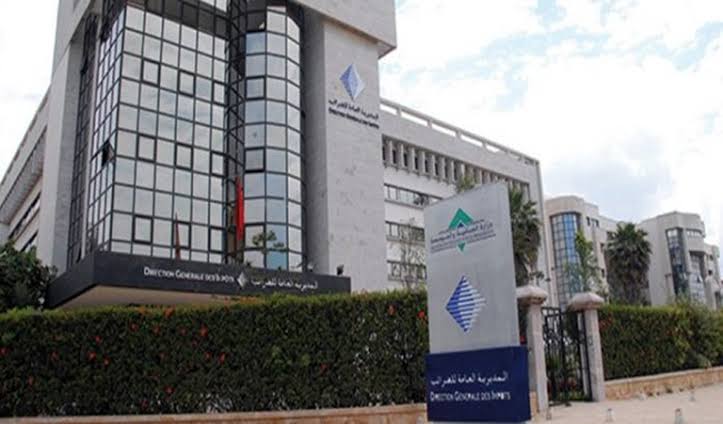
The 2027 Finance Bill (PLF 2027) marks a new milestone in the modernization of Morocco’s tax system. Following a series of reforms implemented over the past several years, the government aims to consolidate these achievements by establishing a tax framework that is more efficient, fairer, and increasingly geared toward supporting economic growth.
The main policy directions presented to Parliament reflect the authorities’ determination to strengthen state revenues while improving the business environment and enhancing the Kingdom’s attractiveness to investors.
One of the primary objectives of the upcoming budget is to broaden the tax base in order to mobilize additional public resources without significantly increasing the tax burden on taxpayers already integrated into the system. This strategy seeks to accelerate the formalization of the informal sector, improve tax compliance, and ensure greater fairness among economic operators. Expanding the taxable base has become a key instrument for securing sustainable financing for public policies.
The government is also continuing the digital transformation of the tax administration, which has become a cornerstone of the reform agenda in recent years. The widespread adoption of electronic tax filings, the digitalization of administrative procedures, the expansion of online platforms, and stronger interconnectivity among public institutions will improve the quality of services provided to taxpayers while enhancing the efficiency of tax audits. The use of digital data has become a strategic tool for detecting irregularities and combating fraudulent practices.
Combating tax fraud and tax evasion remains one of the key priorities of the PLF 2027. The authorities intend to strengthen control mechanisms, improve the traceability of economic transactions, and deepen cooperation among tax, customs, and financial administrations. The objective is to ensure fairer competition among businesses while safeguarding government revenues in a context of growing public investment financing needs.
The reform of the Value Added Tax (VAT) also occupies a prominent place in the budget discussions. The government plans to continue the gradual harmonization of VAT rates, simplify implementation mechanisms, and accelerate VAT refund procedures for businesses. This reform is particularly welcomed by the private sector, which considers faster VAT reimbursements a critical factor for improving corporate cash flow and enhancing competitiveness.
Corporate taxation will also continue to evolve in order to provide a more stable, transparent, and internationally aligned tax framework. The proposed measures are designed to encourage productive investment, innovation, industrial development, and the creation of skilled jobs. The government therefore intends to support strategic sectors such as manufacturing, renewable energy, the digital economy, automotive, aerospace, logistics, and advanced technologies.
These fiscal policy orientations form part of a broader economic strategy aimed at preserving macroeconomic stability while maintaining a high level of public investment. Major infrastructure projects, advanced regionalization programs, investments related to the energy transition, as well as preparations for major international events, will continue to require substantial financial resources in the coming years.
The PLF 2027 is also supported by favorable economic prospects, with stronger growth expected thanks to the recovery of several strategic sectors, sustained export performance, continued industrial expansion, and rising private investment. The government aims to reinforce this momentum by strengthening investor confidence, further improving the business climate, and continuing the structural reforms initiated under the New Development Model.
Beyond its budgetary function, the 2027 Finance Bill stands as a genuine instrument of economic transformation. By combining tax modernization, digitalization of public services, stronger action against tax fraud, investment support, and fiscal discipline, Morocco reaffirms its commitment to building a more efficient and inclusive tax system capable of sustaining the country’s economic transformation and enhancing its competitiveness in both regional and global markets.