



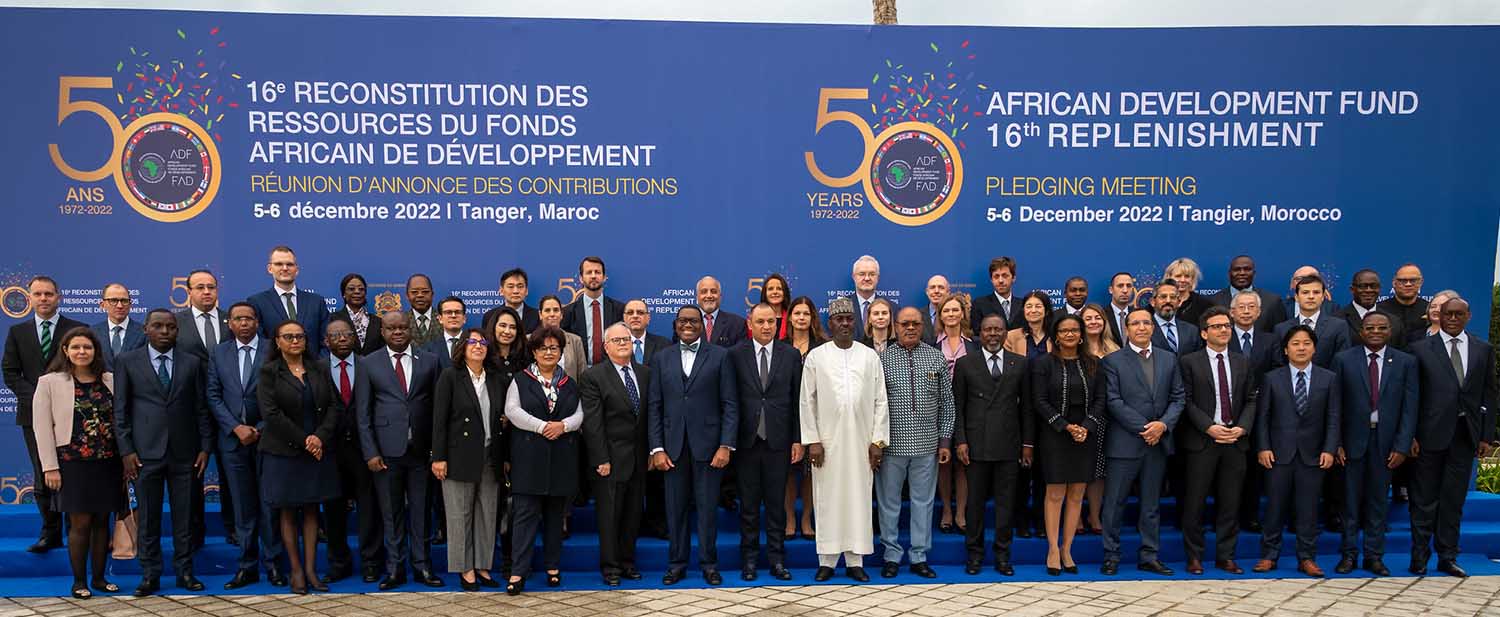

Africa’s industrialization agenda has taken a significant step forward with the approval of a US$3.48 million grant by the African Development Fund (ADF) to support Cameroon, Chad, Comoros, Madagascar, and Togo in strengthening their industrial and trade policies. The program will be implemented by the African Union Development Agency (AUDA-NEPAD) as part of the African Union’s Agenda 2063, the African Continental Free Trade Area (AfCFTA), and the Accelerated Industrial Development for Africa (AIDA) initiative.
The objective of this program is to help these countries design more effective industrial policies based on reliable data, stronger economic governance, and a more attractive regulatory environment for investment.
The initiative includes technical assistance to improve industrial statistics, strengthen public institutions, modernize regulatory frameworks, develop more investment-friendly tax policies, and promote the local processing of raw materials. Ultimately, the program aims to help participating countries integrate more effectively into regional and global value chains while increasing the contribution of manufacturing to their economies.
Countries with Strong Industrial Potential
Together, the five beneficiary countries represent nearly 92 million people and a combined Gross Domestic Product (GDP) exceeding US$100 billion.
Cameroon, the largest economy in the Central African Economic and Monetary Community (CEMAC), has a GDP of more than US$55 billion. Industry accounts for approximately 25% of GDP, driven by agro-processing, timber, cement, aluminum, hydrocarbons, and agricultural processing. The country aims to become a major industrial hub for Central Africa.
Togo, with a GDP exceeding US$10 billion, is pursuing an ambitious industrialization strategy centered on the Adétikopé Industrial Platform (PIA), the Port of Lomé—West Africa’s leading transshipment port—and the development of phosphate, clinker, textile, and agro-industrial value chains. Industry contributes around 20% of the country’s GDP and is one of its main engines of economic growth.
Madagascar, with a population approaching 32 million, has a manufacturing sector based primarily on textiles, mining, vanilla processing, cocoa, coffee, cloves, and seafood products. The country also possesses significant reserves of nickel, cobalt, graphite, and rare earth minerals, offering substantial opportunities for the development of new industrial sectors.
Chad, whose GDP is estimated at around US$14 billion, remains heavily dependent on oil exports. However, the country is seeking to diversify its productive base by developing agro-processing, construction materials, livestock value chains, and agricultural processing industries in order to reduce its dependence on crude oil revenues.
The Comoros, with a population of nearly 900,000, are focusing on agro-processing, fisheries, essential oils—particularly ylang-ylang—vanilla production, and services to create greater domestic value added and reduce dependence on imports.
Industrialization: Africa’s Key Driver of Sustainable Growth
The program comes at a time when Africa is accelerating its industrialization strategy to locally process its abundant natural resources. The continent holds approximately 30% of the world’s mineral reserves, 40% of global gold reserves, nearly 90% of global chromium and platinum reserves, as well as major deposits of cobalt, manganese, copper, bauxite, lithium, and graphite—minerals that are critical to battery manufacturing and the global energy transition.
Despite these enormous advantages, manufacturing still accounts for only 10–11% of Africa’s GDP, compared with more than 20% in many emerging Asian economies. Furthermore, over 75% of African exports consist of raw or minimally processed commodities, limiting value creation, tax revenues, industrial employment, and technological development.
The African Continental Free Trade Area (AfCFTA) now brings together 54 countries, creating the world’s largest free trade area by number of participating nations, with a market of more than 1.4 billion people and a combined GDP exceeding US$3.4 trillion. According to international institutions, full implementation of the AfCFTA could increase intra-African trade by more than 50% over the coming years while fostering regional value chains and attracting greater industrial investment.
Although the program’s US$3.48 million budget is relatively modest, its true value lies in strengthening industrial governance, institutional capacity, and the business environment needed to attract much larger private investments. In the medium term, the initiative is expected to help the five participating countries mobilize hundreds of millions of dollars in new industrial investments, improve their competitiveness, and capitalize more effectively on the opportunities created by the AfCFTA.
More broadly, the program reflects the growing commitment of African institutions to make industrialization the primary engine of job creation, economic diversification, productive transformation, and sustainable development across the continent. By strengthening industrial policy frameworks today, these countries are laying the foundations for a more resilient, competitive, and value-added African economy tomorrow.