

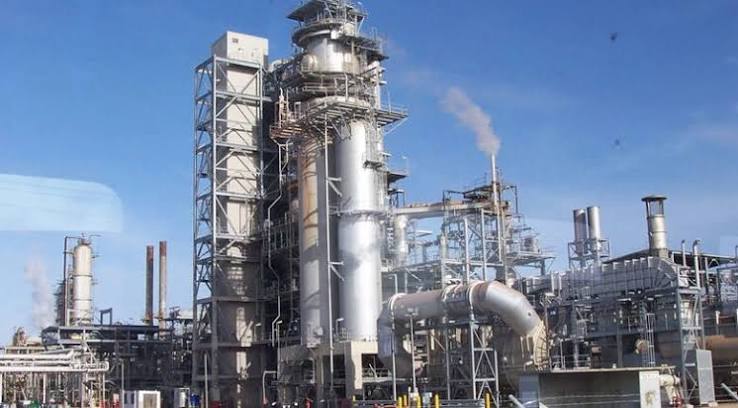

Morocco’s oil refining sector is entering a decisive phase, forcing the country to reconsider its energy security and the future of its petroleum industry. Since the shutdown of the SAMIR refinery in Mohammedia, Morocco has become increasingly dependent on imports of refined petroleum products, while domestic fuel demand remains significant. In 2026, the issue is no longer simply whether a refinery should be restarted, but whether Morocco can develop a modern and competitive refining system capable of strengthening supply security and increasing industrial value added.
Morocco has a long history in oil refining. Founded in 1959, SAMIR’s Mohammedia refinery became over the decades one of the country’s most important industrial energy facilities. The refinery historically had a crude-oil processing capacity of around 6.25 million tonnes per year, supported by industrial units dedicated to distillation, catalytic reforming, LPG processing, desulfurization and lubricants production.
This industrial legacy gives Morocco significant accumulated expertise in refining and petroleum logistics. The location of Mohammedia, close to ports, road and rail networks and major consumption centers, also represents an important logistical advantage for any future refining project.
A Petroleum Market of Nearly 13 Million Tonnes
The size of the Moroccan market is one of the key elements in the debate over the future of refining. According to data from Morocco’s Ministry of Energy Transition and Sustainable Development, the country’s petroleum-products market reached approximately 12.867 million tonnes in 2026, including diesel, gasoline, jet fuel, fuel oil, propane and butane.
This level of demand provides a significant consumption base for any future refining capacity. At the same time, it means that supply security remains closely linked to international market conditions, crude-oil prices, refining margins, maritime freight costs and exchange rates.
Morocco has sought in recent years to diversify import sources and strengthen infrastructure for receiving and storing petroleum products. However, importing refined products is economically and industrially different from importing crude oil and processing it domestically, since part of the value generated by refining remains outside the national economy.
SAMIR: The Central Issue
The SAMIR refinery in Mohammedia remains at the heart of the debate over Morocco’s refining future. Restarting the facility, however, is not merely a technical matter. Any decision would require an assessment of the investment needed to rehabilitate and modernize the facilities, their compliance with current environmental and technological standards, financing arrangements, governance and the refinery’s ability to compete with international facilities.
Several scenarios could therefore be considered, including rehabilitation of the existing refinery, comprehensive modernization, the establishment of a new industrial partnership or the development of modern refining capacity under a different project structure.
The decision would depend not only on domestic demand, but also on the evolution of global energy markets, investment costs, international refining margins and the ability to secure competitive and reliable crude-oil supplies.
From Refining to an Integrated Industrial System
If Morocco develops a new refining strategy, it could go beyond the production of gasoline and diesel and build a more integrated industrial platform covering petrochemicals, lubricants, bitumen, aviation and marine fuels, storage and logistics.
Such an approach could increase domestic value added and create new opportunities for engineering companies, maintenance providers, industrial services, transportation and storage operators. It could also support the development of specialized skills in refining and petrochemical industries.
At the same time, the global energy transition presents an additional challenge. A refinery that is competitive today must anticipate tighter environmental standards, the development of lower-emission fuels and the gradual expansion of electric mobility and renewable energy.
Renewable Energy Opens a New Path
Morocco also has an opportunity to connect any future refining strategy with its broader energy-transition agenda. The expansion of renewable electricity generation, together with the development of green hydrogen and its derivatives, could eventually create industrial complexes combining conventional energy with low-carbon energy sources.
This transition does not mean that petroleum products will disappear rapidly. Aviation, maritime transport, industry, road transportation and many economic activities will continue to require petroleum products in the coming years. This makes supply security and strategic stock management particularly important.
A Strategic Decision Beyond SAMIR
The question facing Morocco in 2026 therefore goes beyond the future of SAMIR. It concerns the broader energy and industrial model the Kingdom intends to pursue over the coming decades.
Morocco has a strategic geographic location, developed port and logistics infrastructure, a significant petroleum market and accumulated industrial expertise. At the same time, any new refining project would require substantial investment, advanced technology, competitive crude supplies and an economic framework capable of ensuring long-term viability.
The central challenge is to determine whether rebuilding national refining capacity is economically justified, and if so, what scale, technology and investment model should be adopted.
If Morocco succeeds in integrating refining with storage, petrochemicals, logistics and low-carbon energy, the sector could evolve from a mechanism for securing fuel supplies into a new industrial and strategic growth platform.
The future of Moroccan refining will ultimately depend on the country’s ability to balance energy security, economic viability, industrial competitiveness and the transition toward a lower-carbon economy. The question is therefore no longer simply: What will happen to SAMIR? It is also: What kind of refining system will Morocco need for the next decade?