


Morocco is stepping up efforts to strengthen mental health services with the launch of a new national strategy aimed at improving prevention, access to care and support for patients by 2030.
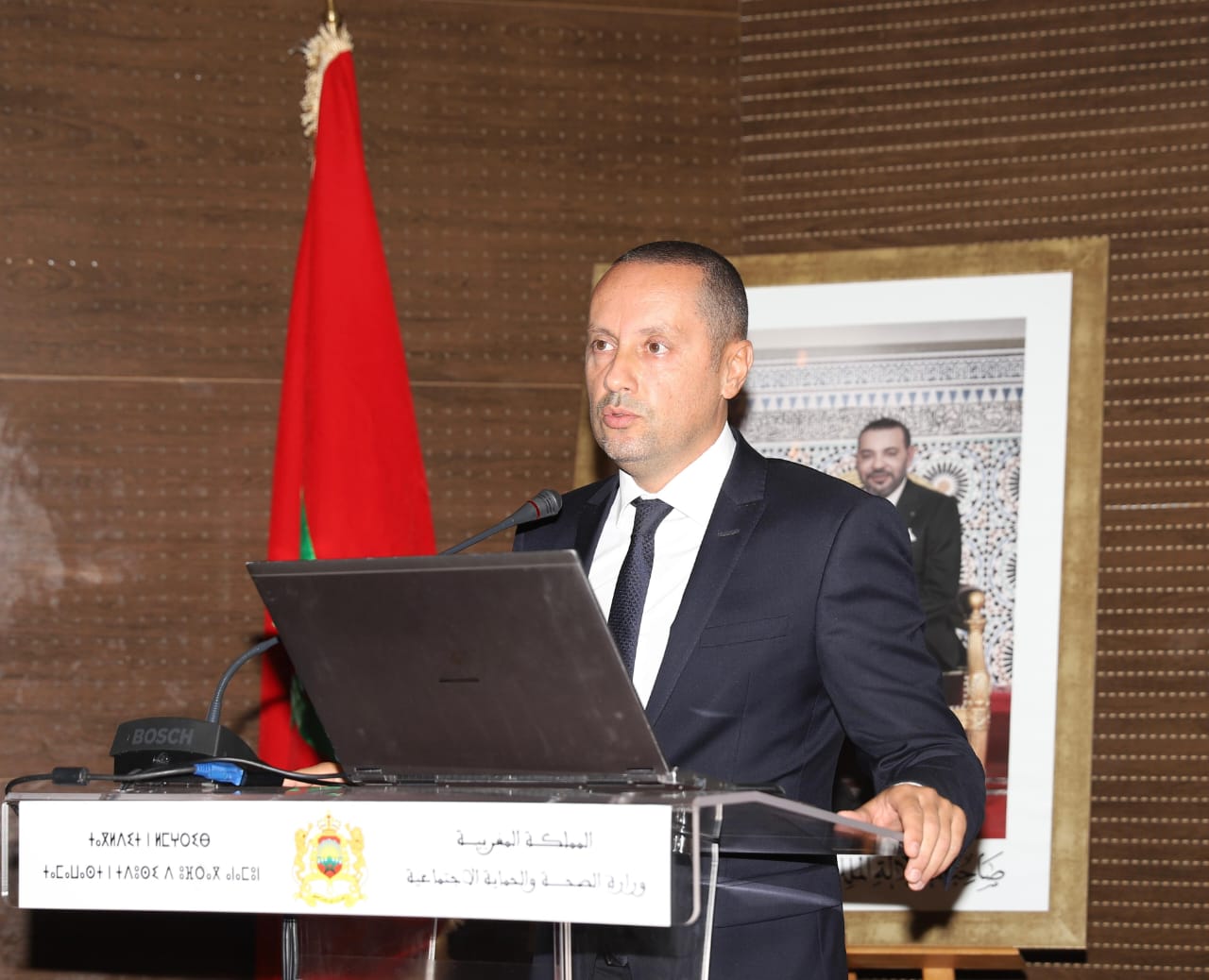
The Ministry of Health and Social Protection unveiled the “Mental Health Plan 2030” in Rabat, outlining a series of measures designed to address the country’s persistent shortage of mental health services and professionals.
According to figures presented during the launch, around 6.5 million people in Morocco are affected by mental health disorders, including nearly two million children and young people. However, an estimated 85% of those affected do not currently receive adequate care.
Expanding mental health services
The new strategy seeks to strengthen prevention and early detection while making mental health services more accessible, particularly through primary healthcare facilities and community-based services.
The plan also aims to improve the quality of treatment and expand rehabilitation and social reintegration programs, with particular attention given to children, young people and vulnerable groups.
Morocco plans to significantly increase its mental health infrastructure by 2030. The number of dedicated mental health beds is expected to rise from 2,466 to 4,728, while the number of psychiatric hospitals would increase from 10 to 17.
Intermediate mental health facilities are also expected to expand, rising from four currently to 24 by 2030.
Strengthening human resources
The strategy places a strong emphasis on developing specialized healthcare professionals.
The number of psychologists working in the public sector is expected to increase substantially, from 32 currently to 786 by 2030. Annual training capacity for psychiatrists is also expected to rise from 36 to 124 specialists.
Meanwhile, the annual number of nurses trained in mental health is expected to reach 750, compared with 490 currently.
The authorities also plan to establish a legal framework regulating the practice of psychology in Morocco.
MAD 4 billion investment
The implementation of the Mental Health Plan 2030 is expected to require an investment of around MAD 4 billion.
According to the ministry, the strategy was developed through a participatory approach involving 13 government departments, various stakeholders and the World Health Organization.
The plan is structured around three strategic pillars and four enabling conditions, comprising a total of 86 measures.
Through this strategy, Morocco aims to place mental health more firmly within the country’s overall healthcare system while shifting toward earlier intervention, stronger community-based services and more accessible care.
The challenge remains significant, particularly given the large gap between the number of people affected by mental health disorders and the number receiving appropriate treatment.