




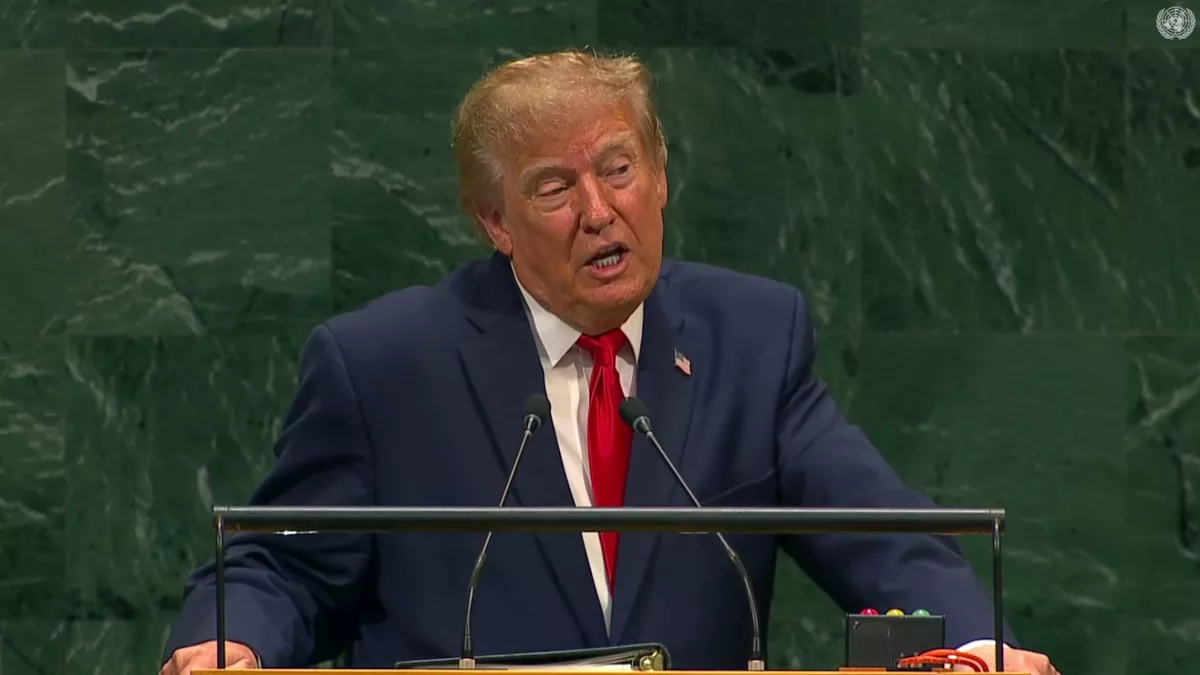

Donald Trump is pushing to officially replace the term “artificial intelligence” with “super intelligence” in U.S. government documents, arguing that the word “artificial” makes the technology sound “fake” or “not real.”
Trump states: “From now on, we’re going to officially call it ‘super intelligence.’ […] It makes it sound like it’s not real, when it absolutely is. It’s actually something tremendous.” He says he wants the rest of the world to adopt the new term, without explaining how the change will be implemented across the federal administration.
A term already loaded in AI research
In AI research, however, “superintelligence” refers to a hypothetical AI system that would surpass the best human minds in virtually every cognitive domain, far beyond today’s models. By using this label for current AI systems, Trump’s move risks blurring the line between existing technologies and a much more advanced, still theoretical category.
The push began on September 19, 2026, when Trump launched a poll on his Truth Social network asking followers to choose between “Superior Intelligence,” “Extreme Intelligence” and “Supreme Intelligence”; curiously, “Super Intelligence” was not even among the options. The same day, he announced a future “AI Force” and the appointment of a new AI adviser, without specifying budget, mandate or timeline.
Security concerns and rivalry with China
At the same time, Trump has rejected new AI control rules, arguing that growth should not be slowed, despite recent warnings from former Anthropic and OpenAI insiders about potential risks. That does not mean Washington is ignoring safety issues entirely: U.S. Treasury Secretary Scott Bessent has proposed mutual incident notifications with China in case of serious AI-related accidents, opening the door to talks on minimal safety rules even amid intense technological competition between the two powers.