
The Moroccan Investment and Export Development Agency (AMDIE) signed five memoranda of understanding with public institutions and professional organizations during a meeting held in Rabat on October 20–21, 2026, in partnership with the Organisation for Economic Co-operation and Development (OECD). The initiative reflects Morocco’s determination to integrate governance, transparency and sustainability standards more deeply into its investment attractiveness strategy.
A country’s attractiveness to investors is no longer measured solely by tax incentives, infrastructure quality or labor costs. International investors increasingly attach importance to governance standards, supply-chain traceability and compliance with social and environmental requirements. Against this backdrop, AMDIE and the OECD organized a meeting in Rabat dedicated to responsible business conduct.
The event brought together institutional officials, private-sector representatives and international partners to examine the challenges associated with sustainable competitiveness.
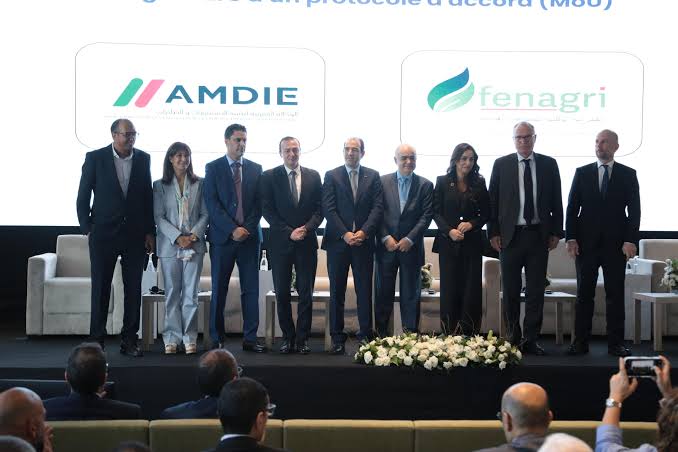
The meeting was marked by the signing of five agreements between AMDIE and several institutions and professional organizations. The partners included the National Authority for Probity, Prevention and the Fight Against Corruption; the National Agency for Strategic Management of State Holdings; the General Confederation of Moroccan Enterprises (CGEM); the Moroccan Association of Textile and Clothing Industries; and the National Federation of the Food Industry.
These agreements aim to encourage the adoption of responsible business practices across several sectors of the national economy. The initiative comes as Moroccan companies face increasingly demanding requirements from international customers and business partners.
Governance Is Becoming a Decisive Factor in Accessing International Markets
For Moroccan manufacturers, compliance with international standards has become a major factor in commercial competitiveness. The automotive, aerospace, textile and food-processing industries are particularly affected by evolving traceability and due-diligence requirements.
During the meeting, AMDIE Director General Ali Seddiki emphasized the need to improve investment quality, particularly in terms of job creation, added value and skills development. The OECD, for its part, highlighted the importance of integrating responsible business practices into corporate decision-making.
According to figures presented during the event, 69% of the world’s major listed companies have made public commitments to responsible business conduct, representing 95% of global stock market capitalization.
However, the effective implementation of these commitments remains uneven. In Morocco, small and medium-sized enterprises may face greater difficulties in meeting new requirements because of limited technical and financial resources.Institutional support should therefore prioritize mechanisms tailored to their capabilities.
The five agreements signed in Rabat could help strengthen this process, provided they lead to concrete operational programs. The challenge is to turn responsible governance into a competitive advantage rather than treating it merely as an administrative obligation. This approach could enhance Morocco’s credibility among international investors and consolidate its integration into global value chains.