




Industrialization remains one of Africa’s most powerful drivers of economic growth, job creation and structural transformation. At the conclusion of the 2026 African Economic Conference (AEC), the African Development Bank (AfDB), the United Nations Development Programme (UNDP) and the Organisation for Economic Co-operation and Development (OECD) reaffirmed their commitment to supporting Africa’s industrial development through increased investment, stronger regional value chains and enhanced economic resilience.
The renewed commitment comes at a time when Africa’s population has reached approximately 1.55 billion people, representing nearly 18% of the world’s population, and is projected to grow to 2.5 billion by 2050. Every year, more than 20 million young Africans enter the labor market, while current economic growth generates only a fraction of the jobs required. According to development institutions, industrialization is the only sustainable path capable of creating sufficient employment opportunities while reducing poverty and inequality.
The African Development Bank estimates that Africa possesses nearly 30% of the world’s critical mineral reserves, 40% of global gold reserves, and approximately 90% of global platinum and chromium reserves, in addition to significant deposits of cobalt, lithium, graphite, manganese and rare earth minerals that are essential for the global energy transition. However, more than 80% of these resources are still exported in raw form, limiting the continent’s industrial value creation.
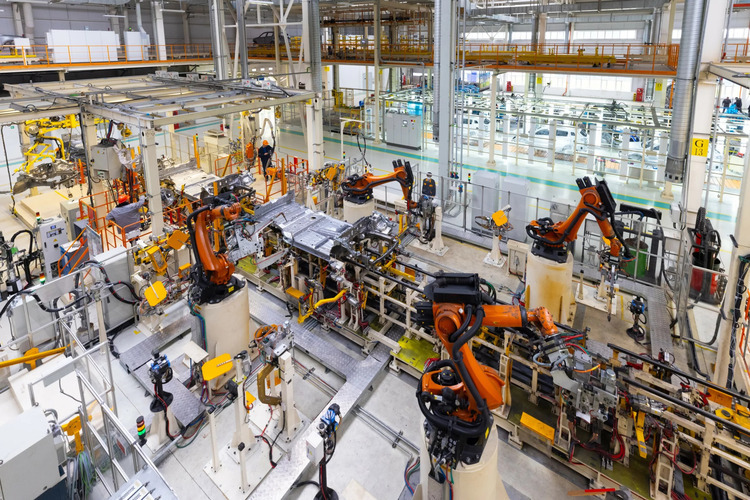
Conference participants therefore called for the accelerated development of local processing industries in mining, agriculture, pharmaceuticals, automotive manufacturing, textiles, chemicals and renewable energy. Today, manufacturing accounts for less than 11% of Africa’s GDP, compared with more than 25% in many emerging Asian economies. Expanding industrial production would significantly reduce dependence on imported manufactured goods while creating higher-value exports.
The AfDB continues implementing its High 5 development priorities—Industrialize Africa, Light Up and Power Africa, Feed Africa, Integrate Africa and Improve the Quality of Life for the People of Africa—through billions of dollars invested in industrial parks, special economic zones, transport corridors, power infrastructure and agro-processing projects.
UNDP focuses on human capital development, digital transformation, innovation and SME competitiveness, while the OECD emphasizes improvements in governance, business climate, infrastructure quality and regional integration, particularly through the African Continental Free Trade Area (AfCFTA), which brings together 54 countries, a market of approximately 1.4 billion consumers and a combined GDP exceeding US$3.4 trillion.
The institutions also stressed the urgent need to close Africa’s infrastructure financing gap. According to the AfDB, the continent requires between US$130 billion and US$170 billion annually for infrastructure investment, while the financing gap is estimated at US$68 billion to US$108 billion each year. Energy, transport, logistics and digital infrastructure remain essential prerequisites for building globally competitive industries.
The conclusions of the 2026 African Economic Conference reinforce a growing consensus: the coming decade will determine whether Africa evolves from a major exporter of raw materials into a competitive industrial powerhouse capable of transforming its natural resources, creating millions of skilled jobs and strengthening its economic sovereignty.