




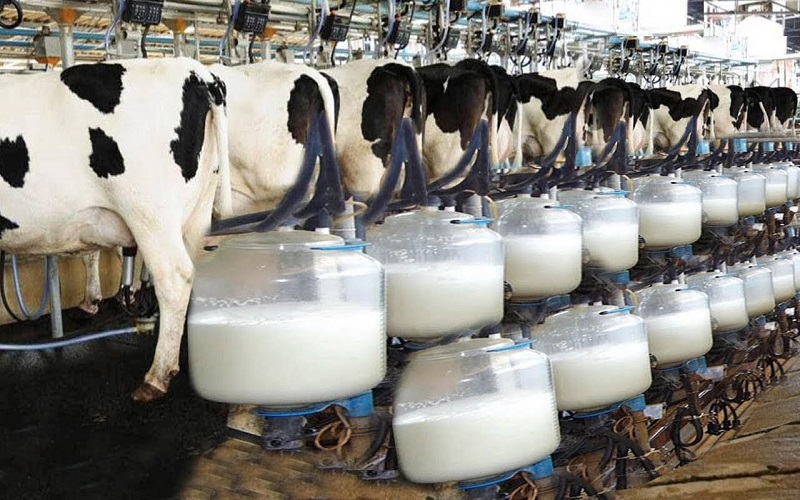

The Manufacturers Association of Nigeria (MAN) has raised concerns over the country’s heavy reliance on imported dairy products. According to the association, Nigeria spends around $1.5 billion annually importing powdered milk, butter, cheese, condensed milk, and other dairy products. This import bill places significant pressure on the country’s foreign exchange reserves and hampers the development of its domestic agro-processing industry.
Local Production Falls Short
With a population of more than 240 million people, Nigeria consumes approximately 1.6 million tonnes of milk each year, while domestic production reaches only 700,000 tonnes. This shortfall of nearly 900,000 tonnes forces the country to import around 60% of its dairy needs. Yet Nigeria has a cattle herd of more than 20.9 million head, whose low productivity remains the main obstacle to achieving self-sufficiency in milk production.
A Major Industrial Opportunity
For manufacturers, this dependence represents both a challenge and a major opportunity. Developing the dairy value chain could create thousands of jobs in livestock farming, milk collection, processing, packaging, and distribution. MAN is calling on the government to accelerate investments in cattle genetic improvement, modern dairy farms, milk collection and cold-chain infrastructure, as well as local processing facilities.
Towards Greater Food Sovereignty
The Nigerian government aims to double domestic milk production over the coming years in order to gradually reduce imports. According to industry leaders, every dollar invested in the dairy sector will strengthen food sovereignty, preserve foreign exchange reserves, and support the growth of a competitive domestic agro-processing industry. With Nigeria’s population expected to approach 400 million by 2050, developing the dairy sector has become a strategic priority for ensuring food security and sustaining long-term economic growth.