




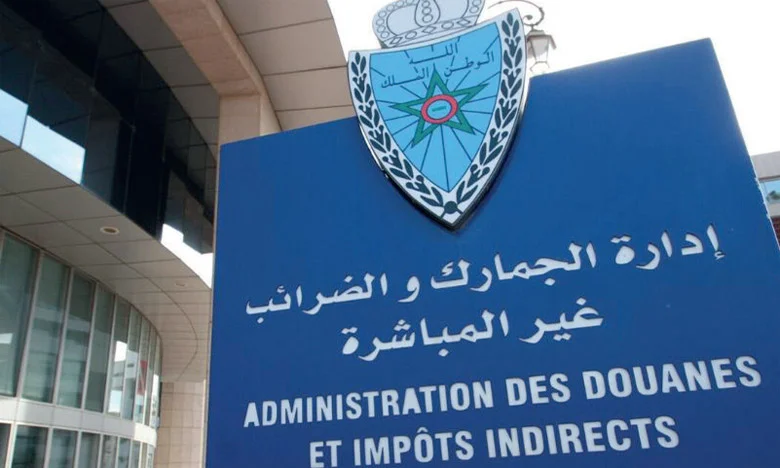

Morocco’s customs revenue reached MAD 69.69 billion at the end of August 2026, up 7.1% year on year, according to data from the Kingdom’s Treasury General (TGR).
The increase was driven by the strong performance of the main components of customs taxation, particularly import duties, import VAT and the domestic consumption tax (TIC) on energy products. Import duties generated MAD 11.78 billion during the first eight months of the year, representing an 8.8% increase compared with the same period in 2025.
This performance confirms the continued contribution of customs duties to Morocco’s public revenues. Import VAT remained the largest component of customs-related revenue. It reached MAD 43.32 billion by the end of August, up 6.9% year on year.
The performance of import VAT reflects the continued importance of foreign trade operations in the structure of Morocco’s tax revenues. Meanwhile, the domestic consumption tax on energy products generated MAD 14.57 billion during the same period. This revenue increased by 6.6% compared with a year earlier. The trend in this category remains closely linked to energy imports and developments in international commodity markets.
Overall, gross customs tax revenue, before refunds, rebates and tax relief, amounted to MAD 82.7 billion at the end of August. This represents an increase of around 7% year on year. The continued growth in customs revenue highlights the strategic role of the customs administration in mobilizing resources for Morocco’s public budget.
It also underscores the importance of international trade flows to the country’s public finances. The increase recorded during the first eight months of 2026 comes against a backdrop of evolving import volumes and tax revenues generated by foreign trade operations. Import VAT accounted for the largest share of customs-related revenue, with more than MAD 43 billion collected.
It was followed by the domestic consumption tax on energy products and import duties. This revenue structure highlights the importance of indirect taxation linked to international trade. For the Moroccan government, customs revenue is also an important indicator of economic activity and the evolution of the country’s external trade.
The TGR figures therefore point to a positive trajectory for customs revenue during the first eight months of 2026. With MAD 69.69 billion collected, customs revenue maintained a growth rate above 7%. This performance strengthens the contribution of customs administration to budget revenues while reflecting the continued dynamism of Morocco’s economy and international trade.