The commemoration of the 51st anniversary of the Glorious Green March is taking place amid strong mobilization to consolidate Morocco’s sovereignty over the Sahara, on the basis of the Autonomy Initiative, the High Commission for Former Resistance Fighters and Former Members of the Liberation Army (HCAR) said.
The anniversary provides an opportunity to recall the key stages of this peaceful popular march, which marked the process of recovering the Moroccan Sahara and strengthened the attachment of its inhabitants to their national identity and the Kingdom’s fundamental values, within the framework of the historical allegiance ties between the Saharan populations and the Kings of the Alaouite Dynasty, the High Commission said in a statement.
As Morocco celebrates the first anniversary of Unity Day, amid national consensus around the country’s fundamental principles, the Resistance and Liberation Army community joins the Moroccan people, from Tangier to Lagouira, in commemorating, on Friday, one of the most significant milestones in the completion of national independence and the recovery of the Kingdom’s territorial integrity.
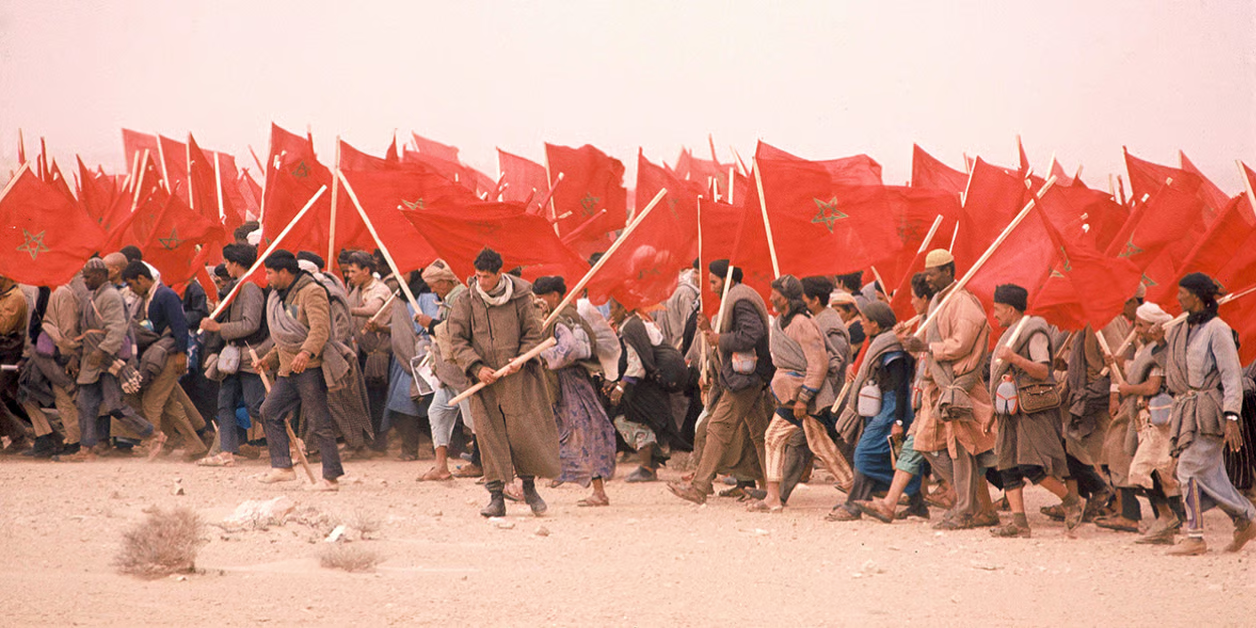
The High Commission recalled that the Green March, launched in 1975 under the leadership of the late King Hassan II, brought together hundreds of thousands of volunteers from different social backgrounds, alongside delegations from several brotherly and friendly countries.
On November 6, 1975, thousands of volunteers set out in an orderly and disciplined manner towards the provinces of the Moroccan Sahara as part of a peaceful and civilizational initiative aimed at ending Spanish colonial presence.
This historic mobilization demonstrated the Moroccan people’s determination to recover their rights and defend their national unity, reflecting remarkable popular cohesion, the same source noted.
The Green March helped overcome artificial divisions between the components of one nation, bringing together the values of peace, justice and the defense of national territory. It also demonstrated the convergence between Royal leadership and popular mobilization in pursuing the completion of national independence and territorial unity.
The statement also highlights the sacrifices made by Morocco in confronting foreign occupation, which had divided the national territory into several areas under French and Spanish control, as well as international administration.
This territorial fragmentation made the process of national liberation particularly challenging, requiring sustained and multifaceted efforts by the Throne and the Moroccan people.
The return from exile of the late King Mohammed V and the Royal Family on November 16, 1955, marked a decisive milestone in this struggle, paving the way for a new phase devoted to building an independent, sovereign and prosperous Morocco.
The end of the protectorate marked the beginning of a major economic and social development drive, one of whose main priorities was the recovery of the remaining territories under foreign occupation.
In this context, the Liberation Army launched operations in the southern provinces in 1956 to complete national independence. This process continued under the reign of the late King Mohammed V, with the recovery of Tarfaya on April 15, 1958, followed by the recovery of Sidi Ifni on June 30, 1969, under the reign of the late King Hassan II.
The Green March of November 6, 1975, represented a major milestone in this process. It was followed by the raising of the Moroccan flag in Laayoune on February 28, 1976, and the recovery of the province of Oued Eddahab on August 14, 1979, the statement recalled.
On the occasion of the 51st anniversary of the Green March and the 71st anniversary of Morocco’s independence, the Resistance and Liberation Army community also welcomed the contents of the Royal Cabinet statement issued following the meeting of the United Nations Security Council.
According to the High Commission, this development represents a major political and diplomatic turning point in the process of consolidating the Kingdom’s territorial integrity, marking a new approach based on transforming the parameters that have shaped the handling of the Moroccan Sahara issue over the past 35 years.
This new momentum offers an opportunity to broaden and strengthen the unprecedented diplomatic dynamic led by His Majesty King Mohammed VI in support of the Kingdom’s territorial integrity, the same source added.
The High Commission also highlighted the development projects and major infrastructure initiatives underway in the southern provinces, particularly in transport, connectivity, infrastructure and economic and social development. These projects contribute to improving living conditions and strengthening the attractiveness of these provinces as promising destinations for investment, development and African and international outreach.
The HCAR reaffirmed its unwavering support for His Majesty King Mohammed VI and its continued mobilization alongside all components of the Moroccan people in defense of the Kingdom’s territorial integrity in international forums.
It also reiterated its commitment to a political solution based on the Moroccan Autonomy Initiative as the basis for resolving the Moroccan Sahara issue.
As part of the anniversary celebrations, the High Commission will organize a gathering and a symposium on Friday at the National Space for the Historical Memory of the Resistance and Liberation in Rabat, dedicated to this historic event and its lessons.
The meeting will also provide an opportunity to pay tribute to several former resistance fighters and members of the Liberation Army in recognition of their sacrifices and contributions to defending the country’s national values and fundamental principles.
Educational, cultural and awareness-raising activities focusing on national historical memory will also be organized across the Kingdom’s various regions and provinces under the supervision of the High Commission’s regional and provincial delegations.