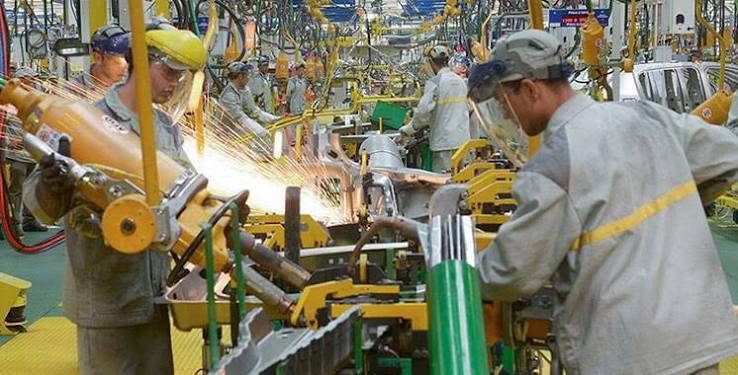
Morocco’s industrial sector maintained relative stability during the third quarter of 2026, despite persistent structural constraints and economic challenges. According to Bank Al-Maghrib’s business survey, published on Wednesday, November 4, 69% of industrial operators described the overall business climate as normal, while 22% considered it unfavorable. These indicators highlight the resilience of Morocco’s manufacturing sector while underscoring the challenges that businesses must overcome to strengthen their competitiveness.
Morocco’s industrial sector continues to evolve in an economic environment characterized by the transformation of global value chains, increasing competitive pressures, and the need to accelerate productive investment. The latest figures from Bank Al-Maghrib indicate that most surveyed industrial executives perceive business conditions as relatively stable.
This assessment represents an encouraging signal for a sector expected to play a decisive role in the structural transformation of the national economy. However, the fact that more than one in five manufacturers still considers the business environment unfavorable demonstrates that significant challenges remain.
Among the main obstacles are access to financing, production costs, the availability of skilled labor, and companies’ ability to adapt to increasingly demanding international markets.
For industrial operators, economic stability is a fundamental factor in investment decisions, particularly for projects requiring heavy machinery, specialized infrastructure, and long-term financial commitments.
Diversifying the national industrial base also represents a strategic driver of economic growth. The automotive, aerospace, food processing, chemical, and electrical industries are contributing to the expansion of Morocco’s manufacturing capabilities and strengthening its presence in international markets.
Nevertheless, consolidating this momentum requires greater integration of small and medium-sized enterprises into industrial supply chains, alongside more effective support mechanisms for regional investment projects.
The availability of industrial land, modernization of logistics infrastructure, and mobilization of appropriate financing instruments remain essential conditions for improving regional attractiveness and attracting new investment.
For Morocco, the challenge now extends beyond maintaining industrial stability. It involves transforming this resilience into stronger investment growth, increased manufacturing output, and the creation of skilled employment opportunities.