



Morocco is accelerating the development of its domestic defense industry through two industrial platforms covering a combined area of 675 hectares in Nouaceur and Sidi Yahya, near Kenitra. Presented during the DEFSEC Morocco forum, held in Rabat on November 2–3, these projects reflect the Kingdom’s determination to establish national manufacturing capabilities, encourage technology transfer, and gradually reduce dependence on imported defense equipment. Seven industrial land agreements have already been signed with Moroccan and international operators.
Morocco is entering a new phase in its industrial sovereignty strategy by laying the foundations for a domestic ecosystem specializing in defense technologies and equipment. This initiative involves establishing industrial zones designed to meet the technical, regulatory, and security requirements of the defense sector.
The Defense Industrial Zones Management Company (SGZID) has outlined the main characteristics of the two platforms intended to accommodate future investments.
The first platform, located in Nouaceur in the Casablanca-Settat region, will cover 75 hectares. It is expected to accommodate advanced technological activities, including electronics, surveillance systems, precision equipment, and the integration of specialized technologies.
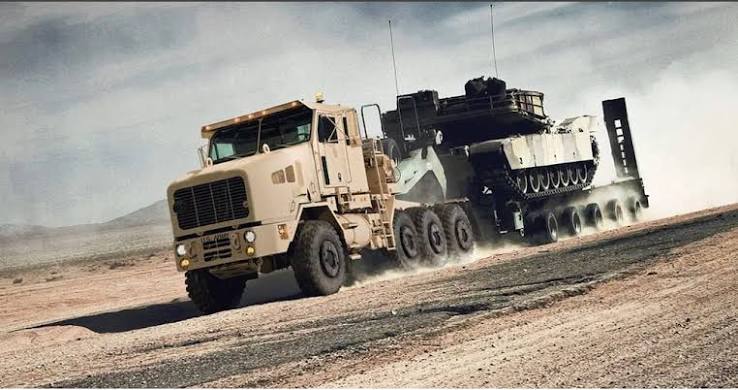
The second platform, located in Sidi Yahya near Kenitra, will extend over 600 hectares. It is intended for larger-scale industrial activities, including equipment assembly and certain manufacturing operations subject to specific regulatory authorizations.
Together, these two facilities represent the initial foundations of a strategy designed to attract major international industrial groups while encouraging the emergence of specialized Moroccan companies.
During the Marrakech Air Show in October 2026, seven industrial land agreements were signed with several operators, including Arquus, MKU, Inkas, Marcotec, Aba Technologie, IGG/Bal Teq Defense Industries, and Harmattan AI.
These agreements reflect growing investor interest in Morocco’s industrial potential. However, their implementation will depend on final investment decisions, the construction of production facilities, and the effective launch of manufacturing operations.
The economic significance of these projects extends beyond producing equipment for domestic requirements. Their development could also stimulate industrial subcontracting, engineering services, specialized maintenance, and technological innovation.
Morocco could capitalize on the industrial expertise accumulated in its automotive and aerospace sectors, which already benefit from established manufacturing ecosystems and networks of specialized suppliers.
Training engineers, technicians, and skilled workers will be another decisive factor in the success of this strategy, alongside technology transfer and the integration of Moroccan businesses into emerging industrial value chains.
These projects could also help attract foreign direct investment, diversify the national manufacturing base, and develop higher-value industrial activities.
Nevertheless, the long-term success of this initiative will depend on the Kingdom’s ability to transform industrial land agreements into operational factories, establish a competitive domestic supplier network, and secure effective transfers of technology and industrial expertise.
With 675 hectares allocated and seven industrial agreements signed, Morocco is laying the foundations for a new strategic manufacturing sector. The next challenge will be to move from commitments to actual production, transforming the defense industry into an additional driver of economic diversification, innovation, and industrial sovereignty.