




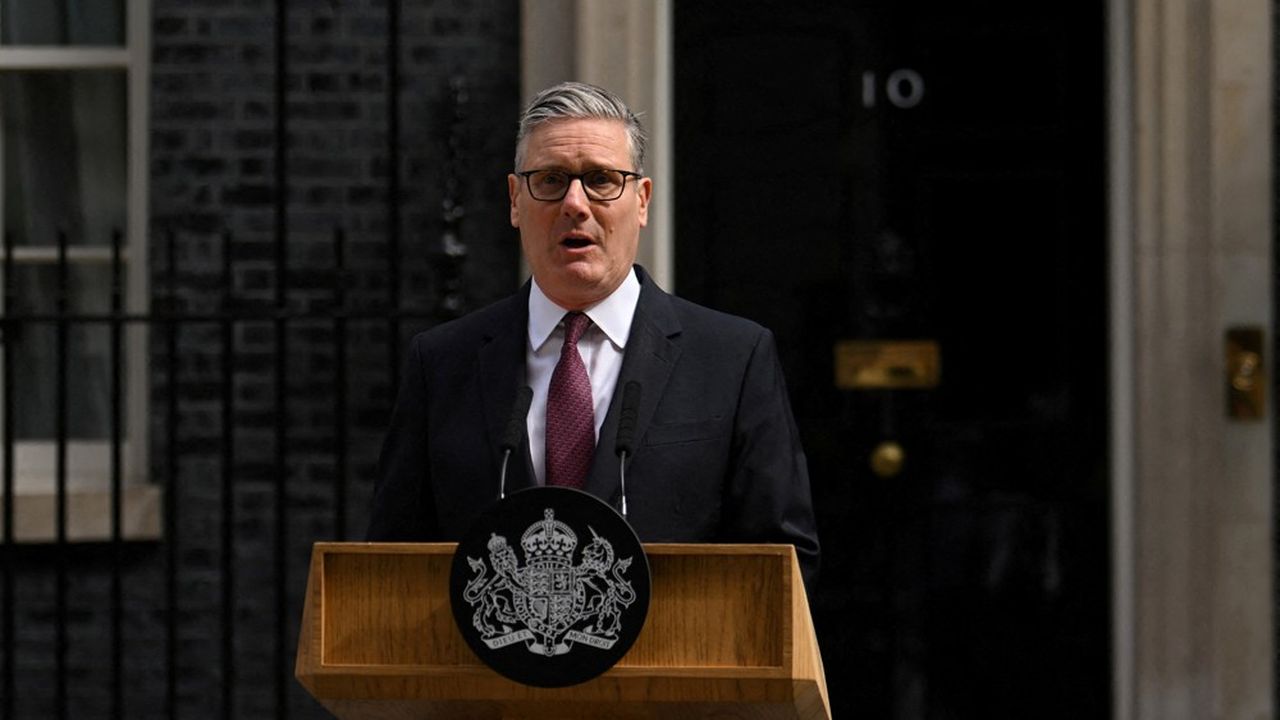

The British Prime Minister has announced his resignation as Labour Party leader, paving the way for a new head of government amid mounting political pressure and growing challenges within his party.
British Prime Minister Keir Starmer announced on Monday that he is stepping down as leader of the Labour Party, becoming the sixth UK prime minister to leave office in less than a decade.
Speaking outside 10 Downing Street, Starmer said he had informed Charles III of his decision and confirmed that he would remain in office until a new Labour leader is elected and assumes the role of prime minister.
The outgoing premier said he had asked the Labour Party’s National Executive Committee to establish a timetable for the leadership contest. Nominations for the party leadership are expected to open on July 9.
According to Starmer, the schedule will allow Labour members to elect a new leader before Parliament returns in September, ensuring an orderly transition at the helm of both the party and the government.
His resignation marks another chapter in the political instability that has characterized British politics since the 2016 Brexit referendum. Since the departure of David Cameron following the vote to leave the European Union, several prime ministers have cycled through Downing Street.
After Cameron, the country was led successively by Theresa May, Boris Johnson, Liz Truss, Rishi Sunak and Keir Starmer.
Starmer came to power following Labour’s landslide victory in the July 2024 general election. However, his authority gradually weakened amid a series of controversies and declining public support for the party.
In recent weeks, several Labour lawmakers argued that a change in leadership had become necessary to avoid electoral setbacks, particularly as Nigel Farage and Reform UK continue to gain momentum in opinion polls.
The race to succeed Starmer is now officially underway. Among the names frequently mentioned is Andy Burnham, who is considered by many observers to be one of the leading contenders for the Labour leadership.
The winner of the leadership contest will automatically become prime minister, as Labour retains its majority in the House of Commons.