
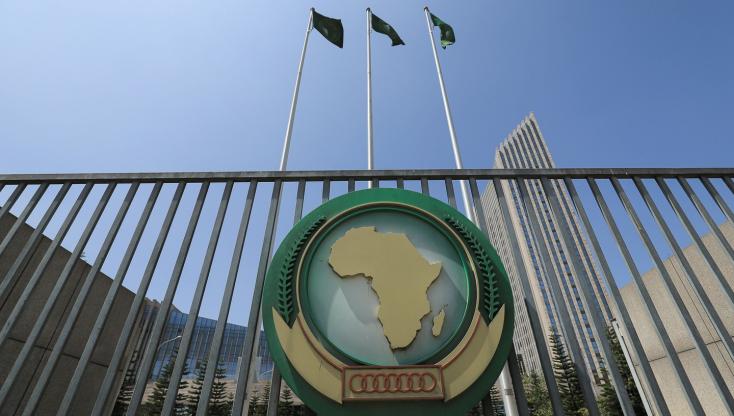

Morocco has further consolidated its position within the institutional architecture of the African Union (AU) following regional consultations held for North Africa, securing several high-level responsibilities across strategic organs of the continental organization.
These new assignments confirm Morocco’s growing role within the AU’s governance framework and highlight its sustained commitment to the Union’s strategic priorities, including institutional reform, governance, financing mechanisms, economic integration, and the management of major continental challenges.
With a total of nine senior positions allocated at the regional level, Morocco ranks first within North Africa in terms of leadership responsibilities within AU structures.
In this context, the Kingdom will assume the Vice-Presidency of the Ministerial Committee in charge of African candidatures within the international system. It will also hold the Vice-Presidency of the Bureau responsible for assessed contributions and the evaluation of member states’ quotas, a key mechanism in the financing of the organization.
Morocco will also take part in several Technical Specialized Committees, including those on Justice and Legal Affairs, as well as on Economic Development, Tourism, Trade, Industry, and Mineral Resources—core bodies involved in shaping continental policies.
Within the Permanent Representatives Committee (PRC) sub-structures, Morocco will serve as Vice-President of the Sub-Committee on Institutional Reforms and will chair the Sub-Committee on Environmental Issues. It will also remain a member of the Sub-Committee on Human Rights, Democracy, and Governance.
Furthermore, the Kingdom has been appointed to the Board of Directors of the Continental Migration Centre, while Moroccan experts will actively contribute to its work. This appointment reflects recognition of Morocco’s leadership in migration governance and its African vision, promoted under King Mohammed VI, based on solidarity, shared responsibility, and a human-centered approach.
Through these nine positions, Morocco reinforces its institutional footprint within the African Union and confirms its growing role as a key actor in continental governance.