




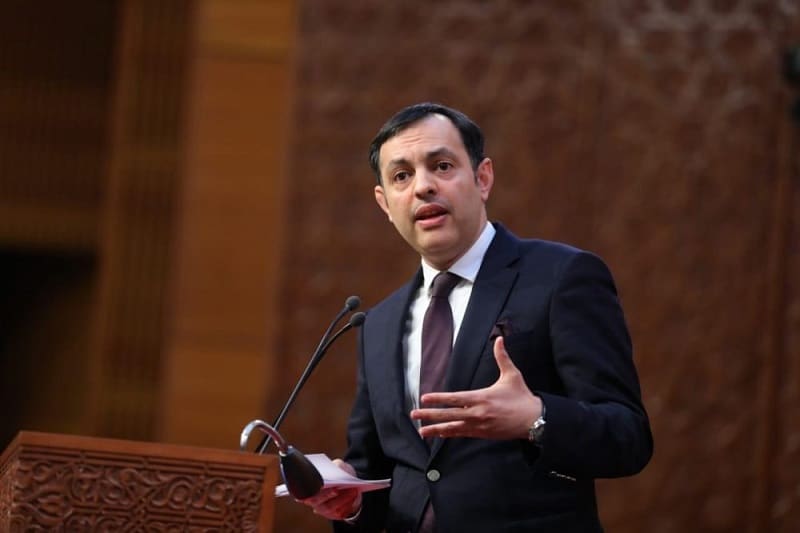

Morocco has made significant progress in combating child labor, reinforcing its position as an international reference in this field. Speaking before the House of Representatives in Rabat, Minister of Economic Inclusion, Small Business, Employment and Skills Younes Sekkouri highlighted the achievements made by the Kingdom in recent years.
According to the minister, child labor has declined by 59% since 2017, bringing the rate to below 1.3%. He attributed these results to the policies implemented under the leadership of His Majesty King Mohammed VI and the efforts of the National Observatory for Children’s Rights (ONDE), chaired by Her Royal Highness Princess Lalla Meryem.
Mr. Sekkouri noted that around 100,000 children are still engaged in economic activities, mainly in rural areas where they contribute to supporting their families. In urban areas, the number of working children is estimated at between 20,000 and 23,000. Despite the progress achieved, he stressed the need to continue mobilizing efforts to eliminate the phenomenon completely.
The minister also recalled that Morocco hosted the Sixth Global Conference on the Elimination of Child Labour, an event that highlighted the country’s leadership on the international stage. The conference resulted in the adoption of the Marrakech Framework, now considered a global reference for policies aimed at eradicating child labor.
He explained that many of the measures included in the framework draw inspiration from Morocco’s experience, particularly in labor inspection, legislation, the withdrawal of children from the labor market, and the ratification of international conventions.
Morocco’s approach also includes the expansion of preschool education, stronger social inclusion initiatives, and targeted training programs. Among them is the “Tadaroj” program, which helps young people aged 15 to 17 who have dropped out of school re-enter qualification pathways and gain access to vocational training opportunities.