




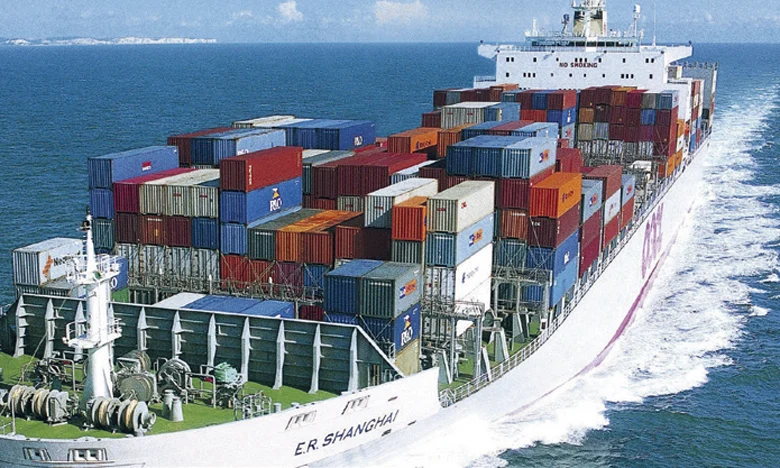

Maritime freight for a 30,000-tonne grain shipment from the U.S. Gulf of Mexico to Morocco has risen to $45.75 per tonne from $43.50 a week earlier, adding $67,500 to the logistics bill for a single cargo.
Morocco is preparing to resume soft-wheat imports under renewed pressure on logistics costs. The increase of $2.25 per tonne represents a rise of about 5.2% and translates into an additional $67,500 for a 30,000-tonne shipment.
The development comes ahead of the official resumption of soft-wheat imports on September 16, 2026. The National Interprofessional Office for Cereals and Legumes (ONICL) has introduced a support mechanism covering cargoes loaded between September 16 and December 31.
The decision follows a temporary suspension of imports intended to support the marketing of domestic production. Although the 2026 cereal harvest is estimated at around 90 million quintals, or nearly 9 million tonnes, actual soft-wheat collection has remained below expectations.
Industry professionals estimate that only around 6 million quintals of soft wheat were collected, compared with initial targets of 15–20 million quintals. Moroccan industrial mills require approximately 400,000 tonnes of soft wheat per month.
Between January and May 2026, Morocco had already imported about 2.3 million tonnes of soft wheat. During the first four months of the year, total imports of cereals and cereal products reached 5.48 million tonnes, up 16% year on year. Cereals alone accounted for 4.27 million tonnes, while soft-wheat imports rose 17% to 1.99 million tonnes and maize purchases jumped 31% to 1.32 million tonnes.
France accounted for 26% of Morocco’s main cereal imports at the end of August 2025, followed by Canada at 14% and the United States at 12%. France remained the leading supplier of soft wheat, with about 64% of imported volumes.
Freight costs are therefore becoming an increasingly important component of Morocco’s grain import bill. Beyond the international price of wheat, importers must absorb shipping, insurance, port, handling, storage and currency costs.
A $2.25-per-tonne increase may appear limited, but its impact becomes substantial when applied to multiple cargoes of tens of thousands of tonnes. For a 30,000-tonne vessel, the additional freight alone reaches $67,500.
The ONICL support mechanism is based on a reference price of MAD 270 per quintal and aims to compensate for the gap between the reference price and the actual import cost.
Ports are also critical to food security. During the 2025/2026 campaign through April 30, Casablanca handled around 7.80 million tonnes of imported cereals and derivatives, ahead of Jorf Lasfar with 2.99 million tonnes and Agadir with 1.26 million tonnes.
As imports resume from September 16, Morocco will need to secure supplies while controlling freight, storage and port costs. The competitiveness of grain procurement will depend not only on global wheat prices, but also on the efficiency of the entire logistics chain connecting major export regions with Moroccan ports.